




When we think of a banana, a sweet, yellow fruit comes to mind. But in Indian kitchens, its green, unripe form is a culinary star. Firm and starchy, the raw banana is treated as a vegetable, holding secrets to health and flavour totally its own.
The Great Nutritional Divide
The primary
difference between a green and a yellow banana lies in their carbohydrate composition. A green banana is packed with resistant starch, which, as the name suggests, resists digestion in the small intestine. Instead, it travels to the large intestine where it acts as a prebiotic, feeding the friendly bacteria in your gut. This process has several benefits, including better blood sugar control, increased feelings of fullness, and improved digestive health. As a banana ripens, these complex starches convert into simple sugars like sucrose, glucose, and fructose, which is why a yellow banana is soft, sweet, and provides a quick source of energy. While a ripe banana is easier to digest for most, its higher sugar content gives it a higher glycemic index (GI) compared to its green counterpart.
A Tale of Two Tastes
The nutritional differences directly influence taste and texture. Raw bananas are firm, starchy, and have a neutral, slightly bitter taste, much like a potato. This makes them an excellent canvas for spices and a versatile ingredient in cooking. Their firm texture holds up well to heat, allowing them to be fried, boiled, steamed, or roasted without turning to mush. In stark contrast, ripe bananas are soft, sweet, and have a distinct fruity aroma. Their mushy texture makes them ideal for desserts, smoothies, and baked goods, but less suitable for savoury dishes where a firm bite is desired. Peeling a green banana can be a bit of a task, while a ripe banana's peel comes off with ease, signalling its readiness for sweet applications.
The Unripe Star of Indian Curries
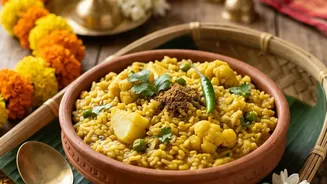
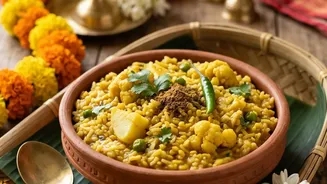
In India, the raw banana, known as 'kaccha kela' in Hindi or 'vazhakkai' in Tamil, is treated as a vegetable and is a hero in many savoury preparations. Its ability to absorb flavours makes it a perfect addition to spicy and tangy dishes. In South India, Vazhakkai Poriyal, a simple stir-fry with mustard seeds, curry leaves, and coconut, is a common side dish served with sambar or rasam rice. Another popular preparation is Aratikaya Vepudu, a spicy and crispy fry from Andhra Pradesh. Raw bananas are also used to make koftas (dumplings) that are simmered in a creamy tomato-onion gravy, or as a starchy component in tikkis and cutlets, often as a substitute for potatoes. These dishes showcase the banana in a completely different light, a world away from the sweet fruit snack.
Digestive Health and Considerations
While the resistant starch in green bananas is a boon for gut health, it can cause digestive discomfort for some. The fermentation process in the colon might lead to gas and bloating, especially for those not accustomed to a high-fibre diet. Ripe bananas, with their simpler sugars and lower resistant starch, are generally considered gentler on the stomach and easier to digest. People with certain digestive sensitivities might find ripe bananas more agreeable. However, for most, introducing green bananas gradually allows the gut microbiome to adapt, unlocking their prebiotic benefits without the discomfort. Both versions contain important nutrients like potassium, vitamin B6, and vitamin C, so the choice often comes down to the intended culinary use and individual digestive tolerance.