





Understanding 'Processed' vs. 'Ultra-Processed'
Before we start, let's clarify what 'processed' means. Most foods are processed in some way, like pasteurised milk or canned beans. These are often called minimally processed foods. The real concern lies with 'ultra-processed foods' (UPFs). These are industrial
formulations with long ingredient lists of things you wouldn't find in a home kitchen—emulsifiers, artificial colours, and flavour enhancers. In India, common examples include instant noodles, packaged biscuits and namkeen, sugary breakfast cereals, and soft drinks. These foods are designed to be intensely appealing but offer little nutritional value, often being high in sugar, unhealthy fats, and salt. They are linked to increased risks of chronic conditions like diabetes and heart disease.
Why Just One Meal Makes a Difference
The idea of overhauling your entire diet overnight is daunting and often leads to failure. By focusing on just one meal, you make the change manageable and sustainable. This approach builds confidence and creates a positive ripple effect. When you start your day with a nourishing, whole-food breakfast, you often experience more stable energy levels and fewer cravings later in the day. This is because whole foods are typically richer in fibre and protein, which help you feel full and satisfied for longer. This small, consistent win can motivate you to make healthier choices for your other meals without feeling pressured. It's about progress, not perfection.
Reinvent Your Breakfast: Simple Swaps
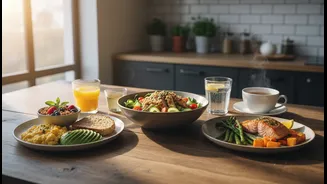
Breakfast is one of the easiest places to start cutting down on ultra-processed items. Many common breakfast choices, from sugary cereals to white bread with jam, fall into the UPF category. But countless wholesome and quick Indian breakfast options exist. Consider these simple swaps: Instead of packaged breakfast cereal, try a bowl of poha, which is made from flattened rice and can be cooked quickly with vegetables. Swap white bread toast for besan chilla (a savoury pancake made from gram flour) or moong dal chilla, which are packed with protein. Instead of a sugary fruit juice, blend a whole-fruit smoothie with some yogurt to retain the fibre. If you're short on time, classic options like idli (if the batter is ready) or a simple bowl of oats or ragi malt are far better than a processed snack bar.
Taking It Beyond Breakfast
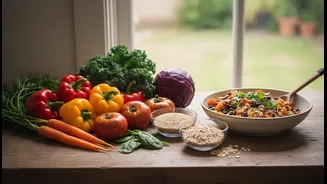
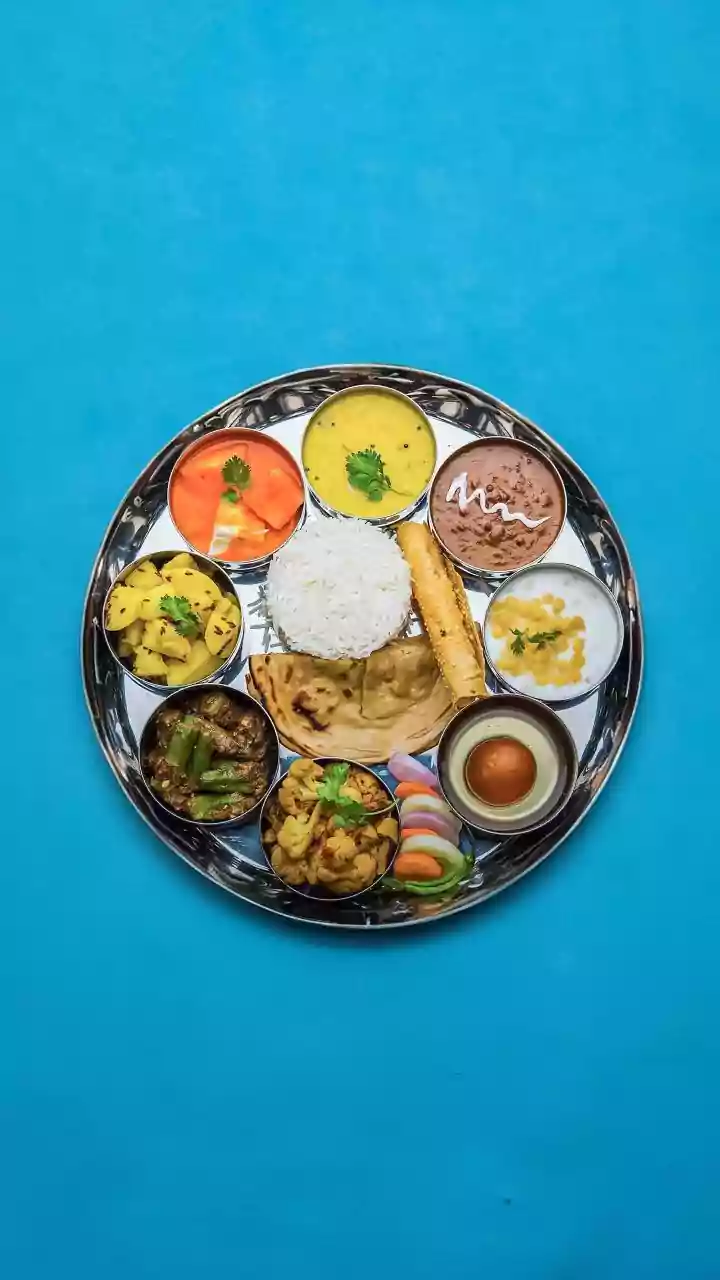
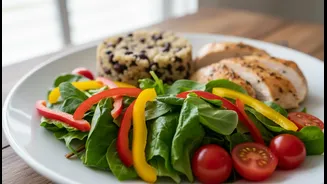
Once you feel comfortable with your new breakfast routine, you can apply the same principle to another meal, like lunch. Packing a lunch for work is a powerful way to control ingredients and avoid the temptation of convenient but often unhealthy takeaway food. Leftovers from a home-cooked dinner are a perfect option. A simple rule is to build your meal around whole foods: a source of lean protein (like beans, lentils, or paneer), plenty of vegetables, and a whole grain (like brown rice or whole-wheat roti). A homemade vegetable pulao, a whole-wheat wrap with filling, or a hearty dal with brown rice are excellent choices that are both delicious and minimally processed.
Become a Savvy Shopper
A key skill for eating less processed food is learning to read labels. A simple rule of thumb is to look for short ingredient lists with recognisable items. If you can't pronounce an ingredient, or if it's something you wouldn't use in your own kitchen, it's likely a marker of an ultra-processed product. Try to spend more time shopping on the perimeter of the grocery store, where fresh produce, dairy, and meats are typically located. The centre aisles are often where the most heavily processed, packaged goods reside. By being mindful while shopping, you set yourself up for success at home.