





The Age of the Impersonal Show Home
For the past decade, a specific aesthetic dominated aspirational urban living in India. Influenced by global design magazines and social media, the 'show home' look became the standard. This involved stark white or grey walls, glossy surfaces, and sharp,
clean lines. The goal was a modern, uncluttered look that photographed well and signalled a certain upward mobility. Real estate developers and homeowners alike defaulted to this palette, treating it as a safe, neutral choice. However, this brand of minimalism, often imported from Scandinavian or Northern European contexts, was never truly designed for the Indian way of life, our climate, or our intense natural light, which can make grey tones appear flat and clinical.
Enter 'Warm Minimalism': The New Cosy
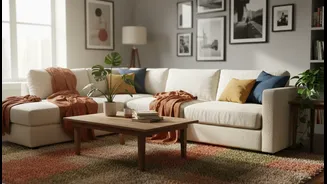
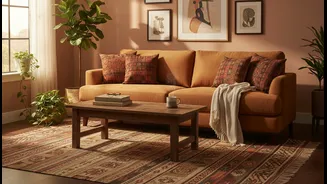
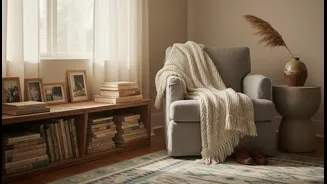
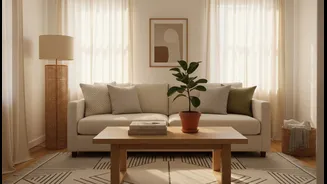
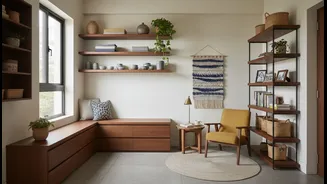
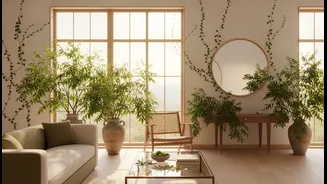
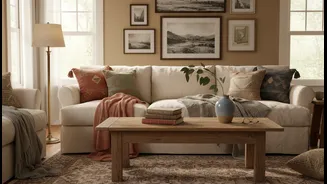
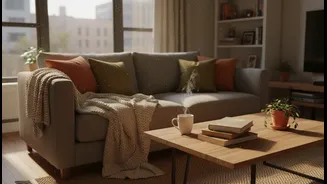
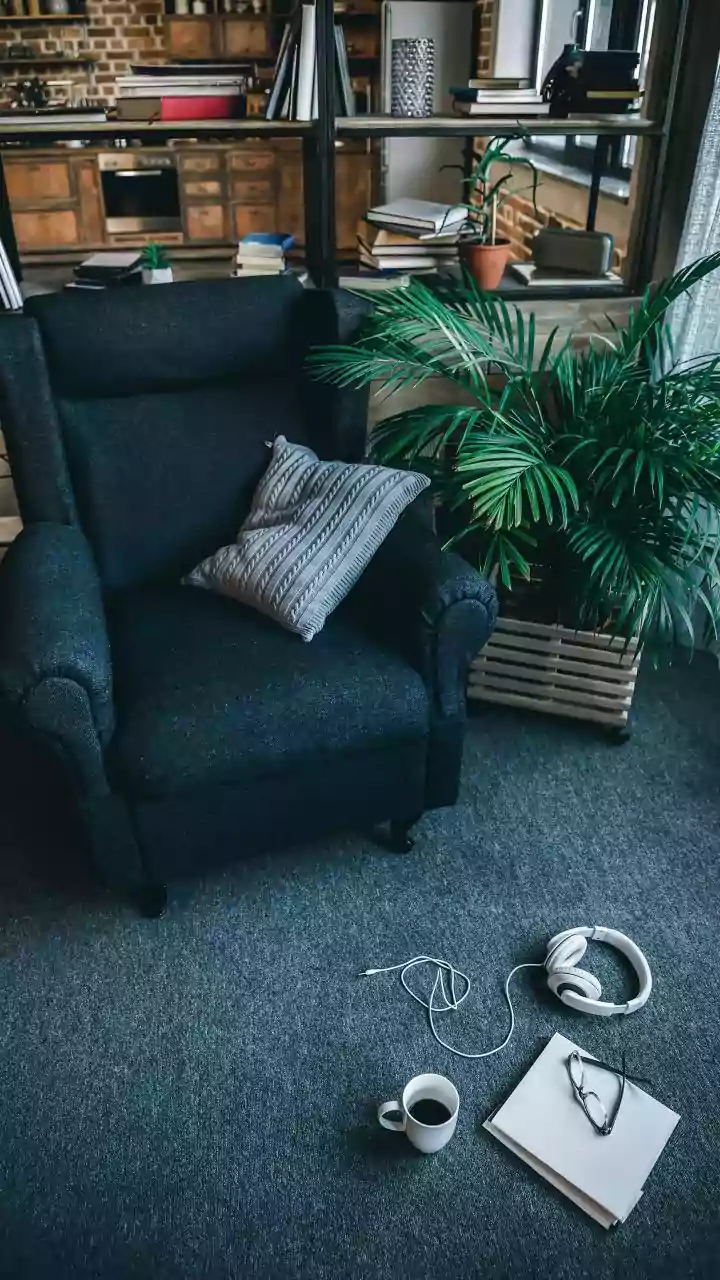
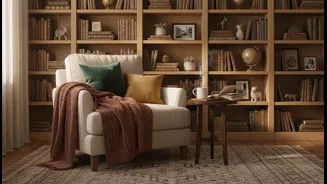
Today, a clear preference is emerging for what designers are calling 'warm minimalism'. This philosophy keeps the core principles of minimalism—uncluttered spaces and purposeful layouts—but swaps the cold sterility for a palette that feels more human and grounding. Think creamy beiges, terracotta, sage greens, and soft browns instead of clinical white and grey. The emphasis is now on texture and natural materials. Handwoven jute rugs, natural woods like teak and walnut, linen curtains, and handcrafted decor are replacing polished concrete and high-gloss laminates. The result is a space that feels both elegant and deeply welcoming.
Why the Sudden Shift to Comfort?
Several factors are driving this move towards cosier homes. The COVID-19 pandemic was a major catalyst, forcing people to spend unprecedented amounts of time indoors. Our homes suddenly had to function as offices, schools, gyms, and sanctuaries. This intense period of habitation made many realise that a home designed to be looked at isn't always a home that's comfortable to live in. The need for dedicated, functional spaces—like a proper work-from-home corner—grew, and with it, a desire for an environment that was emotionally comforting and inspiring. People began to value functionality and personal expression over a generic, trend-driven aesthetic.
A Return to Cultural Roots
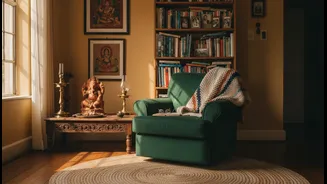
This trend is also about a confident return to a more inherently Indian aesthetic. Culturally, Indian homes have always leaned towards a form of 'maximalism'—a celebration of colour, layers, and objects with emotional history. Our spaces traditionally accumulate layers of life: wedding gifts, family photographs, and heirlooms passed down through generations. The extreme minimalism of the past decade often felt at odds with this cultural DNA. The new cosy trend finds a middle ground. It embraces a 'less is more' approach to clutter but allows for the inclusion of meaningful, culturally resonant items. It’s about creating spaces that are both modern and unmistakably Indian, blending sleek forms with rich textures and handcrafted details that tell a personal story.
The Market Responds
The design and real estate industries are taking note of this significant shift in consumer preference. The Indian interior design market, valued at over USD 36 billion in 2025, is projected to grow substantially, driven by this desire for more personal spaces. Real estate developers are now marketing projects based on themes of wellness and community, not just square footage. Furniture and decor brands are seeing success with collections that blend contemporary design with traditional craftsmanship. There is a growing demand for sustainable, locally sourced materials and multi-functional furniture that caters to the reality of compact urban living. Ultimately, homeowners are investing more in creating a space that feels like a true reflection of their identity.