







The Numbers: A Story of Deficit
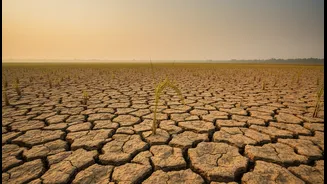
The Southwest monsoon has been underwhelming for Goa this year. As of early July, the seasonal rainfall deficit for the state stands at a concerning 26.7%. While a few days of heavy rain in late June and early July brought some relief and happiness to
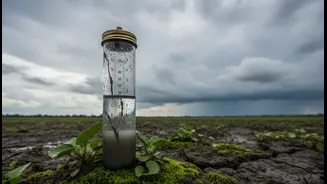
farmers, the monsoon quickly weakened again. The total rainfall received is hovering around 899mm, significantly short of the 1225mm considered normal for this period. This deficit began in June, which recorded 34% less rain than average, and the trend has largely continued into July, which is typically the peak month for monsoon showers.
Farmers on Edge
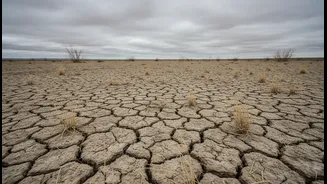
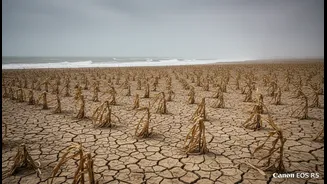
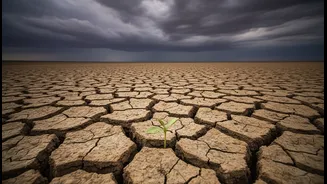
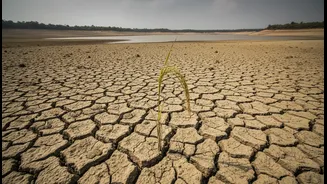
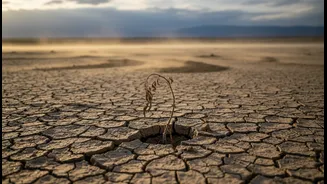
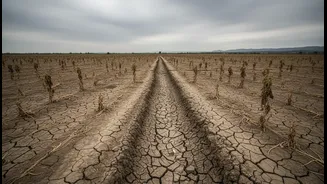
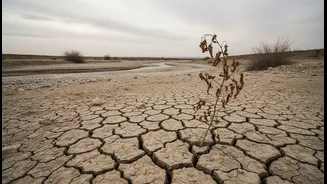
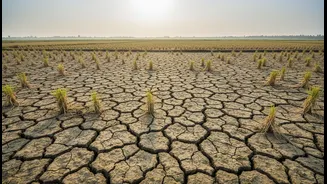
The erratic rainfall is a source of major anxiety for Goa's agricultural community. The kharif season, which is crucial for crops like paddy, is heavily dependent on consistent monsoon rains. Reports from June showed farmers grappling with parched fields and hard soil, making it difficult to prepare for cultivation. The initial dry spell delayed sowing, and for those who had already planted, the lack of water threatened the young seedlings, potentially forcing costly and laborious re-plantings. While brief, heavy showers improved the situation, the return to a weak spell keeps farmers on edge, worried about crop yields and their livelihood.
The Impact on Tourism
For many, the "next step" mentioned in the headline is a planned trip to Goa. Monsoon tourism has grown in popularity, with visitors seeking the romance of the rains, the flourishing green landscapes, and the thunderous, overflowing waterfalls. This year, the experience might be different. The most visible impact is on the state's reservoirs and waterfalls. Selaulim Dam, whose iconic duckbill spillway overflow is a major monsoon attraction, is far from full. While it traditionally overflows by July 7, officials now believe it may not happen until August, a delay not seen in a decade. Tourists planning trips around such natural spectacles should temper their expectations and check current conditions before visiting.
A Looming Water Worry
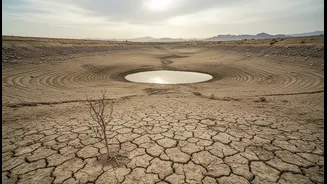
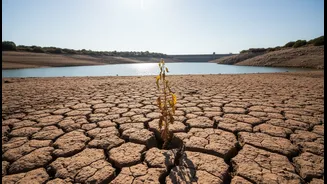
Beyond the immediate concerns for farms and tourism lies a longer-term worry: water security. The monsoon is critical for replenishing Goa's reservoirs, which supply drinking and irrigation water for the rest of the year. The weak start to the season left reservoir levels unusually low. As of early July, even after some rains, major dams remain well below their expected levels for this time of year. The state's largest reservoir, Selaulim Dam, was only at 42.5% capacity on July 7, while Anjunem Dam was just 15% full. If the monsoon doesn't intensify significantly, Goa could face water availability challenges in the coming summer months.
What Does the Forecast Say?
All eyes are on the India Meteorological Department (IMD) for signs of a revival. Forecasts from early July suggested that after a relatively active spell until July 10, the monsoon might enter a weaker, deficient phase again. The IMD has forecast moderate rainfall over the next few days, indicating the monsoon is likely to continue in a rather subdued mode. The systems that typically drive heavy, sustained rain in the region appear to be weak at present. This outlook suggests that the state's rain deficit may not be overcome quickly.