






A 'Below Normal' Rainfall Outlook
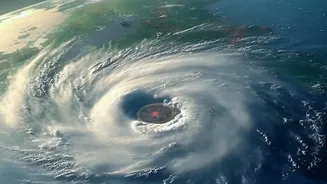
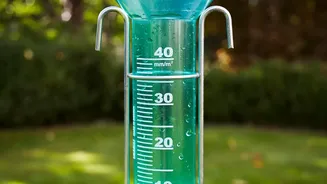
The IMD's latest forecast for August and September 2026 predicts that rainfall across the country as a whole is likely to be 'below normal'. This means precipitation is expected to be less than 94% of the Long Period Average (LPA), a benchmark based on rainfall data
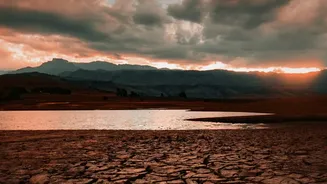
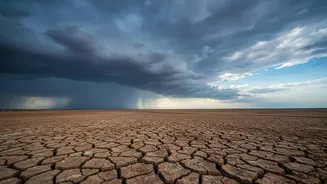
from 1971 to 2020. For August specifically, a similar 'below normal' forecast has been issued. This outlook is influenced by strengthening El Niño conditions in the Pacific Ocean, which are typically associated with weaker monsoon rains in India. While July brought some recovery with good rainfall in central India, the forecast for the next two months suggests a potentially drier end to the season for many.
Why This Period Is Make or Break
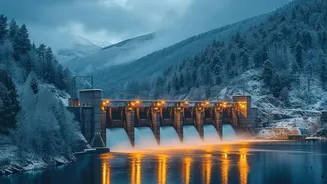
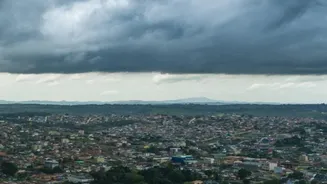
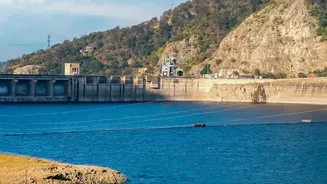
The August-September period is the engine room of the monsoon season, accounting for a significant portion of the total annual rainfall. It's the critical window for India's vast network of reservoirs to capture and store water. This stored water is what municipal corporations rely on to supply homes and businesses throughout the dry seasons that follow. If these months underperform, reservoirs may not reach their full capacity, putting immense pressure on water management authorities for the next year. Even in a city like Mumbai, which receives intense rainfall, the supply for the entire year depends on its seven key lakes filling up during the monsoon. A weak end to the monsoon means less hydroelectric power generation and tougher conditions for agriculture.
From Rain Clouds to Water Taps
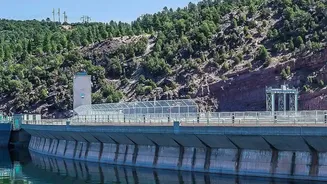
The journey of water to your home is a long one. Monsoon rain falls over large catchment areas, which are the natural lands that channel water into streams and rivers. These rivers feed the dams and reservoirs that act as giant storage tanks for our cities. From these reservoirs, water is drawn, treated at filtration plants to make it safe for consumption, and then pumped through a massive network of pipes to reach your tap. The entire system is dependent on sufficient rainfall to kickstart this process. A deficit in monsoon rains directly translates to lower reservoir levels, forcing municipalities to make difficult decisions about water distribution, which can include imposing water cuts to conserve the available stock.
A Check on Major City Reservoirs
The situation varies across the country. In Mumbai, consistent rains in July and early August have brought significant relief, with the combined water stock in its seven supplying lakes crossing the 90% mark as of August 3, 2026. This puts the city in a comfortable position. However, the national picture reveals regional imbalances. While overall storage in India's major reservoirs has shown improvement, regions in the east and north have faced deficits. For southern cities, the performance of the late monsoon is crucial. For instance, data for reservoirs in Tamil Nadu and Karnataka from early August shows a mixed picture, with some reservoirs well below their levels from the previous year, highlighting their dependence on the upcoming rains.
How to Be a Water-Wise Citizen
Regardless of the forecast, urban water systems are always under pressure from growing populations. Adopting water-saving habits can build resilience and ease the strain on municipal supplies. Simple changes in daily routines can collectively save millions of litres. Start by fixing any leaking taps or toilets at home; a small drip can waste a significant amount of water over time. When washing dishes, avoid letting the tap run continuously. Similarly, turn off the tap while brushing your teeth or shaving. Opting for a bucket bath instead of a long shower can drastically cut down water consumption. When using washing machines or dishwashers, ensure you are running them with a full load to maximize efficiency. Reusing water from RO purifiers for cleaning floors or watering plants is another excellent habit.