



Day 1: Jaipur’s Royal Blues and Block Prints
Arrive in Jaipur, the Pink City, and dive straight into its most famous crafts. Start with Blue Pottery, a Turko-Persian art form that arrived in Jaipur in the 19th century. It’s unique because it uses a quartz-based dough, not clay. Visit a workshop
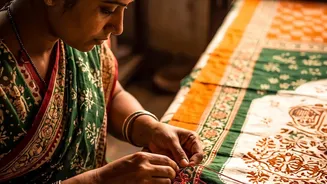
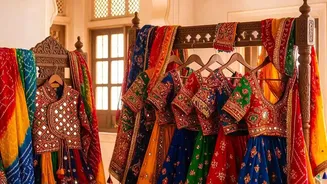
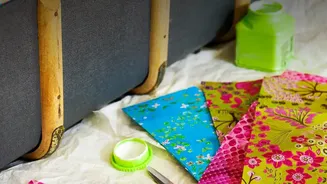
like the Jaipur Blue Pottery Art Centre to see artisans shape, paint, and glaze these brilliant cobalt-blue vases and tiles. Many studios, inspired by the revival led by artist Kripal Singh Shekhawat, now offer hands-on sessions. In the afternoon, take a short drive to Sanganer or Bagru, two villages essential to Jaipur's textile identity. Sanganer, 16 km south of Jaipur, is known for its fine, floral block prints on white backgrounds, a technique influenced by Mughal tastes. Bagru, 30 km west, offers a more rustic style, using a mud-resist 'dabu' technique and natural dyes like indigo to create bold, geometric patterns. Visiting a workshop in either village provides a deep appreciation for the skill behind these world-famous textiles.
Day 2: The Bazaars of Jaipur and Journey to Jodhpur
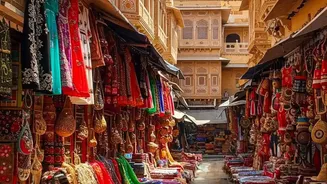
Spend your second morning exploring Jaipur’s historic bazaars. Johari Bazaar is the heart of the city's gem and jewellery trade, while Bapu Bazaar is a vibrant destination for textiles, perfumes, and traditional leather footwear. Here, you can find finished products from the artisan villages you visited, including block-printed quilts, scarves, and clothing. After a morning of soaking in the market's energy, begin your journey to Jodhpur. The drive takes approximately five to six hours, so an early afternoon start will have you arriving in the 'Blue City' by evening. Check into your hotel and enjoy a relaxed dinner, perhaps at a rooftop restaurant with a view of the magnificent Mehrangarh Fort, ready for a day of exploring Jodhpur’s distinct craft culture.
Day 3: Jodhpur’s Leather Legacy and Fortress Views
Jodhpur is synonymous with 'mojari', the handcrafted leather footwear traditionally worn across Rajasthan. These shoes, also called juttis, are made from locally cured camel, goat, or buffalo hide and are entirely hand-stitched. The craft was historically practised by the Mochi and Jingar communities, who also made saddles and other leather goods. Explore the old city's markets around the Clock Tower to find workshops where artisans cut the leather and women meticulously embroider the uppers with silk thread, beads, and mirrors. The shoes have no left or right foot, shaping themselves to the wearer over time. In the afternoon, visit the colossal Mehrangarh Fort, which towers over the city. The fort not only offers breathtaking views of the blue-painted houses below but also houses a museum with artefacts that showcase the region's royal history and the deep connection between patronage and craft.
Day 4: The Miniature Paintings of Udaipur
An early start takes you on the scenic drive from Jodhpur to Udaipur, the 'City of Lakes'. The journey takes around four to five hours. After settling in, dedicate your afternoon to one of Udaipur’s most delicate and revered art forms: miniature painting. This tradition, which flourished under royal patronage, involves creating incredibly detailed artworks on paper or silk. The brushes are often made from squirrel hair, and the colours are derived from natural sources like minerals and plants. The lanes near the City Palace and Jagdish Temple are home to numerous studios, like Ashoka Arts and Pacific Art, where you can watch third- and fourth-generation artists at work. Many artists offer workshops, allowing you to learn the basic techniques and create your own small masterpiece to take home as a unique souvenir.
Day 5: Udaipur’s Craft Village and Lakeside Charm
On your final day, explore Shilpgram, a rural arts and crafts complex located just 3 km west of Udaipur. This ethnographic museum is designed to showcase the lifestyles and crafts of the region's tribal and folk communities. You'll find artisans demonstrating everything from pottery and weaving to puppetry. It’s an excellent place to see a wide variety of Rajasthani crafts in one location and buy directly from the makers. Spend the rest of your morning exploring local markets like Hathi Pol Bazaar for textiles and handicrafts before enjoying a final lakeside view. Udaipur’s serene atmosphere provides a perfect end to a journey through the heart of Rajasthan’s artistic traditions, leaving you with a deeper understanding of the hands and histories that shape its culture.