






The Late But Loud Arrival
The India Meteorological Department (IMD) officially declared the onset of the southwest monsoon over Mumbai on Tuesday, June 23. The announcement came after a significant delay; the normal arrival date is around June 11. This year's entry was late, following
the driest start to June in nearly two decades, a situation that had raised concerns over the city's water supply with lake levels dropping. The monsoon's progress had stalled for about two weeks due to weak weather systems. However, its arrival was anything but gentle. The declaration was made as torrential downpours, thunderstorms, and lightning lashed the city, confirming that the monsoon current had taken full control. The IMD's confirmation is based on specific criteria being met, including sustained rainfall at key monitoring stations like Colaba and Santacruz, widespread coverage, and a decisive shift to strong southwesterly winds.
City Drenched, Disrupted but Relieved
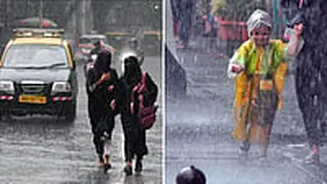
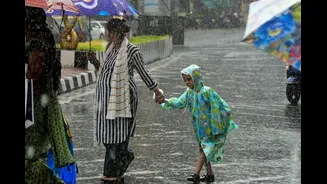
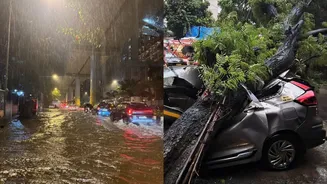
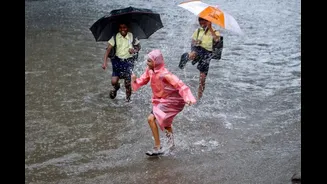
The monsoon's arrival was immediately felt across the metropolis. Heavy overnight rains between Tuesday and Wednesday led to significant waterlogging and traffic disruptions. Some parts of the city received over 200 mm of rain in just 24 hours, with Malad recording as high as 271 mm. Areas notorious for flooding, such as the Andheri subway, Hindmata, and Sion, were quickly inundated, causing the closure of the Andheri underpass and slowing traffic to a crawl. Commuters faced delayed local train services, a lifeline for millions. The Brihanmumbai Electric Supply and Transport (BEST) had to divert over 24 bus routes due to the waterlogging. Alongside the chaos, however, was a palpable sense of relief from the oppressive heat that had lingered through early June. The downpour also triggered a spate of tree and branch falls, with 113 incidents reported in 24 hours.
Alerts, Advisories, and What's Next
In response to the heavy showers, the IMD issued an 'orange alert' for Mumbai and its surrounding districts, warning of moderate to heavy rain and the potential for continued disruptions. This alert signifies a need for authorities and citizens to be prepared. For Thursday, June 25, the forecast includes light to moderate rain with gusty winds of 30-40 kmph. The Brihanmumbai Municipal Corporation (BMC) has been active in issuing advisories, particularly concerning high tides, which can exacerbate waterlogging when they coincide with heavy rain. The BMC has released a high tide schedule for the monsoon months, urging citizens to avoid venturing near the sea during these periods. Looking ahead, the IMD has forecast that conditions are favourable for the monsoon to advance further into other parts of Maharashtra and central India over the next few days.
The Spirit of the Mumbai Monsoon
For Mumbaikars, the monsoon is more than just a weather event; it's a defining feature of the city's character. It's an annual test of resilience, pitting the city's creaking infrastructure against the force of nature. Every year brings familiar scenes of flooded streets and transport chaos, sparking debates about civic preparedness and the challenges of urban planning in a coastal metropolis. Yet, it is also a season of profound beauty and cultural significance. It replenishes the lakes that provide the city's drinking water, a critical concern after a dry spell. It inspires art, literature, and countless social media posts celebrating everything from a hot cup of chai to the dramatic, rain-washed skies. The annual cycle of anticipation, arrival, disruption, and adaptation is a shared experience that binds the city together, a testament to its ability to endure and find moments of joy even amidst the deluge.