




An Urban Obstacle Course
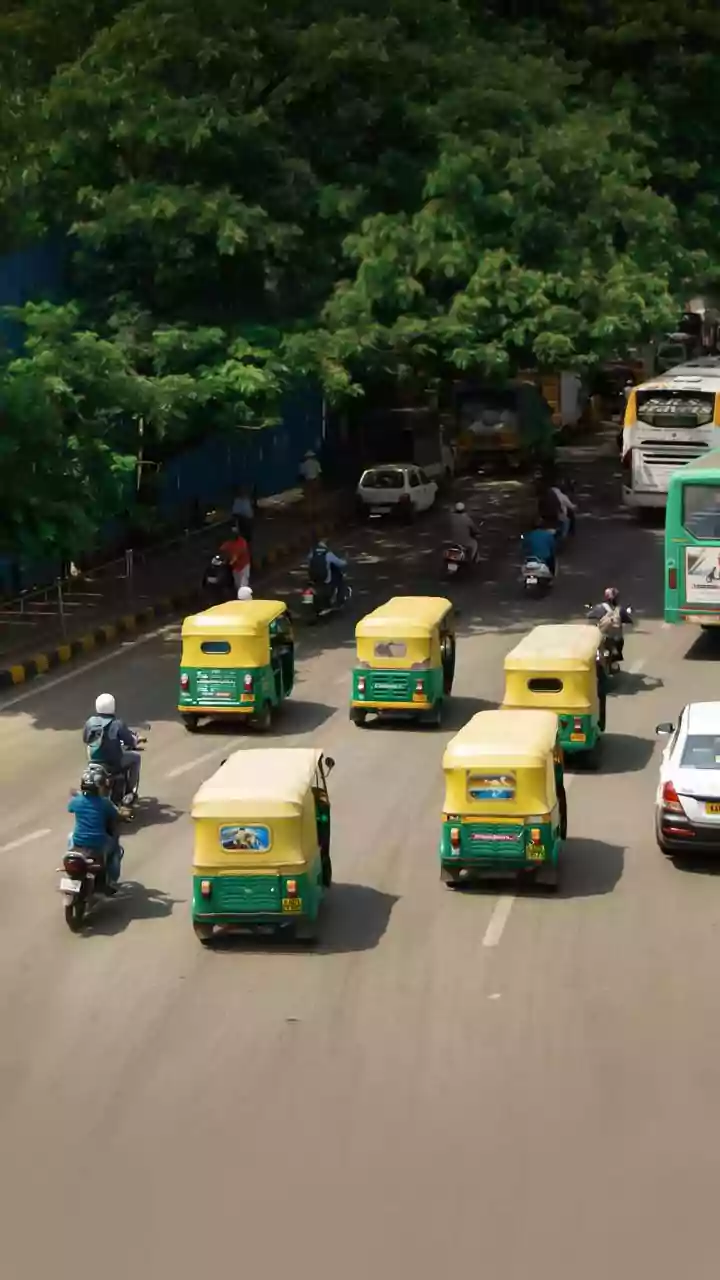
For millions of urban Indians, being a pedestrian is a daily battle. Footpaths, where they exist, are often fragmented, uneven, or encroached upon by parked vehicles and unlicensed vendors. This forces people to walk on roads, navigating a perilous mix
of cars, buses, and two-wheelers. The statistics are grim; pedestrians account for a huge percentage of road fatalities in major cities like Mumbai and Delhi. In 2018, for example, pedestrians made up over 50% of road fatalities in Mumbai. This hostile environment doesn't just make walking unpleasant; it makes it dangerous and exclusionary, especially for children, the elderly, and people with disabilities. The problem stems from decades of urban planning that has overwhelmingly prioritised the movement of cars over the safety and convenience of people.
The Power of Collective Steps
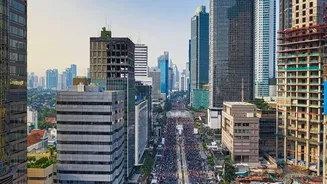
In response to this, a new form of activism is emerging: group walking. When a collective of people walks together, they create a visible, human-centric presence on the streets. This simple act of solidarity serves as a powerful statement. It temporarily reclaims a lane or a road, shifting the balance of power from vehicles to people. Initiatives like Mumbai's 'Equal Streets' movement and 'Raahgiri Day', which started in Gurgaon and spread to over 30 cities, exemplify this. By temporarily closing streets to traffic on Sundays, these events allow thousands to experience their city in a new way—walking, cycling, and playing where cars would normally dominate. This creates a powerful visual and experiential argument for why pedestrian-friendly spaces matter.
From Walking to Advocacy
These community walks are often the first step towards more organised advocacy. Groups like 'The Walking Project' in Mumbai and residents in Bengaluru's Kasavanahalli are turning their collective frustration into concrete action. They conduct 'walkability audits', identifying and documenting specific problems like broken pavements, missing crossings, and illegal encroachments. This data is then used to lobby local municipal corporations and traffic police for tangible improvements. For instance, the 'Walkable Kasavanahalli Road' initiative brought residents and civic bodies together to install designated vending zones, pelican signals, and better waste management systems to clear footpaths. In Chandigarh, the NGO ArriveSAFE uses data from surveys to successfully pressure authorities into restoring pedestrian areas that had been converted into parking lots. This demonstrates a clear pathway from a community walk to a formal policy demand.
More Than Just a Footpath
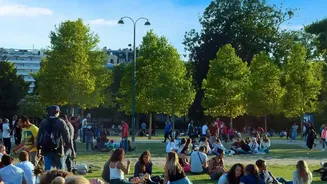
The positive social change driven by these groups extends beyond infrastructure. Group walking fosters a sense of community and shared purpose among residents who might otherwise never interact. In an increasingly digital world, these walks offer a 'third place'—a social environment outside of home and work—where real connections are made. Groups like the Gurgaon Walkers Group organise intergenerational activities, such as heritage walks that bring children and seniors together, strengthening social fabric. Furthermore, many groups focus on reclaiming spaces for safety, particularly for women, by organising night walks or safety audits. By simply being present in large numbers, they make public spaces feel safer and more inclusive for everyone.