




A Symphony of Light
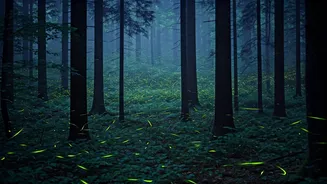
In the Western Ghats of Maharashtra, a rugged mountain range that runs parallel to India’s western coast, a breathtaking phenomenon unfolds every year just before the monsoon rains arrive in June. As dusk settles over the forests, a silent, magical performance
begins. Thousands, then millions, of fireflies emerge, their tiny bodies flashing in a synchronized dance. They swarm around trees, hover in meadows, and drift through the humid air, creating waves of pulsating golden-green light that turn the dark woods into an enchanted realm. For a few short weeks, this natural rave makes the region one of the most sought-after travel destinations in the country, with city dwellers from Mumbai and Pune flocking to the countryside to witness the spectacle.
The Science of the Spectacle
This isn't just random blinking; it's a biological imperative. The annual firefly festival is a massive, coordinated mating ritual. The male fireflies use their bioluminescent flashes to attract females, creating intricate patterns unique to their species. Different species might flash at different speeds or in different hues, turning a single tree into a multi-layered light show. The specific timing, just before the heavy monsoon season, is crucial. It’s the small window when the weather is humid enough for the fireflies to thrive but before the torrential downpours make their courtship impossible. It’s a fleeting, urgent display of life, a last dance before the seasons change, which adds to its poignant beauty and the urgency for travelers to see it.
Ground Zero for the Glow
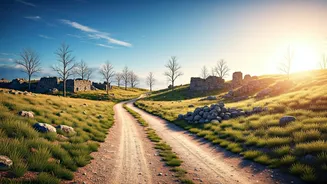
While fireflies can be found in many parts of the world, the sheer density and accessibility of the display in Maharashtra are what make it unique. Several villages and forest areas have become famous hotspots. Places like Purushwadi, a village that has built a sustainable tourism model around the event, offer organized homestays and guided walks. Trekkers flock to the historic hill forts of Rajmachi and Prabalmachi, where the experience combines adventure with natural wonder, as the ramparts of ancient structures provide a stunning vantage point. Other popular locations include Bhandardara, Samrad, and various pockets within the Bhimashankar Wildlife Sanctuary. Each spot offers a slightly different experience, from riverside campsites to deep forest trails, but all promise the same core, mesmerizing sight.
Why It's a Sell-Out Event
The headline's claim of being “totally sold out” isn't far from the truth. The window to see the fireflies is incredibly short—typically from mid-May to mid-June. This scarcity, combined with the event's growing fame on social media, has created a massive surge in demand. Tour operators offering all-inclusive packages with transport, guides, and camping or homestay accommodations are often booked solid weeks, if not months, in advance. It's more than just a light show; it’s an experience. Treks often involve night hiking, camping under the stars, and engaging with local communities who share their culture and food. This blend of adventure, nature, and cultural immersion has transformed a simple biological event into a full-fledged festival, creating a powerful sense of FOMO (fear of missing out) that drives the annual rush.