

Your Vehicle's Pre-Rain Health Check
Before the monsoon season truly settles in, giving your vehicle a thorough inspection is non-negotiable. For both cars and two-wheelers, your tyres are the first line of defence. Ensure they have adequate tread depth—at least 3mm is recommended for wet
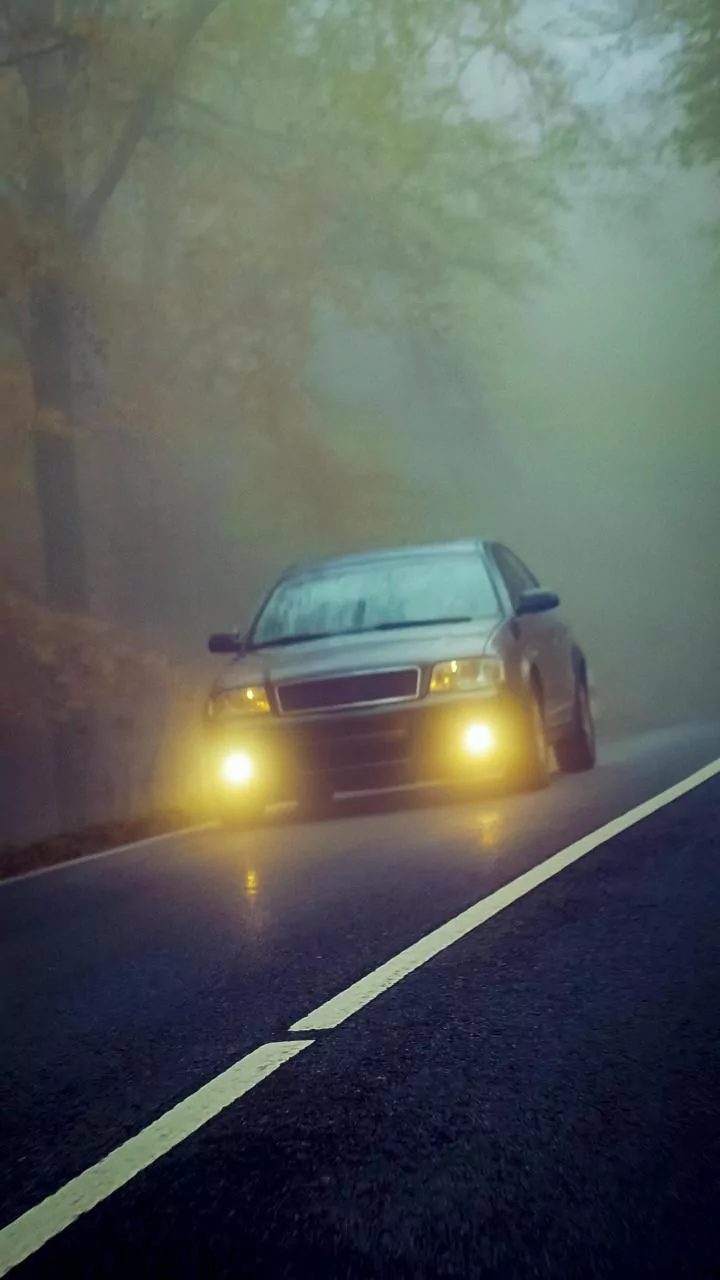
conditions—as worn tyres drastically increase the risk of skidding on slippery roads. Check the tyre pressure weekly, as it can fluctuate with temperature changes. Your braking system works harder in the rain, and wet roads can increase stopping distances. Listen for any squealing or grinding sounds, and if the pedal feels spongy or sinks more than usual, get it inspected by a professional immediately. Finally, test your visibility aids: replace worn-out wiper blades that leave streaks, top up your windshield washer fluid, and ensure all lights (headlights, tail lamps, and indicators) are working correctly. In heavy rain, your lights are crucial for others to see you.
The Essential Monsoon Commuter Kit
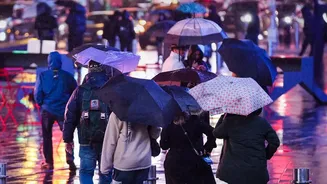
An umbrella is a given, but a truly prepared commuter’s bag contains more. A lightweight raincoat or poncho often provides better protection, especially for those on two-wheelers or who have to walk significant distances. Keeping your electronics safe is paramount. Invest in a waterproof backpack or, at a minimum, use waterproof pouches or zip-lock bags for your phone, laptop, and wallet. A fully charged power bank is a lifesaver, as heavy rains can cause unexpected delays and drain your phone battery. Also, pack a small microfiber towel, a spare pair of socks to avoid the discomfort of wet feet all day, and perhaps a change of clothes if your commute is prone to surprise soakings. Footwear with a good grip is essential to prevent slipping on wet platforms and pavements.
Plan Your Route with Digital Tools
One of the biggest frustrations during a downpour is getting stuck in traffic due to waterlogging. Technology can be your most valuable ally here. Before you leave, check the weather forecast and use real-time traffic apps to get a sense of road conditions. In cities like Mumbai, apps like m-Indicator provide live updates on local train services, which is critical when tracks are flooded. The national 'FloodWatch India' app, developed by the Central Water Commission, offers real-time flood forecasts for various regions, helping you identify and avoid severely affected areas. Having these tools allows you to make informed decisions, such as delaying your departure, choosing an alternative route, or switching to a different mode of transport.
Navigating Waterlogged Streets Safely
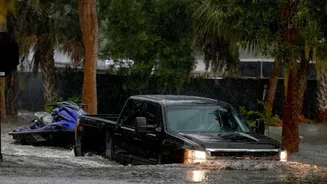
If you absolutely must travel through a waterlogged area, exercise extreme caution. It's often impossible to judge the depth of the water or see hidden hazards like open manholes, potholes, or sharp debris. As a rule, if you cannot see the road surface, do not attempt to drive through it. For car drivers, if the water seems shallow enough, drive slowly and steadily in a low gear through the centre of the road where it's often highest. Avoid splashing and creating a bow wave, which can flood your engine. Turn off your air conditioning before entering the water to prevent the fan from pulling water into the engine bay. If your vehicle stalls, do not try to restart it, as this can cause severe engine damage. Abandon the vehicle and move to higher ground.
Strategies for Public Transport Users
Commuting via public transport during heavy rain requires patience and planning. Expect delays and check the status of your bus or train before heading to the station or stop. Platforms and bus floors will be slippery, so move slowly and carefully, and hold onto railings. To avoid the worst of the rush, try to travel slightly before or after peak hours if your schedule allows. Keep your essentials in a waterproof bag and your ticket or travel card easily accessible to avoid fumbling in a crowded, wet environment. With services often delayed, keeping your phone charged is crucial for staying updated and in touch with family or colleagues. A little extra time and awareness can make the journey much safer and less stressful.