








Step 1: Set Your Foundation—Budget and Destination
Before you get lost in wanderlust, ground your trip in reality. The two most important decisions are your budget and destination. For a first-time traveller from India, popular, beginner-friendly destinations like Thailand, Dubai, Singapore, or Malaysia
are excellent choices. They offer relatively straightforward visa processes and are well-connected by flights. Determine a realistic budget that covers flights, accommodation, food, visas, and activities. As a rough guide, a 5-7 day budget trip to Southeast Asia can range from ₹50,000 to ₹80,000 per person, while a mid-range trip to Dubai might be closer to ₹70,000 to ₹1,00,000. Knowing your budget helps narrow down your destination choices and prevents you from planning a trip you can't afford.
Step 2: Paperwork First—Passport and Visa
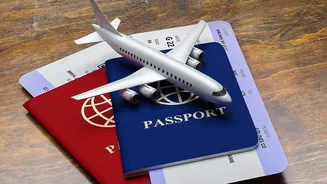
This is the most critical and non-negotiable step. Before you book a single flight or hotel, check your passport. Most countries require your passport to be valid for at least six months beyond your intended return date. Ensure you have at least two blank pages for stamps. Next, research the visa requirements for your chosen country. For Indian passport holders, some nations offer visa-on-arrival or e-visas, which simplifies the process considerably. Others, like the US or Schengen countries, require a detailed application and interview process that can take weeks or even months. Always check the official embassy or consulate website for the most current rules, required documents (like proof of funds, hotel bookings, and return tickets), and processing times. Getting this sorted early prevents last-minute panic and disappointment.
Step 3: The Booking Window—Flights and Accommodation
Once your passport and visa strategy are clear, it's time to book. The key to getting good prices is timing. For international flights, the sweet spot for booking is generally two to eight months in advance. Booking too early or too late can lead to higher prices. Experts suggest booking international travel at least 90 days in advance. Use flight comparison tools to track prices and consider flying midweek, as Tuesdays and Wednesdays are often cheaper than weekends. For accommodation, book your stay after your flights are confirmed. This is often required for visa applications anyway. Whether you choose a hotel, hostel, or rental apartment, booking one to three months ahead usually offers a good balance of price and availability.
Step 4: Craft Your Itinerary (Without Over-Planning)
Here's where you can finally let yourself dream, but with structure. Instead of opening a hundred tabs, create a single master document or use a travel planning app to organise your research. List your 'must-do' activities and sights, then group them by location to create a logical daily flow. The biggest mistake first-timers make is trying to cram too much in. An over-planned itinerary leaves no room for spontaneous discoveries, which are often the best part of travel. Plan for one or two major activities per day and leave the rest of the time flexible. This approach keeps you from feeling rushed and allows you to truly enjoy the experience.
Step 5: Manage Your Money and Connectivity
Handling money abroad requires a multi-pronged approach. Inform your bank about your travel dates to prevent your debit and credit cards from being blocked for suspicious activity. It's wise to carry a mix of payment options: a forex card loaded with the local currency, some cash for small purchases, and at least two different credit or debit cards. For staying connected, check international roaming packs with your mobile provider. Alternatively, buying a local SIM card at your destination or using an eSIM can often be more cost-effective. Downloading offline maps and translation apps before you leave can be a lifesaver.
Step 6: The Final Pre-Departure Checklist
In the final week before your trip, focus on packing and final checks. Pack light and smart, choosing versatile clothing appropriate for the destination's weather. Don't forget essentials like a universal travel adapter, a portable charger, and any prescription medications with a doctor's note. Make digital and physical copies of all your important documents: passport, visa, flight confirmations, hotel bookings, and travel insurance. Share your itinerary with a trusted family member or friend. Arrive at the airport early for international flights—at least three hours is standard—to navigate check-in, security, and immigration without stress.