






From Digital Menus to Intelligent Logistics
Not long ago, the magic of food delivery apps was simply connecting you to restaurants. The first phase was about building a digital marketplace. Today, the battle for your loyalty isn't just about restaurant choice; it's about hyper-efficiency. This
new 'AI Ops Phase' is a fundamental shift from being a simple aggregator to becoming a sophisticated, large-scale logistics and data science company. Behind every delivery prediction from apps like Zomato and Swiggy lies a massive ecosystem of machine learning, real-time analytics, and geospatial intelligence. They are no longer just food apps; they are AI companies managing complex hyperlocal delivery networks. The goal is to optimise every single part of the process, from the moment you open the app to the second your order arrives at your door. This transition is driven by fierce competition and the relentless pressure to achieve profitability in a notoriously low-margin industry.
The Brains Behind the Delivery
The most visible impact of AI is on logistics. Predicting an accurate delivery time is a complex calculation involving dozens of variables. AI algorithms analyse real-time traffic, weather conditions, restaurant preparation times, and rider availability to provide an estimated time of arrival (ETA). This isn't a static guess; machine learning models constantly adjust routes to minimise delivery times and operational costs. Major platforms use AI for smart dispatching, which efficiently matches drivers to orders and often batches multiple deliveries together to reduce costs while improving speed. Beyond routing, AI is crucial for demand forecasting. By analysing historical data, local events, and even weather patterns, platforms can predict demand spikes in specific neighbourhoods. This allows them to position delivery partners in high-demand zones even before the orders start rolling in, ensuring faster service.
A Smarter and More Personalised Experience
AI's influence extends deeply into your personal app experience. One of its most powerful applications is creating personalised recommendations. By analysing your order history, browsing patterns, dietary preferences, and even the time of day, AI curates the restaurants and dishes you see first. If you frequently order vegan food, the app will highlight vegan-friendly restaurants and new plant-based menu items. Zomato and Swiggy have both introduced AI-powered assistants and search tools to make discovering food more conversational and intuitive. Customer support is also being automated. AI-driven chatbots now handle a large volume of queries, from order tracking to refund requests, providing instant responses and freeing up human agents for more complex issues. This not only improves efficiency but also ensures a consistent level of service 24/7.
The Impact on Restaurants and Riders
For restaurant partners, the AI ops phase brings both opportunities and challenges. AI tools can help them predict demand, streamline kitchen operations, and manage inventory to reduce food waste. Some platforms provide data-driven insights to restaurants, helping them understand which dishes are selling well and when the peak hours are likely to be. For delivery partners, AI-optimised routes mean more efficient deliveries and potentially higher earnings. However, this algorithmic management also raises concerns about a lack of human oversight and the pressure to meet ever-shrinking delivery times. While AI promises to find the most efficient path, the lived experience for riders is one of constant monitoring and direction by an automated system.
The Future is Autonomous and Hyper-Personalised
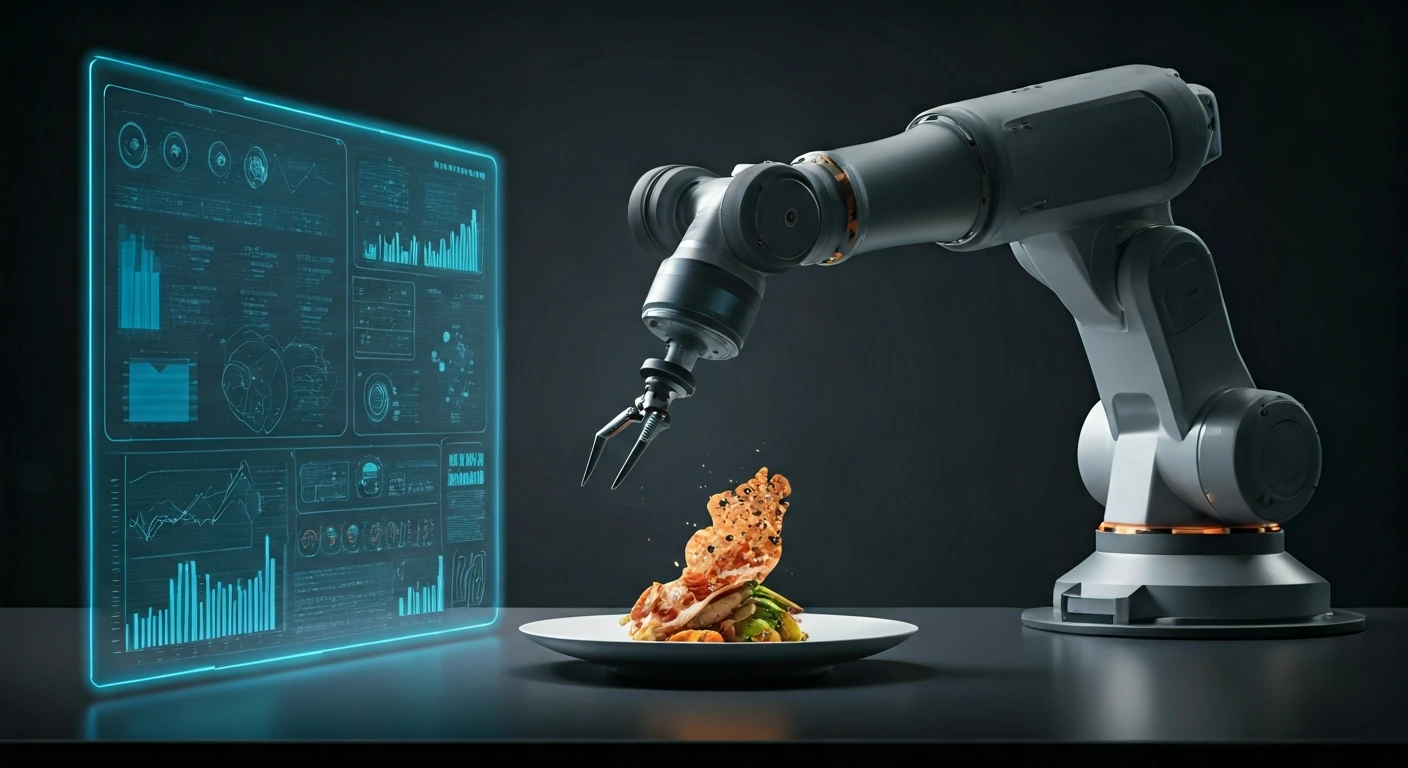
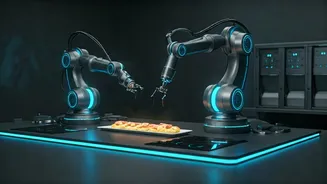
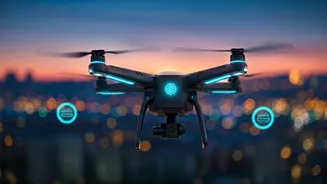
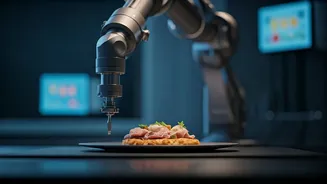
This AI-driven transformation is just getting started. The future promises even deeper integration of this technology. Experts predict a rise in autonomous deliveries via drones and self-driving vehicles, which are currently in experimental stages. Hyper-personalisation will evolve to the point where apps might suggest meals based on your health goals or recent fitness activity. We will also see smarter kitchens, where AI assists with everything from meal preparation to quality control. The ultimate vision is an intelligent, self-optimising system that manages the entire food journey with minimal friction and maximum speed, turning today's 10-minute delivery from a novelty into a reliable standard.