






Anchors in a Sea of Change
Pune is a city in a hurry. Cranes dot the skyline, new metro lines snake through old neighbourhoods, and a vibrant, youthful energy propels it forward. Yet, amidst this relentless modernisation, there are places that refuse to rush. These are the city's
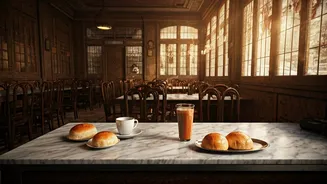
beloved Irani and Parsi cafes, establishments that have watched Pune transform for the better part of a century. [11] Fleeing religious persecution in Persia, many Zoroastrian immigrants arrived in India in the 19th and 20th centuries and set up eateries that would become cultural landmarks. [2, 11] With their marble-topped tables, bentwood chairs, and the unchanging aroma of bun maska and chai, these cafes are more than just restaurants; they are living museums. [16] Their refusal to change—to renovate, to expand their menus, or to chase trends—is not a business flaw. It is their defining feature, a beautiful stubbornness that offers a comforting consistency in a world of flux. [9]
The Unchanging Taste of Goodluck
Ask any Punekar for an iconic cafe, and Cafe Goodluck will likely be the first name you hear. Established in 1935 on the bustling Fergusson College Road, it is one of the city's oldest and most celebrated Irani cafes. [6, 4] For decades, it has been the go-to spot for students and old-timers alike, all drawn by a simple, powerful promise: consistency. [9] The menu, especially the breakfast classics, has remained largely untouched for years. [4] The legendary bun maska—a soft bun generously slathered with butter, often dunked in sweet, milky Irani chai—is a ritual. [7] Waiters who have been working there since the 1980s speak of how the world outside has changed dramatically, but inside Goodluck, even the tables are the same. [9] While it started with just tea and snacks, it later introduced non-vegetarian dishes that became legendary, including the robust kheema pav (minced meat with bread). [8, 17] Entering Goodluck feels like stepping into a time portal, where the frantic pace of the city outside melts away into the comforting hum of conversations and clinking teacups. [7]
A Morning at Vohuman
Another institution, Vohuman Cafe, has its own unique brand of stubborn charm. Started in 1978 by the late Hormuz Irani, it quickly became a haven for early risers and students. [10, 15] Famous for its incredibly simple, no-frills menu, the star attraction is the cheese omelette, made with generous cubes of cheese that melt into a gooey delight. [15] The cafe's atmosphere is famously unpretentious, with wobbly tables and functional chairs that no one seems to mind. [15] It's the food and the feeling of nostalgia that people come for. For years, patrons were greeted by the warm, witty presence of 'Bawaji' Hormuz Irani, whose personality was as much a part of the Vohuman experience as the food. [10] Though the cafe has since moved to a new, larger location and is run by the next generation, it continues to uphold its legacy of serving simple, hearty, and affordable breakfast fare that has fueled the city for decades. [10, 3]
Dorabjee's Enduring Parsi Legacy
If Goodluck is an Irani icon, Dorabjee & Sons is Pune's Parsi patriarch. Established in 1878, it is not just one of Pune’s oldest restaurants but one of the oldest in India. [12, 25] What began as a humble tea stall serving the British and Indians alike, evolved into a full-fledged restaurant renowned for its authentic Parsi cuisine. [5, 24] Now run by the fourth generation of the family, the restaurant proudly defies modern culinary rules. [12, 24] The menu has barely changed in over a century, still featuring classics like Mutton Dhansak (served only on Sundays), flavourful biryanis, and Salli Boti. [18, 13] In a remarkable display of tradition, many dishes are still cooked over wood and charcoal fires, a practice that contributes to their unique taste. [13] The restaurant even displays old menus where prices were listed in annas, a testament to its long and storied history. [12, 13] This commitment to preserving recipes and cooking methods is the soul of Dorabjee & Sons, a place that serves history on a plate. [18]