



The 2026 Summer Staple
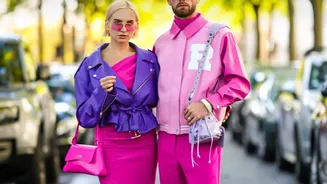
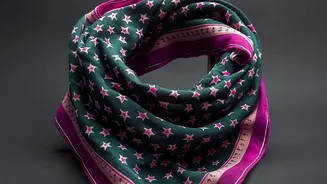
Fashion is having a major love affair with the bandana in 2026. Once a purely functional accessory for cowboys and workers, this simple square of printed cloth has been elevated. From street style at Copenhagen Fashion Week to celebrity sightings, the bandana is delivering
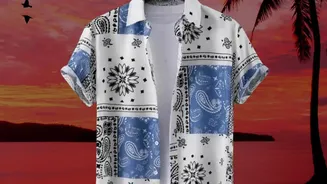
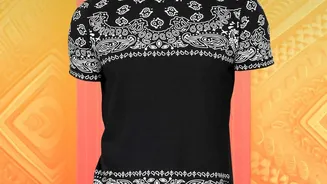
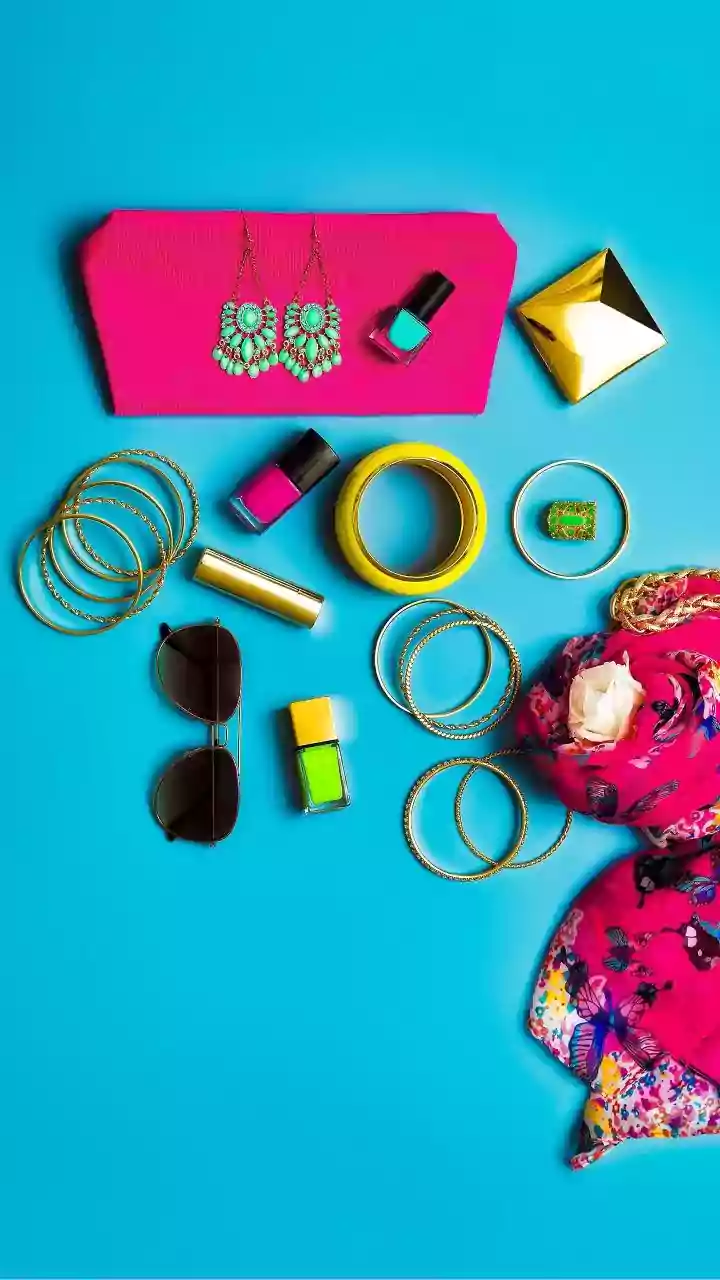
a dose of effortless cool to modern wardrobes. This isn't the costume-like festival wear of past revivals; today's look is more refined. Designers are showcasing the classic paisley print on silk tops, swimwear, and oversized scarves, while stylists pair them with clean basics like white trousers and linen shirts for a look that feels both playful and polished. The trend is a return to intentional simplicity, where a single, well-chosen accessory can redefine an entire outfit with personality and ease.
The Logic of a Simple Cloth
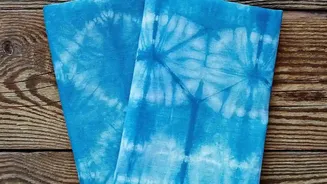
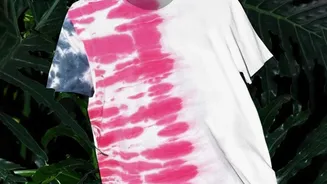
To understand the bandana's enduring appeal, you have to look past the pattern to the logic of the textile itself. At its core, a bandana is a masterclass in functional design. The word itself comes from the Hindi 'bandhani', a traditional tie-dye technique, and the Sanskrit 'bandh,' meaning 'to tie.' This etymology points to its origin as a versatile piece of cloth meant for tying, wrapping, and covering. Historically, its purpose was defined by its user: a handkerchief for a snuff-taker, a dust mask for a cowboy, a sweatband for a factory worker. This inherent adaptability is the 'textile logic' that modern fashion continues to explore. It's a single object with a multitude of functions, able to be transformed by the wearer’s needs and imagination.
From Persian Boteh to Indian Roots
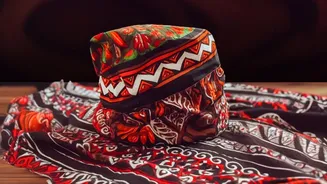
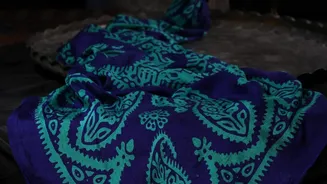
The pattern most associated with the bandana—paisley—has a story that stretches back millennia, long before it was named after a town in Scotland. The iconic teardrop shape is a Persian motif called 'boteh,' symbolizing life, fertility, and eternity. This design journeyed to India, where it became a cornerstone of Mughal textile art, particularly on the famed hand-embroidered shawls from the Kashmir region. For an Indian audience, this pattern, often called the 'ambi' or mango motif, is deeply familiar, signifying prosperity and abundance. It was through the East India Company's trade that these luxurious shawls and their captivating boteh captivated Europe, creating a demand so high that Western weavers began producing their own versions.
A Symbol of Counter-Culture
As European factories began mass-producing bandanas, the accessory took on new life and new meanings. In America, it became a rugged symbol of the West, essential for work and survival. Throughout the 20th century, its meaning shifted with each subculture that adopted it. It became a sign of solidarity for labor unions, a mark of rebellion for bikers, and a complex system of signals in the LGBTQ+ community through the 'hanky code.' In more recent decades, it was a key part of hip-hop identity. This rich and often contradictory history is woven into the fabric of every bandana, giving it a cultural weight that few accessories possess. It can signify heritage, belonging, defiance, or simply style—often all at once.
The Modern Reinterpretation
The 2026 revival is not just a repeat of history but a reinterpretation of it. Designers are engaging with the bandana's entire story. Some are leaning into its luxurious roots, using high-quality silks and crafting oversized versions meant to be draped like a couture scarf. Others are focused on sustainability, using organic cotton and heritage handloom techniques that honor the textile's origins. The print is being deconstructed and applied to everything from trousers to jackets, moving beyond the simple square. This new wave of heritage-inspired fashion values craft, provenance, and storytelling. By choosing a bandana today, you are participating in a conversation that connects modern style with ancient craft, global trade routes, and a rich tapestry of cultural identity.