





From Packets to Plates in London
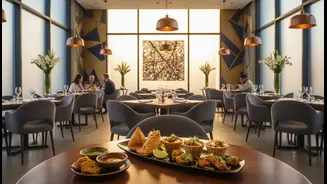
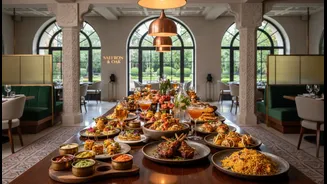
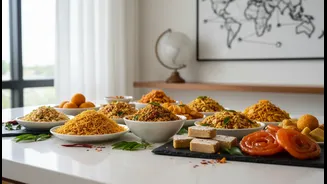
The most prominent example of this trend is Haldiram's, a brand synonymous with everything from bhujia to soan papdi. In June 2026, the company opened its first full-service restaurant in the UK, a 120-seat establishment in London's bustling Leicester
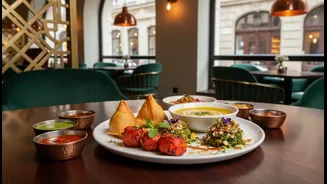
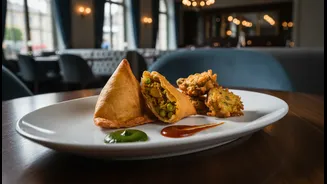
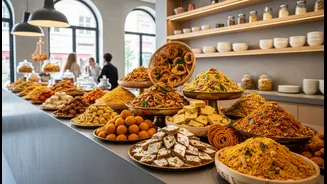
Square. This isn't just a small cafe; it's a significant 3,000-square-foot venture designed to transition the brand from a quick-service model to a premium casual dining experience. The menu features beloved classics like choley bhature and pao bhaji, alongside an extensive chaat selection and even fusion desserts created exclusively for the London palate. This move signals a strategic shift from being just a product on a supermarket shelf to becoming a complete culinary destination, complete with a retail counter for takeaway sweets and snacks.
The Strategy Behind the Shift
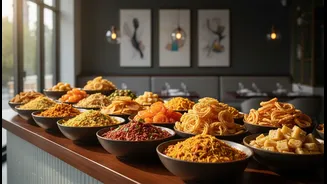
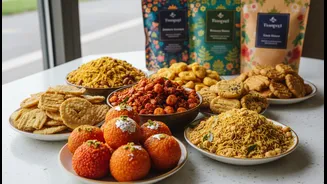
Why would a successful snack empire venture into the notoriously difficult restaurant business abroad? The strategy is twofold. First, it capitalizes on a built-in audience. For the large South Asian diaspora in cities like London, the Haldiram's name evokes powerful nostalgia. Second, it’s a confident move to introduce the full spectrum of Indian cuisine to a wider international audience that may only be familiar with a narrow version of it. Rhea Agarwal, a third-generation entrepreneur leading the brand's European expansion, noted that while curries are well-known, many aspects of Indian food, like the diverse world of mithai and namkeen, remain untapped in the UK. The London restaurant, therefore, serves as both a cultural embassy and a savvy business move, leveraging brand recognition to de-risk entry into a competitive market.
Challenges and Opportunities on a New Continent
Expanding into Europe is not without its hurdles. One of the primary challenges is adapting to local tastes without diluting the brand's authentic identity. There's a delicate balance between toning down spice levels for some dishes and staying true to the original flavours that fans expect. Furthermore, the European hospitality sector faces its own economic pressures, including high operational costs. However, the opportunity is immense. The demand for authentic Indian cuisine is growing across the continent, moving beyond the diaspora to local European consumers interested in regional specialities, vegetarian options, and diverse flavours. This interest creates fertile ground not just for established giants like Haldiram's but also for other Indian food businesses, including restaurant chains and franchise operators exploring markets in Germany, France, and the Netherlands.
Bridging the Information Gap
For Indian diners and tourists in Europe, this trend is exciting but also creates a need for reliable information. Knowing that a trusted brand like Haldiram's has a restaurant is one thing, but understanding the menu, the pricing—a meal like an aloo paratha costs around £6.50—and the specific experience is another. Vloggers and early visitors to the London location have been quick to share reviews, noting the fast service and packed house, but also that some services like takeaway were not immediately available post-launch. As more brands follow suit, diners will need access to clear, up-to-date details on what these new European outposts offer, from menu specifics to whether they cater to dietary needs like veganism.
Lessons for Indian Entrepreneurs
This trend offers a powerful blueprint for other Indian food and beverage businesses with global ambitions. The success of this model hinges on leveraging strong brand equity built over decades. It also highlights the growing opportunity for franchise models, with chains like Thindi and Krishna Vilas already expanding across Ireland, the UK, and the Netherlands. For entrepreneurs, the key takeaway is the rising global appetite for authentic, regional Indian food. The market is showing a clear shift away from generic 'Indian curry' towards more specific and diverse culinary experiences. As European consumers become more adventurous, the door is opening for businesses that can provide an authentic taste of India, whether through a full-service restaurant, a franchise, or the export of value-added food products.