






Inspect and Seal Leaks
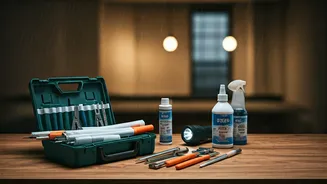
Before the downpours begin, conduct a thorough inspection of your home. Check your roof, terrace, and exterior walls for any cracks, gaps, or signs of wear. Pay close attention to corners and joints, as these are common weak spots. Telltale signs of a potential
leak include discoloured patches on the ceiling or walls, and peeling or bubbling paint. For minor cracks, you can use a waterproof sealant or filler available at any hardware store. For larger or more serious issues, especially with the roof, it’s wise to call a professional for a proper assessment and repair. Sealing these entry points now will save you from the nightmare of indoor drips and water damage later.
Ensure Proper Drainage
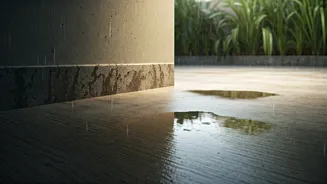
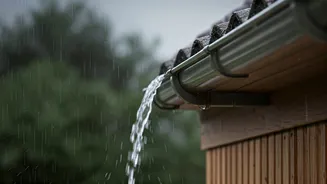
Clogged drains and gutters are a primary cause of waterlogging and seepage into your home’s foundation. Over time, they accumulate leaves, dirt, and other debris. When heavy rain arrives, this blockage prevents water from flowing away from your property, causing it to pool on your terrace or around your house. Before the first heavy shower, make it a priority to clear all drains, rooftop gutters, and storm-water drains on your property. A simple cleaning can prevent water from backing up and seeping into your walls, causing significant structural damage and dampness issues.
Combat Dampness and Mould
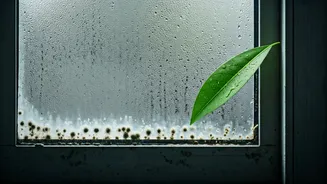
The high humidity during the monsoon creates the perfect environment for mould and mildew to thrive. These fungi not only leave unsightly black or green patches on your walls and ceilings but can also trigger allergies and respiratory issues. To combat this, ensure your home is well-ventilated. Open windows for a few hours on dry, sunny days to allow air to circulate. In poorly ventilated areas like bathrooms and kitchens, consider installing an exhaust fan. For cupboards and wardrobes, you can place moisture-absorbing products like silica gel packs, or natural alternatives like camphor balls or neem leaves, to protect your clothes and prevent a musty smell.
Prioritise Electrical Safety
Water and electricity are a deadly combination. It is crucial to check your home's electrical systems before the monsoon. Inspect all outdoor wiring, including connections for air conditioners and outdoor lights, for any signs of fraying or exposed wires. Ensure that your main switchboard and outdoor meters are adequately covered and protected from rain. If you notice any recurring issues like flickering lights or frequent tripping, call a qualified electrician immediately. Installing an Earth Leakage Circuit Breaker (ELCB) is a highly recommended safety measure, as it automatically cuts off the power supply in case of a current leak, preventing electric shocks.
Protect Your Wooden Furniture
Wood is porous and tends to absorb moisture from the air, causing it to swell and warp. This can make doors and windows difficult to shut and can damage your valuable wooden furniture. To protect them, try to move furniture a few inches away from walls, especially external walls that are prone to dampness. Before the season begins, applying a fresh coat of polish, varnish, or lacquer can create a protective barrier against moisture. Avoid using wet cloths to clean wooden surfaces during this time; a dry microfibre cloth is a much better option.
Keep Pests at Bay
The rainy season is prime time for pests like termites, cockroaches, and mosquitoes to seek shelter in the dry comfort of your home. A proactive approach to pest control is essential. Start by sealing any cracks or holes in walls and floors that could serve as entry points. Install nets on windows to keep mosquitoes out while still allowing for ventilation. Pay special attention to hygiene in the kitchen and dining areas, ensuring no food scraps are left out. Regularly dispose of garbage and make sure your bins are tightly sealed. Preventing stagnant water from collecting in or around your home is the most effective way to stop mosquitoes from breeding.