



Beyond a Sugar Rush
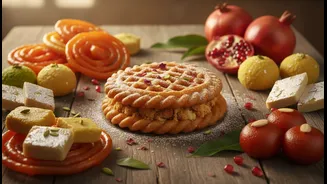
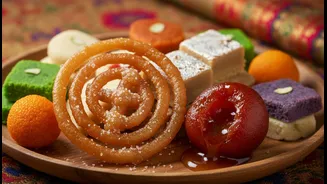
Traditional Indian mithai is an emotional and cultural cornerstone, deeply connected to festivals, celebrations, and memories. For decades, the primary markers of a good sweet were its richness, freshness, and, above all, its satisfying sweetness. However,
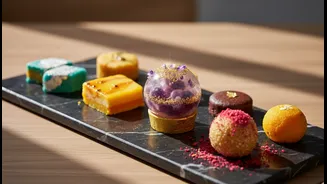
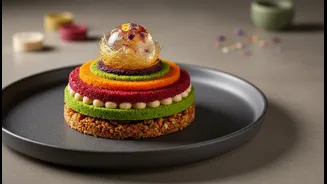
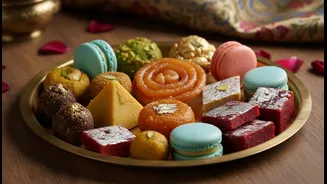
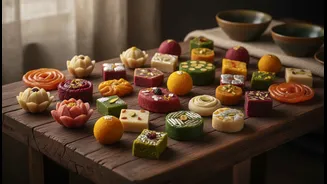
as the Indian palate becomes more global and discerning, a new appreciation is emerging. Consumers are looking for more than just a sugar hit; they desire complexity and craftsmanship. This has paved the way for an artisanal mithai movement, where sweets are approached with the same nuance as fine chocolate or specialty coffee. Chefs and a new generation of halwais are deconstructing traditional recipes to elevate them, focusing on distinct sensory elements that were always present but rarely the main event.
The Importance of 'Bite'
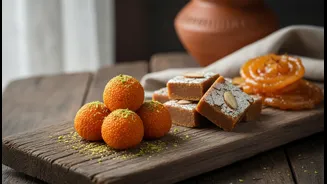
The first element gaining prominence is 'bite,' or texture. This refers to the physical sensation a sweet creates in the mouth. Think of the perfect granular crumble of a motichoor ladoo, the clean snap of a well-made chikki, or the melt-in-your-mouth quality of a Kaju Katli. Artisanal makers are now consciously manipulating these textures to create more dynamic experiences. They are exploring techniques to enhance the flakiness of soan papdi or ensure the creamy-yet-crumbly consistency of kalakand. This might involve using different roasts for nuts to alter their crunch, or refining cooking processes to achieve a specific density in milk-based sweets, turning a simple dessert into a complex textural journey.
A Lingering 'Finish'
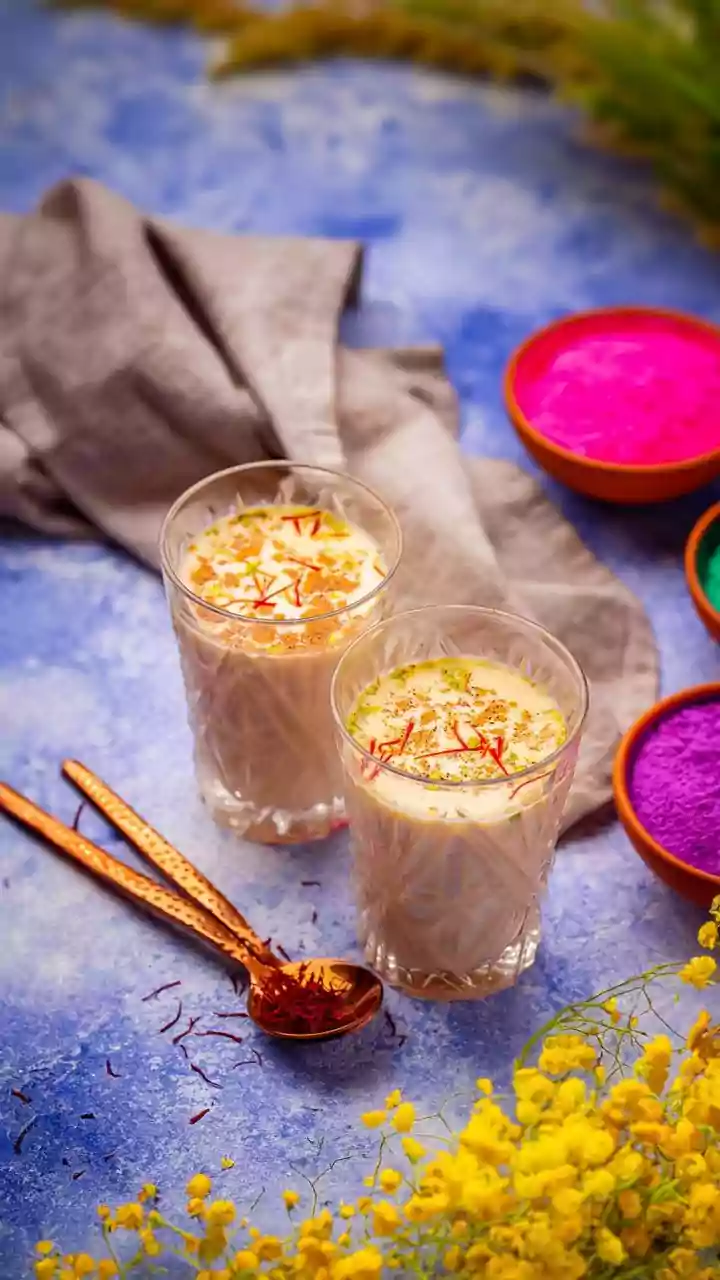
Just as with fine wine, the 'finish' of a sweet is becoming a key indicator of quality. This refers to the lingering aftertaste once the initial sweetness has faded. A mithai made with unrefined jaggery, for instance, will leave a deep, molasses-like warmth that is very different from the clean, sharp finish of refined sugar. Modern chefs are playing with this concept by using high-quality, single-origin ingredients. Spices like saffron, cardamom, and even fennel are being used not just for primary flavour but for the subtle, aromatic notes they leave behind. This focus on the finish encourages a slower, more mindful way of eating, where the experience continues long after the last bite.
The Power of 'Aroma'
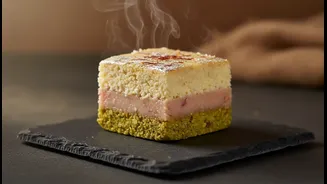
The experience of a gourmet sweet now begins before it even touches the lips, starting with its aroma. The scent of pure ghee, the fragrance of freshly ground pistachios, or the heady perfume of rosewater are powerful triggers of appetite and nostalgia. Artisanal sweet makers are harnessing this by paying closer attention to how these scents are developed and preserved. This can involve using cold-pressed oils, freshly ground spices, and natural floral waters. Some chefs are even borrowing techniques from modern pastry to create fusions like a Gulkand Pistachio bonbon or Rasmalai Tres Leches, where aroma is a key component of the dessert's appeal.
The New Age of Mithai
This evolving trend is driven by a new generation of Indian chefs and entrepreneurs, many of whom have trained in European pastry kitchens. They are applying techniques from global patisserie to traditional Indian flavours, resulting in creations that are both innovative and deeply rooted in heritage. Brands like Bombay Sweet Shop and chefs such as Surbhi Sahni and Ajay Chopra are at the forefront, marrying French techniques with Indian nostalgia. The goal isn't to replace the beloved halwai shop around the corner, but to offer a new expression of Indian dessert culture—one that is premium, thoughtful, and ready for a global stage. This shift is also supported by a growing consumer demand for healthier, less-sweet options and a willingness to pay for quality and craftsmanship.