
A Return to the Roots
There is a quiet but powerful shift happening in Indian kitchens. For years, modern Indian food was often about spectacle—think foams and liquid nitrogen. Now, leading chefs are moving away from imported novelties and focusing on the immense diversity
of India's native produce. This movement is driven by a renewed confidence in regional culinary wisdom and a desire for sustainability. Instead of just recreating old recipes, chefs are becoming cultural custodians, exploring the 'why' behind traditions and reintroducing ingredients that have been overlooked for generations. This isn't about rejecting the past but celebrating it by showcasing the unique stories and flavours of local ingredients on a modern stage.
Millets: The Ancient Grain Gets a Gourmet Makeover
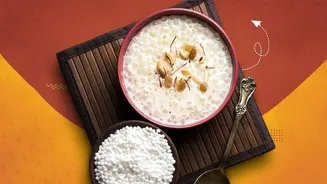
Once considered 'poor man's grain', millets are now at the forefront of this culinary renaissance. Chefs like Sanjeev Kapoor and Vikas Chawla are championing these ancient grains for their nutritional benefits, versatility, and climate resilience. On festive menus, this translates into exciting new dishes. Imagine a creamy, luscious kheer, but made with foxtail millet (thinai) and coconut milk, as created by Chef Suresh of Marriott Executive Apartments Hyderabad. Or a festive phirni from Uttarakhand made with barnyard millet (jhingora). From millet risottos and salads to innovative laddoos, these grains are being transformed from humble staples into the stars of fine-dining experiences, offering a healthier yet equally indulgent way to celebrate.
The Untapped Bounty of Jackfruit and More
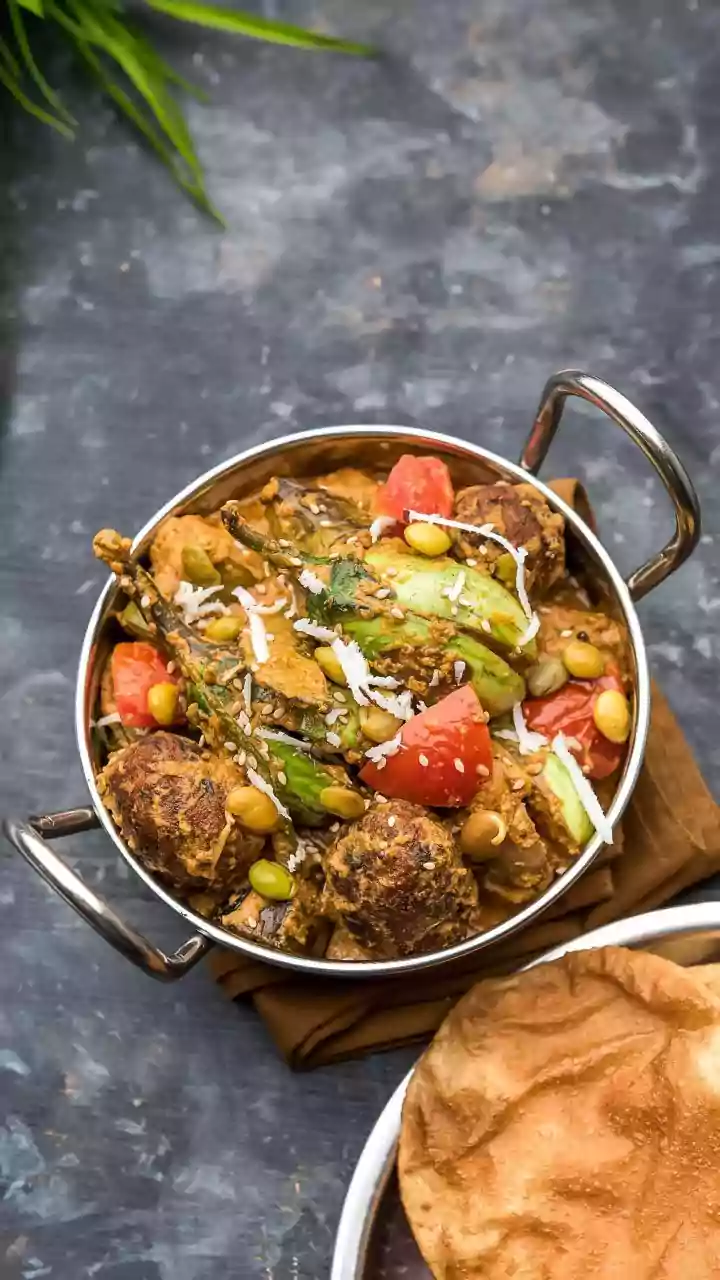
Beyond millets, chefs are rediscovering a treasure trove of regional produce. Raw jackfruit (kathal), with its meaty texture, is being treated with the reverence of a steak, appearing in everything from cutlets to tandoori-style tacos. Similarly, ingredients like lotus root are being reimagined as crispy chips, while forgotten greens and local flowers such as moringa are finding their way into sophisticated dishes. In Kerala, Chef Regi Mathew of Kappa Chakka Kandhari champions dishes like idichakka (tender jackfruit) cutlets, inspired by family recipes. This focus on hyper-regionality means that festive platters are becoming more diverse, celebrating unique local flavours from Nagaland's bamboo-steamed pork to the distinctive dishes of Mangalurean Christians.
Reimagining the Festive Platter
This trend goes far beyond simply swapping one ingredient for another; it's about rethinking the entire festive meal. While sweets like Gulab Jamun and Kheer remain festival mainstays, they are now being prepared with healthier alternatives like jaggery or dates. Chef Sanjeev Kapoor, for instance, suggests baked or air-fried versions of snacks like gujiya to reduce richness without losing the festive feel. The focus is on creating balanced, flavourful dishes that are both indulgent and mindful. Chefs are demonstrating that a festive feast doesn't have to mean compromising on health. By using high-quality, local ingredients and modern techniques, they are crafting celebratory meals that are lighter, fresher, and full of authentic flavour.