





What Exactly Are Prebiotics?
Before diving in, let's clear up a common point of confusion: prebiotics are different from probiotics. Probiotics are live beneficial bacteria found in fermented foods like yogurt, kefir, and kimchi. Think of them as reinforcements for your gut's existing
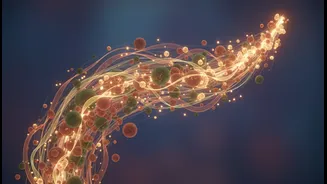
community of microorganisms. Prebiotics, on the other hand, are not alive. They are specific types of dietary fibre that your body cannot digest. Instead, they travel to your colon, where they act as a food source, or 'fertilizer', for the friendly bacteria already living there. This process helps the good microbes flourish.
Why Your Gut Microbes Need Them
When the beneficial bacteria in your gut feed on prebiotic fibres, they ferment them. This process produces beneficial compounds called short-chain fatty acids (SCFAs). These SCFAs are powerhouses for your health. They provide energy for the cells lining your colon, help regulate your immune system, reduce inflammation, and may even aid in the absorption of minerals like calcium. By feeding your gut bacteria, you are essentially helping them do their job better, which supports everything from digestion and metabolism to mood and immunity.
Top Foods Packed with Prebiotics
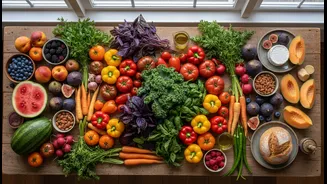
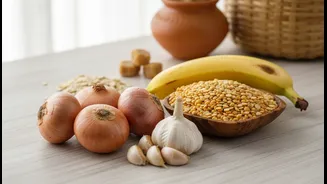
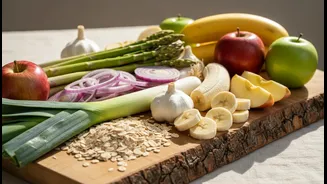
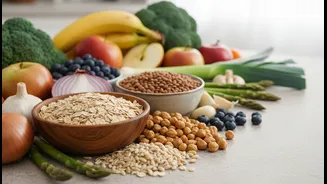
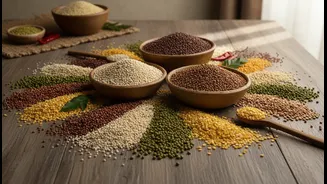
The good news is that prebiotics are naturally present in many delicious and common plant-based foods. You don't need to search for exotic ingredients to get your fill. Some of the most potent sources include garlic, onions, and leeks. Other excellent choices are asparagus, bananas (especially when slightly unripe), apples, oats, barley, and flaxseeds. Legumes like beans, lentils, and peas are also packed with prebiotic fibre. Even foods like Jerusalem artichokes, dandelion greens, and chicory root, while less common, are exceptionally high in prebiotics.
The 'Overall Pattern' Advantage
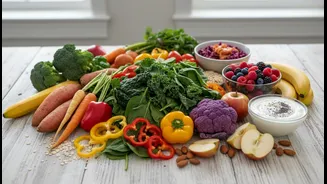
This brings us to the core of the matter: why isn't eating a lone banana enough? The effectiveness of prebiotics is significantly enhanced by the company they keep. A diet rich in a wide variety of plant foods provides not just prebiotics but a whole spectrum of different fibres, vitamins, and antioxidants like polyphenols. Different types of prebiotic fibres feed different strains of beneficial bacteria. Therefore, eating a diverse range of prebiotic sources ensures you're nourishing a wider variety of microbes, leading to a more robust and resilient gut microbiome. Studies suggest that the benefits of prebiotics, such as improved satiety, are more pronounced in individuals who already consume a high-fibre diet. Processed foods, high sugar intake, and excessive alcohol can be toxic to your good gut microbes, counteracting the benefits of any prebiotic foods you eat.
Building a Gut-Friendly Diet
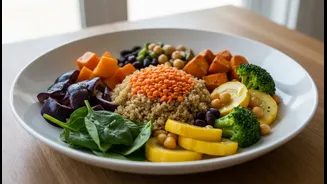
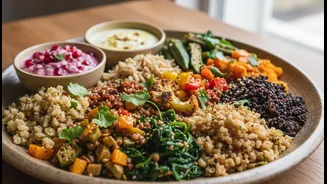
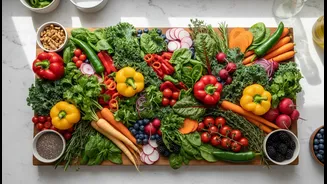
Incorporating prebiotics effectively means thinking about your meals holistically. Start your day with oatmeal topped with banana slices and a sprinkle of flaxseeds. For lunch, have a large salad with mixed greens, beans, and an onion-based vinaigrette. Soups and stews are perfect vehicles for adding barley, lentils, leeks, and garlic. Snacking on an apple with almond butter or adding asparagus to your dinner are other simple strategies. The goal is not to fixate on a single 'superfood' but to build a pattern of eating that consistently includes a rainbow of fruits, vegetables, whole grains, and legumes. When increasing fibre, it's wise to do so gradually and drink plenty of water to allow your digestive system to adjust.