







What Are We Actually Talking About?
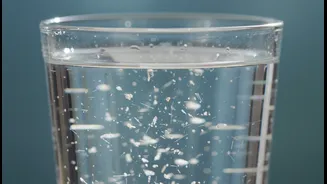
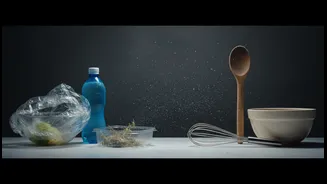
Microplastics are tiny plastic fragments, generally defined as being smaller than five millimeters long. They come from larger plastic items like bottles, bags, and containers that break down over time, as well as from synthetic clothing and even teabags.
Because plastic doesn't biodegrade, it just breaks into smaller and smaller pieces, eventually making its way into soil, water, and the air. These particles have become so widespread that scientists are now finding them in a vast range of foods, from seafood and meat to table salt and bottled water. The concern is not just about the plastic itself, but also about the chemical additives they contain and the environmental pollutants they can absorb and carry into our bodies.
The Journey From Plastic to Plate
So how do these particles end up in the food we eat? There are several key pathways. One of the most significant is food packaging. A 2026 study estimated that thousands of tons of microplastics migrate from packaging into food every year. Items like PET bottles, caps, and takeaway containers are major culprits. Stressors like heating, repeated handling, and long storage times can increase the number of particles released. This is why microwaving food in plastic containers is a major source of exposure, with one study finding that heating can release millions of microplastics and billions of even smaller nanoplastics. Plastic cutting boards are another common source, shedding particles that get mixed into the food you're preparing. Finally, contamination of our water sources means that tap water can contain microplastics, though bottled water often contains significantly more.
What Are the Health Concerns?
This is the question on everyone's mind, and the science is still evolving. However, emerging research is raising red flags. Studies in animals and human cells have linked microplastic exposure to a range of potential issues, including inflammation, immune system disruption, and cell damage. Researchers have found microplastics in various human organs, including the blood, brain, and heart. A recent study even found a link between the presence of microplastics in arterial plaques and a higher risk of heart attack or stroke. While direct cause-and-effect in humans is still being established, the consensus is growing that ingesting these particles is not harmless. They may act as irritants to the digestive system and can serve as vectors for other harmful chemicals like BPAs and phthalates.
Simple Swaps to Reduce Exposure
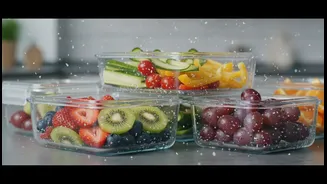
While completely avoiding microplastics is nearly impossible, the goal is reduction, not perfection. Many effective changes start right in your kitchen. First, stop microwaving food in plastic. Transfer leftovers to glass or ceramic containers before heating them. Second, consider your food storage. Swap plastic containers for glass, stainless steel, or ceramic alternatives. Ditch the plastic wrap for reusable options like beeswax wraps or simple aluminum foil. Third, take a look at your cooking tools. A well-loved plastic cutting board can shed countless particles; switch to a wooden or bamboo one. The same goes for plastic utensils like spatulas and spoons, especially when used with hot pans. Opt for wood or metal instead. Finally, rethinking your water source can have a big impact. Using a water filter certified to remove microplastics, such as a reverse osmosis or a multi-stage carbon filter system, can significantly reduce your intake from tap water.
Smarter Choices at the Supermarket
Your purchasing habits can also play a role. When possible, choose fresh, loose fruits and vegetables over those pre-packaged in plastic clamshells or bags. Buying food in bulk can also help reduce the overall amount of packaging you bring home. When you have the choice, opt for products sold in glass jars or metal cans instead of plastic containers. This is especially true for acidic foods like tomatoes, as the acid can increase the leaching of particles. Also, be mindful of single-use beverage containers. People who frequently drink bottled water or other plastic-packaged drinks tend to have higher levels of microplastics in their bodies. Carrying a reusable water bottle made of glass or stainless steel is an easy and effective way to cut down on this source of exposure.