


It Starts with the Paneer
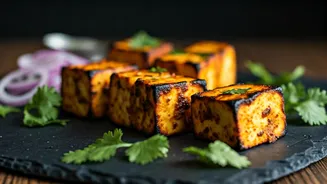
The single biggest mistake in most paneer tikka is the paneer itself. Many restaurants and home cooks reach for the vacuum-sealed blocks from the supermarket, which are often dense and squeaky. To achieve that coveted soft, creamy texture, you need fresh,
high-quality paneer. If you can find a local dairy or Indian grocery store that sells fresh, malai (creamy) paneer, you're already halfway to victory. The alternative? Making your own. It sounds daunting, but it's a simple process of curdling full-fat milk with an acid like lemon juice or vinegar. The resulting paneer is tender and absorbent, acting as the perfect sponge for the marinade. Soaking even good store-bought paneer in hot water for 15-20 minutes before marinating can also help soften it significantly.
The Two-Step Marinade Is Non-Negotiable
Rushing the marinade is a cardinal sin. The secret to deeply flavourful tikka lies in a two-step process. The first marinade is a simple dry rub. After cutting your paneer into cubes, gently toss them with salt, red chilli powder, a pinch of turmeric, and some ginger-garlic paste. Let this sit for about 20 minutes. This initial step seasons the paneer from within. The second marinade is the creamy, yogurt-based coating. The key here is using 'hung curd'—thick yogurt that has been strained of its whey. Regular yogurt will release water during cooking, making your marinade slide off and creating a soggy mess. To make hung curd, simply place plain yogurt in a cheesecloth-lined sieve over a bowl and let it drain in the fridge for a few hours. This thick, cream cheese-like yogurt is the perfect binder for spices like roasted besan (gram flour), garam masala, kasuri methi (dried fenugreek leaves), and a touch of mustard oil for that authentic pungency.
Achieving the Char Without a Tandoor
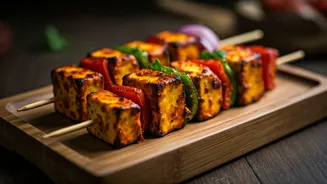
That signature smoky char, or 'tandoori' flavour, seems impossible to replicate in a home kitchen. But you can get surprisingly close. If you have an oven, preheat it to its highest temperature (around 230-240°C) with the grill or broiler function on. Thread the marinated paneer and vegetables (onions, bell peppers) onto metal skewers and place them on a rack, turning them every few minutes until you see charred spots forming. Don't overcook them, or the paneer will dry out. No oven? A cast-iron grill pan on high heat works wonders. The ridges give you beautiful char marks. You can even use a regular tawa or frying pan; just be sure it's screaming hot before you place the paneer. For that final smoky touch, you can use the 'dhungar' method: place a small steel bowl in your pan of cooked tikka, add a piece of red-hot charcoal, pour a drop of ghee over it, and immediately cover the pan for a minute. The trapped smoke infuses the dish with an incredible aroma.
The Supporting Cast Matters
Paneer tikka isn't just about the paneer. The accompanying vegetables are crucial for texture and flavour contrast. Onions and bell peppers (a mix of red, yellow, and green for colour) are classic choices. Cut them into one-inch squares, similar in size to your paneer cubes, so they cook evenly. Don't forget to marinate them, too! Tossing the vegetables in the leftover yogurt marinade ensures they are just as flavourful as the paneer. When skewering, alternate between paneer, onion, and bell pepper. This not only looks appealing but also allows heat to circulate more evenly, preventing the paneer from clumping together and steaming instead of charring. Remember to leave a little space between each piece on the skewer.