


How to Read Your Home’s Light
Before you even think about which plant to buy, become an observer of your own space. Light is the most critical factor for a plant's health, driving its ability to feed itself through photosynthesis. The quality and duration of light in your home change
throughout the day and are dictated primarily by which direction your windows face. You can use a simple compass app on your phone to determine this. North-facing windows provide the gentlest, most consistent light. East-facing windows get soft morning sun. South- and west-facing windows receive the most intense, direct sunlight, especially in the afternoon. Pay attention not just to the direction, but the duration. How many hours of light does a specific spot get?
Decoding the Three Light Levels
Plant tags usually describe light needs in three categories: low, bright indirect, and direct light. 'Low Light' does not mean a windowless room; it means a spot that never receives direct sun, like a dim corner or a north-facing room. 'Bright Indirect Light' is the sweet spot for most tropical houseplants. It's an area that is brightly illuminated for most of the day, but where the sun’s rays don't hit the plant's leaves directly. Think of a spot a few feet back from a south-facing window or near an east-facing one. 'Direct Light' is exactly what it sounds like: several hours of unfiltered, direct sunbeams, typical of a south or west-facing windowsill.
Thriving in Lower Light
If your home has limited natural light, don't despair. Several hardy plants tolerate lower light conditions with grace. It is important to note that 'tolerate' is the key word; these plants may not grow quickly, but they will survive and maintain their foliage. The undisputed champions of low light are the Snake Plant (Dracaena trifasciata) and the ZZ Plant (Zamioculcas zamiifolia). Both are incredibly resilient and can handle infrequent watering, making them perfect for beginners or forgetful owners. Another excellent choice is the Pothos (Epipremnum aureum), whose trailing vines can add a touch of green to shelves and mantels in dimmer parts of a room.
The 'Bright Indirect' Sweet Spot
This is the most common and coveted type of lighting for indoor gardening because it mimics the natural habitat of many popular houseplants that grow under the canopy of larger trees in a rainforest. The list of plants that flourish here is long and varied. The iconic Monstera deliciosa, with its stunning split leaves, is a prime example. Similarly, most Philodendron varieties, Fiddle-Leaf Figs (Ficus lyrata), and Rubber Plants (Ficus elastica) do exceptionally well in bright, indirect light. These plants enjoy the brightness but can suffer from 'leaf burn' or scorching if exposed to harsh, direct sun.
For the Sun Worshippers
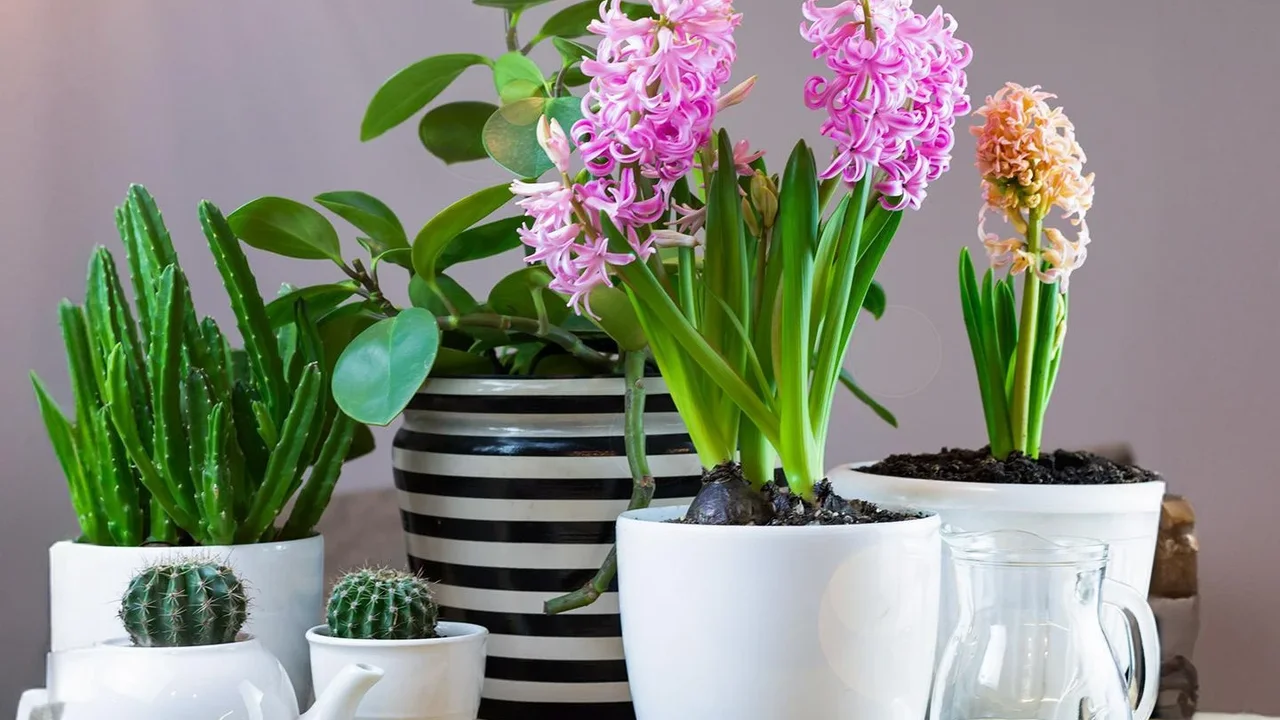
If you have a spot that gets blasted with sun for hours, you have the perfect microclimate for sun-loving species. Most succulents and cacti, which are native to arid, sun-drenched environments, will thrive here. Think of the popular Jade Plant (Crassula ovata) or various species of Aloe Vera. For something with more dramatic foliage, consider the Bird of Paradise (Strelitzia nicolai), which loves direct sun and can make a bold statement. The key is to ensure these plants get at least four to six hours of direct sunlight to stay happy and compact. Without it, they may become stretched and pale.
Look Beyond the Window
Window direction is a great starting point, but it isn't the whole story. Look outside. Are there large trees, buildings, or roof overhangs that block the light? These obstructions can turn a potentially bright south-facing window into a medium or even low-light situation. The size of your window also matters; a large window will disperse light much farther into a room than a small one. Even the colour of your walls can play a role, as lighter-coloured walls will reflect light and brighten a space. By observing your environment holistically, you can move from guessing to knowing, and give your new plant the best possible chance to flourish.