




Why Your Skin Changes in the Monsoon
The defining characteristic of India's monsoon is the dramatic spike in humidity, which can climb to over 80-90%. This moisture-laden air has a profound effect on your skin. According to dermatologists, high humidity signals your sebaceous glands to produce
more oil, or sebum. When this excess oil mixes with sweat, dirt, and pollutants, it creates a perfect storm for clogged pores, breakouts, and a generally dull, greasy complexion. The constant dampness can also weaken your skin's natural protective barrier, making it more susceptible to bacterial and fungal infections, which are extremely common during this season. It’s not just in your head; your skin genuinely behaves differently, and what worked in the dry summer heat will likely fail you now.
Start Fresh: The Power of a Proper Cleanse
Given the buildup of oil, sweat, and grime, cleansing becomes the most critical step in your monsoon routine. Many people make the mistake of using harsh, stripping cleansers to combat the oiliness, but this can backfire by irritating the skin and triggering even more oil production. Instead, opt for a gentle gel-based or foaming cleanser that removes impurities without compromising your skin's moisture barrier. For evenings, consider double cleansing, especially if you wear sunscreen or makeup. Start with a cleansing oil or micellar water to dissolve these products, then follow up with your gentle face wash. This two-step process ensures your skin is truly clean and prepped for the next steps, without feeling tight or dry.
Hydration Without the Weight: Serums are Key
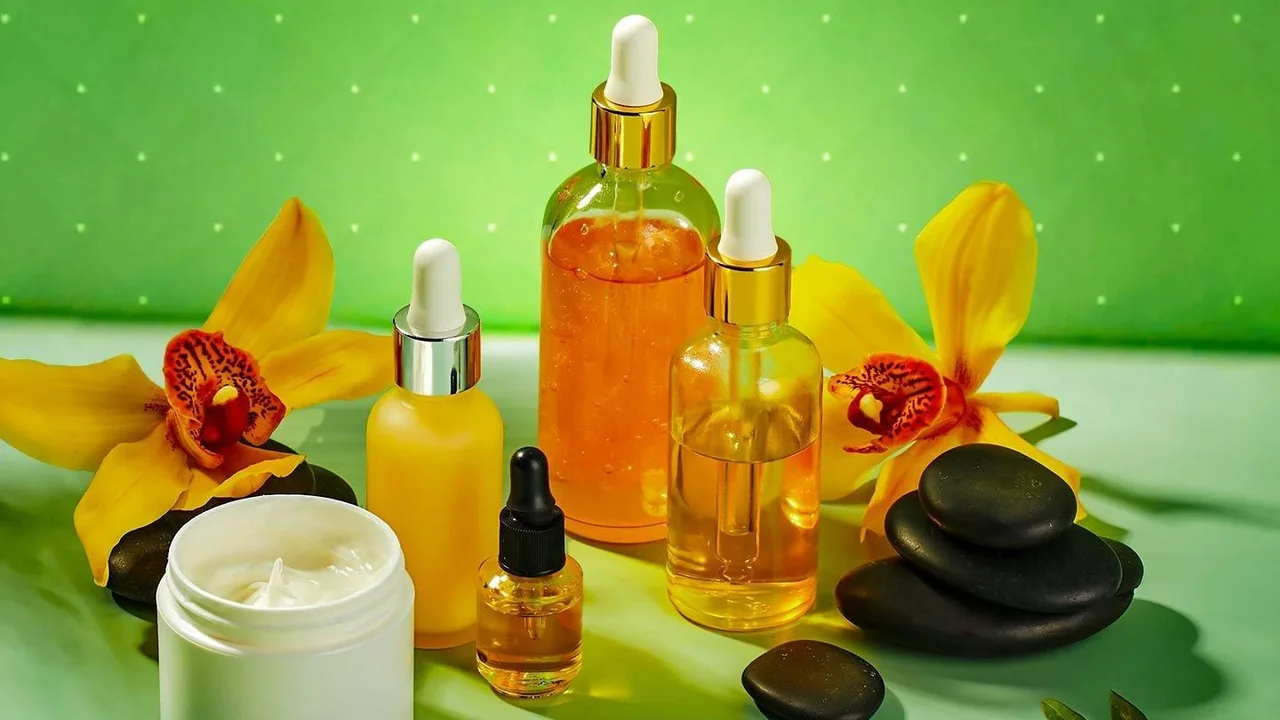
The biggest mistake you can make in humid weather is skipping moisturiser because your skin feels oily. Surface grease does not equal deep hydration; in fact, your skin can be dehydrated underneath it all. This is where layering comes in. Instead of a single heavy cream, the goal is to use multiple, thin layers of water-based products. Start with hydrating serums or essences. Look for products formulated with humectants like hyaluronic acid, which pulls moisture into the skin. Another monsoon hero ingredient is niacinamide, which is celebrated for its ability to regulate oil production, calm inflammation, and strengthen the skin barrier, making it ideal for managing breakouts and redness. Apply your serum to damp skin to lock in even more hydration.
Lock It In: Choose a Gel-Based Moisturiser
Once you’ve applied your hydrating serum, you need to seal it in. This is the step where many go wrong. That rich, creamy moisturiser you loved in the winter will likely feel suffocating in the monsoon, trapping heat and oil. Switch to a lightweight, gel or gel-cream moisturiser. These formulas provide necessary hydration but absorb quickly without leaving a greasy film. Look for products labelled "oil-free" and "non-comedogenic," which means they are specifically designed not to clog pores. Ingredients like ceramides can also be beneficial, as they help repair and support the skin barrier without adding heaviness.
Exfoliate Gently, Not Aggressively
To tackle the dullness and clogged pores that are hallmarks of monsoon skin, regular exfoliation is necessary. However, it’s crucial to be gentle. Avoid harsh physical scrubs, which can cause micro-tears and irritation. Instead, incorporate a chemical exfoliant into your routine one to three times a week. Products containing Alpha Hydroxy Acids (AHAs) like glycolic or lactic acid work on the skin's surface to slough off dead cells. Beta Hydroxy Acids (BHAs), such as salicylic acid, are oil-soluble, meaning they can penetrate deeper into the pores to clear out congestion. This helps prevent breakouts and leaves your skin looking brighter and smoother.
Don't Skip Sunscreen, Even on Cloudy Days
It's a persistent myth that you don't need sunscreen when it's cloudy or raining. The truth is that up to 80% of the sun's harmful UV rays can penetrate through clouds, causing long-term damage like pigmentation and premature ageing. Protecting your skin is a year-round job. During the monsoon, the challenge is finding a sunscreen that doesn't feel like a heavy, sticky mask. Opt for lightweight, gel-based, or fluid sunscreens with a broad-spectrum SPF of 30 or higher. These modern formulas are designed to absorb quickly and provide a matte finish, making them comfortable for daily wear even in the highest humidity.