



More Than a Meal, It's an Offering
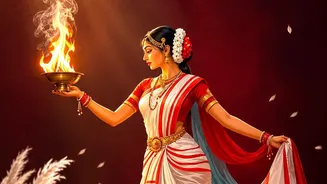
Before it reaches the plates of thousands of devotees, this meal is first 'bhog' – a sacred offering to Goddess Durga. This act of devotion is what imbues the food with a divine significance that transcends taste. Preparing bhog is a ritual in itself,
done with purity of mind and body. This spiritual context elevates the Khichuri and Labra from mere food to 'prasad', a blessed offering shared among the community. The meal symbolizes simplicity, nourishment, and equality, bringing everyone together regardless of social standing to partake in the Goddess's blessings.
The Soulful, Aromatic Khichuri
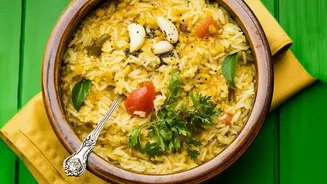
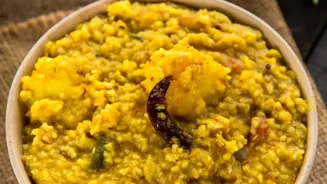
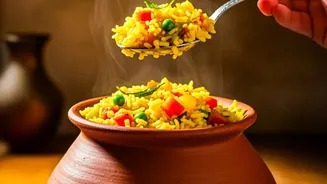
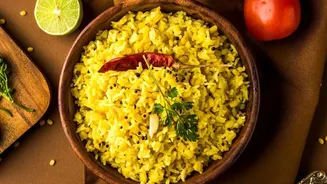
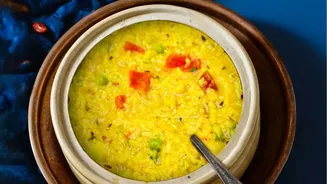
The star of the bhog is undoubtedly the Khichuri, but this is a far cry from a simple rice and lentil mash. It's traditionally made with Gobindobhog rice, a short-grained, aromatic variety from West Bengal that is treasured for its natural buttery fragrance and soft texture. This specific rice is key, as its grains cook to a delightful, slightly sticky consistency that absorbs flavours beautifully. The lentils used are typically moong dal, which is dry-roasted before cooking to impart a nutty, deep aroma. Cooked slowly with ginger and mild spices in pure ghee, the final dish is a gooey, comforting, and incredibly fragrant preparation that is both simple and profoundly satisfying.
Labra, The Perfect Vegetable Medley
Paired with the Khichuri is Labra, a quintessential Bengali mixed-vegetable dish. It’s not a random jumble but a carefully constructed medley of seasonal vegetables like pumpkin, potatoes, eggplant, radish, and beans. The magic of Labra lies in how these diverse vegetables are cooked together yet retain their individual character, creating a symphony of textures and tastes. The flavour profile is distinctly Bengali, characterized by the use of 'paanch phoron'—a five-spice blend of cumin, fennel, fenugreek, nigella, and mustard seeds—which is tempered in mustard oil at the beginning. A hint of sweetness from pumpkin and a touch of sugar balances the earthy spices, making it the ideal companion to the savory Khichuri.
The Magic of 'Niramish' Cooking
A crucial element that defines the unique flavour of Puja bhog is that it is 'niramish', meaning it is cooked without onions or garlic. This style of cooking is aligned with Sattvic principles, considered pure and suitable for religious offerings. The absence of these two dominant aromatics might seem like a limitation, but it is precisely this that allows the true, subtle flavours of the vegetables and spices to shine. The taste of the Gobindobhog rice, the nuttiness of the dal, the sweetness of the pumpkin, and the warmth of ginger and cumin are all more pronounced. This 'pure vegetarian' approach doesn’t just subtract ingredients; it amplifies the inherent taste of everything else, creating a clean, wholesome, and unforgettable flavour profile.
An Experience of Community and Togetherness
Ultimately, the love for bhog extends beyond the plate. It is intrinsically linked to the experience of community dining in a Puja pandal. Sharing a meal, sitting shoulder-to-shoulder with friends and strangers, creates a powerful sense of unity and belonging. In this shared space, social barriers dissolve as everyone partakes in the same blessed food. For many, the taste of Bhog'er Khichuri and Labra is inseparable from the memories of festive cheer, the sound of the dhak, and the joy of celebrating together. It’s a taste of nostalgia, devotion, and the irreplaceable spirit of Durga Puja.