



The Caffeine Kick: A Sprint vs. A Marathon
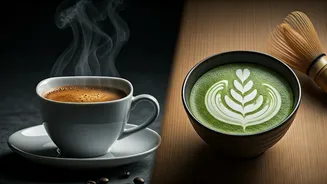
The primary reason most of us reach for a morning brew is for that energy boost, and here, coffee and matcha offer fundamentally different experiences. A typical cup of coffee delivers a quick, powerful jolt of caffeine, often containing 95 to 200 mg.
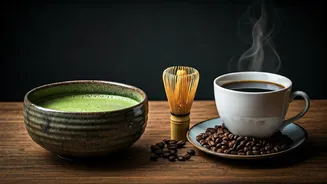
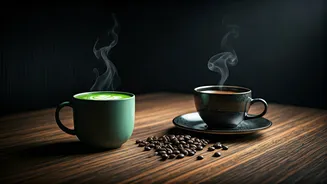
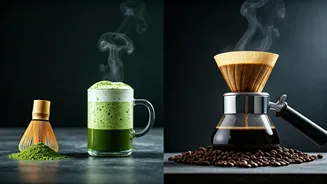
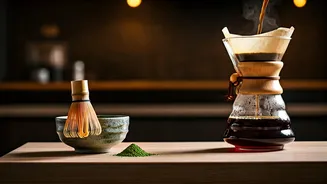
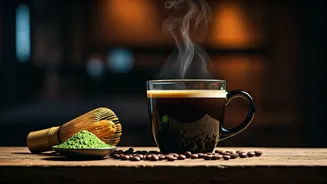
[11] This is because coffee's caffeine is absorbed rapidly, reaching peak concentration in the bloodstream in as little as 15 minutes. [15] It’s a sprint—ideal for shaking off morning grogginess fast. However, this rapid spike can lead to the infamous “caffeine jitters” or a subsequent crash for some. [6, 7] Matcha, on the other hand, plays the long game. While a serving typically has less caffeine (around 38-88mg), it contains a unique amino acid called L-theanine. [7] This compound changes how your body processes caffeine, slowing its absorption and leading to a calmer, more sustained release of energy over 3 to 6 hours. [12] The result is a state of “alert calm”—you’re focused and energised, but without the anxiety or sudden drop-off associated with coffee. [5, 14] This makes coffee the choice for an immediate boost, while matcha is better for prolonged focus.
The Health Halo: Antioxidants and Other Benefits
Both beverages come with significant health credentials. Coffee is rich in antioxidants, particularly polyphenols like chlorogenic acid, which are linked to reduced inflammation and a lower risk of several diseases. [15, 17] Matcha, however, is an antioxidant powerhouse. Because you consume the entire ground leaf, you get a concentrated dose of catechins, especially EGCG (epigallocatechin gallate), which is praised for its potential to boost metabolism and protect cells from damage. [5] Some sources claim matcha has significantly more antioxidants than both regular green tea and coffee. [2, 5] Beyond antioxidants, L-theanine in matcha is known to promote relaxation, increase alpha waves in the brain (associated with a meditative state), and may even help improve sleep quality. [8, 13] Coffee doesn’t have this calming component. [5] Additionally, some find coffee to be acidic, while matcha is often considered gentler on the stomach. [15] And for those concerned with aesthetics, matcha doesn't stain your teeth and may even improve oral health by fighting bacteria. [2]
The Cultural Cachet: Hustle Culture vs. Mindful Wellness
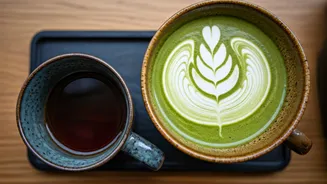
In India, coffee has transformed from a traditional South Indian staple ('kaapi') to a symbol of modern urban life. [18, 20] Since the 1990s, cafe chains have become the backdrop for first dates, business meetings, and freelance work sessions—the so-called 'third place' between home and office. [19, 22] Coffee culture is deeply intertwined with ambition, socialising, and the hustle. It’s the fuel for a fast-paced lifestyle. Matcha is riding a different cultural wave. Its arrival in mainstream Indian cafes around 2021-2022 coincided with a growing global focus on mindfulness and wellness. [21] Driven by health-conscious millennials and Gen Z, and amplified by social media, matcha is positioned as a lifestyle choice. [23, 25] It’s associated with yoga, clean eating, and a more deliberate, calm approach to productivity. While coffee is the established social connector, matcha is the new ritual for mindful self-care. [25, 26]
The Final Sip: Which One Is for You?
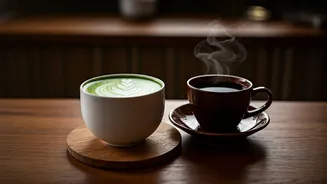
The rise of matcha doesn't signal the end of coffee's reign. India's coffee market is still growing rapidly, expanding from metros into smaller cities. [16, 20] At the same time, the Indian matcha market is projected to grow at a staggering 8.6% annually, becoming a serious category in its own right. [23] This isn't a battle with one winner; it's an expansion of our choices. The decision comes down to your needs at a given moment. Do you need a quick, powerful jolt to kickstart your day and socialise with friends? Coffee remains your reliable partner. Are you looking for sustained, calm focus for a long work session, or a mindful ritual to de-stress? Matcha is your answer. The modern Indian cafe is simply reflecting a new reality: some days call for a sprint, and others demand a marathon. Luckily, we now have the perfect drink for both.