






What Exactly Is Zone 2 Cardio?
Think of exercise intensity on a scale of one to five. Zone 1 is a very light effort, like a casual stroll. Zone 5 is an all-out sprint you can only sustain for a few moments. Zone 2 is the sweet spot in between—a steady, low-intensity pace where your
body is working, but not struggling. It's often called the “conversational pace” because a great way to know you’re in the zone is by using the “talk test”: you should be able to hold a full conversation without gasping for air. If you can easily sing, you’re likely in Zone 1; if you can only manage short phrases, you’ve pushed into a higher zone. This moderate effort typically keeps your heart rate at about 60% to 70% of your maximum.
Why It's a Game-Changer for Desk Workers
For those leading a sedentary lifestyle, Zone 2 training is particularly beneficial. One of its primary advantages is that it trains your body to become more efficient at burning fat for fuel. When you work at this lower intensity, your body primarily uses fat stores for energy instead of relying on more readily available carbohydrates. This improves your metabolic health and can aid in weight management. Furthermore, Zone 2 exercise enhances your mitochondrial function—the powerhouses of your cells. Better mitochondrial health means more efficient energy production, which can combat the fatigue often associated with long hours of sitting. Because it's a lower-impact activity, it also places less stress on your joints and reduces the risk of injury, making it a sustainable practice you can stick with long-term.
How to Find Your Zone 2 Heart Rate
Calculating your personal Zone 2 range is straightforward. The simplest and most common method is to first estimate your maximum heart rate (MHR) by subtracting your age from 220. For example, if you are 40 years old, your estimated MHR would be 180 beats per minute (bpm). Once you have your MHR, calculate 60% and 70% of that number to find the lower and upper ends of your Zone 2. For our 40-year-old, the Zone 2 range would be between 108 bpm (180 x 0.60) and 126 bpm (180 x 0.70). While a heart rate monitor or fitness watch provides the most accurate real-time data, remember that the talk test remains a reliable, tech-free way to gauge your effort.
Simple Workouts That Fit Your Life
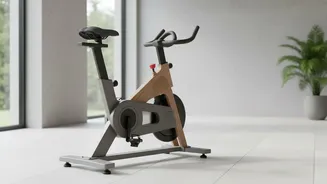
You don't need a fancy gym membership or complex equipment to get your Zone 2 time in. Many accessible activities qualify, as long as you maintain the right intensity. A brisk walk is one of the easiest options; for many, this means a pace of around 5-6.5 km/h. This can be done on your lunch break or by using a walking pad at a standing desk. Other great choices include steady cycling on a stationary bike, using an elliptical or rowing machine at a comfortable pace, or even light jogging where you can still chat. Even activities like briskly mowing the lawn can count. The key isn't what you do, but the steady, moderate effort you maintain throughout the session.
How Much Is Enough?
Consistency is more important than intensity when it comes to Zone 2 cardio. The goal is to build a strong aerobic base. Aiming for two to three Zone 2 sessions per week is a great start. Many experts recommend accumulating at least 150 minutes of moderate-intensity aerobic activity weekly, and Zone 2 training is a perfect way to meet this guideline. A session could be 30 to 45 minutes long, but even a brisk 15-minute walk after lunch can contribute to your weekly total and help break up long periods of sitting. Because these workouts are less taxing, you'll find recovery is quicker, and you can perform them more frequently without feeling burnt out.