


The Lifeline: Asia’s Water Towers
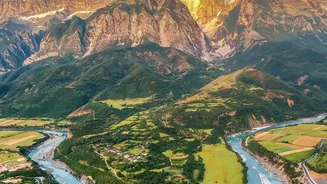
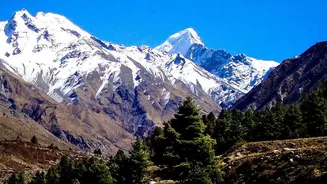
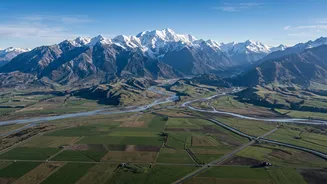
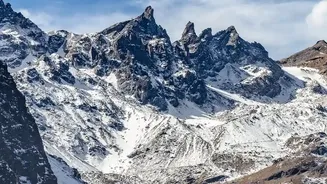
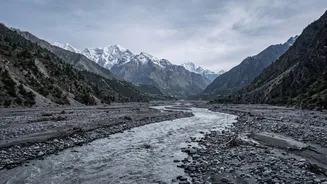
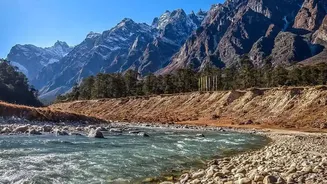
The snow and glaciers of the Himalayas are the source of ten of Asia's largest rivers, including the Ganges, Indus, and Brahmaputra. This vast frozen reservoir, the largest outside the polar regions, provides fresh water for drinking, irrigation, and power
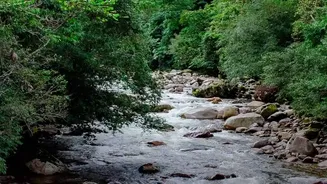
for billions of people across the region. In Nepal, rivers fed by glacial melt and monsoon rains are the nation's lifeblood. They support agriculture, which employs a majority of the population, and fuel the country's ambitions for hydropower, a cornerstone of its economy. This immense water resource is fundamental not just to Nepal's survival, but to the stability of a huge swath of South Asia.
The Curse: When the Waters Turn
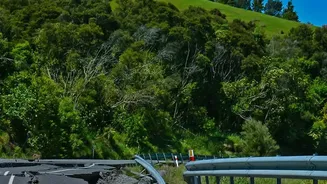
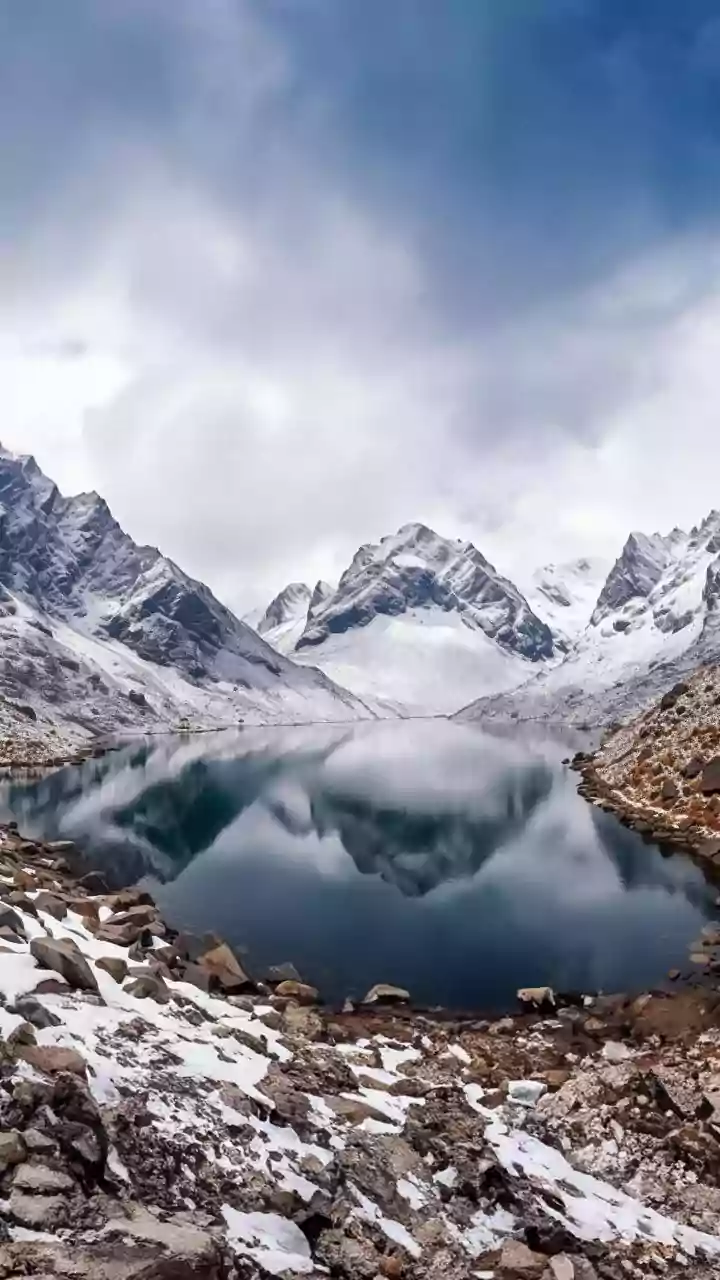
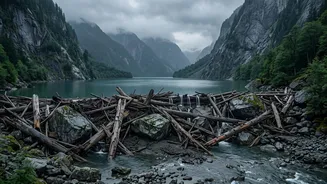
The same mountains that provide this water are also a source of immense danger. Nepal is one of the world's most vulnerable countries to climate change and water-related disasters. The steep, unstable topography makes landslides a constant threat, especially during the monsoon season when heavy rains saturate the soil. These events can block roads, isolate communities, and cause widespread destruction. A particularly terrifying threat comes from the glaciers themselves. As they melt, they form vast lakes dammed only by loose rock and debris. The sudden failure of one of these moraine dams can release a devastating torrent of water, mud, and boulders known as a Glacial Lake Outburst Flood (GLOF). These floods move like liquid concrete, destroying everything in their path with little to no warning.
A Climate Change Amplifier
Climate change is making this precarious situation even worse. The Himalayas are warming at a rate significantly faster than the global average. This accelerates glacial melt, which has two dangerous effects. In the short term, it causes glacial lakes to expand and grow more numerous, dramatically increasing the risk of GLOFs. Dozens of these lakes in Nepal are now considered potentially dangerous. Paradoxically, while the melt increases flood risk now, its long-term consequence is a threat to water security. Scientists warn that as glaciers continue to shrink and disappear, the dry-season flows of major rivers could be severely reduced, impacting everything from farming to hydropower generation in the decades to come.
An Unpredictable Danger
The complex nature of these disasters makes them incredibly difficult to predict. A catastrophic flood in August 2026 that killed over 160 people was initially thought to be caused by an earthquake, but was later attributed to a massive avalanche or landslide that blocked a river. The disaster struck without the precursor of heavy rainfall, rendering typical flood warning systems useless. This event, and others like it, highlights the 'complex chain of hazards' in the Himalayas, where one disaster like a landslide can trigger another, like a flash flood, with devastating consequences for communities downstream. These events can damage or destroy critical infrastructure, including roads, bridges, and the very hydropower projects Nepal relies on for its future.
Walking a Tightrope
For Nepal, navigating this reality is like walking a tightrope. The country is trying to harness its water resources for economic development while simultaneously preparing for disasters of increasing frequency and intensity. Efforts are underway to build resilience. These include installing early-warning systems for floods, attempting to carefully drain some of the most dangerous glacial lakes, and building more robust infrastructure. However, the scale of the challenge is immense. The incidents also highlight the need for cross-border cooperation, as many of the rivers and risks are shared with neighboring China and India. Ultimately, the fate of Nepal's mountains and the millions who depend on them is tied to the global effort to address climate change.