


The Sneaky Threat of Monsoon Dehydration
During India's monsoon season, the air is often saturated with moisture. This high humidity prevents your sweat from evaporating efficiently. Evaporation is the body's primary cooling mechanism, so when it is impaired, your body works harder and sweats
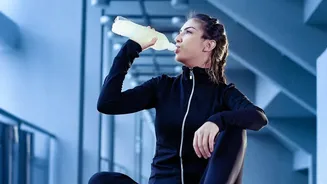
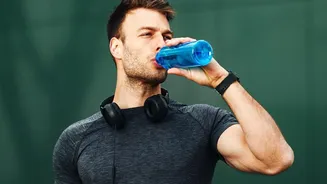
more to try and regulate its temperature. The problem is that because the sweat isn't evaporating, you might not feel as thirsty or realize the significant amount of fluid and essential minerals, or electrolytes, you are losing. This creates a sneaky path to dehydration, which can lead to fatigue, dizziness, and more serious heat-related illnesses, even when the sun isn't blazing. People who exercise outdoors, commute long distances, or work physically demanding jobs are at an even higher risk.
What Are Smart Hydration Patches?
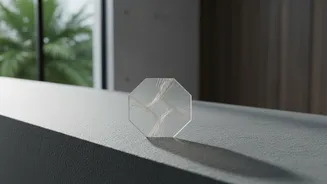
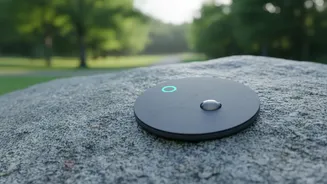
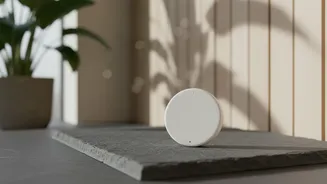
Smart hydration patches are small, adhesive wearable sensors that you stick directly onto your skin, usually on the forearm. These devices are designed to analyze your sweat in real time to give you a personalized picture of your hydration status. Unlike older methods like urine charts or simply guessing based on thirst, these patches provide data-driven insights. The technology is part of a growing trend in personal health monitoring, moving beyond step counters to provide deeper biochemical feedback. While some patches are single-use, like the well-known Gatorade Gx Sweat Patch, other companies are developing reusable sensors that connect to smartwatches or phone apps.
The Science on Your Skin
Most smart patches work by using microfluidics or bioimpedance sensors. Microfluidic patches, the more common type for athletes, have tiny channels that collect a small sample of your sweat. As sweat flows through, it reacts with chemical reagents in the patch to measure key biomarkers. The most important of these are your sweat rate (how much you're sweating) and your electrolyte concentration, particularly sodium. The patch then sends this data wirelessly to a smartphone app. Other patches use bioimpedance, which passes a tiny, harmless electrical current through the skin to measure tissue resistance, which changes based on your body's water content. The app then translates this complex data into simple, actionable advice.
From Data to Decisions
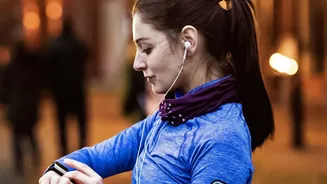
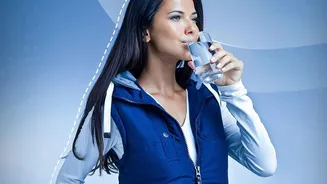
The true power of these patches lies in their ability to provide personalized recommendations. The companion app can tell you how much fluid you have lost and suggest how much you need to drink to rehydrate effectively. Crucially, by analyzing your sodium loss, it can also recommend whether you need plain water or an electrolyte drink to replenish lost minerals. This is particularly useful in humid conditions where you lose a high volume of electrolytes through excessive sweating. For an athlete, this might mean adjusting their hydration strategy mid-run. For a daily commuter, it could be a simple reminder to drink a glass of water and have a banana (a good source of potassium) after a sweaty journey home.
Are These Patches Ready for Everyone?
Currently, this technology is primarily targeted at athletes and is still in its early stages. Accuracy can be a concern; studies have shown that some commercial patches can underestimate sweat and sodium loss, and there can be a failure rate where the patch doesn't collect data correctly. Cost and availability in India are also factors, as many of these products are sold primarily in the US and can be expensive for single-use items. However, the technology is rapidly evolving, with companies like WearOptimo, FLOWBIO, and even Samsung exploring more advanced, reusable, and accurate sensors. As they become more reliable and accessible, their application could broaden to help the elderly, outdoor workers, and anyone looking to better manage their health in challenging climates.