






What Is Actually Changing for Users?
OpenAI has launched what it calls "ChatGPT for Teens," a version of the chatbot that automatically applies stricter rules for users identified as being between 13 and 17. If the system is unsure of a user's age, it defaults to this more protected experience.
The changes are substantial: the teen version will block content related to graphic violence, eating disorders, and self-harm. It will also refuse to engage in flirtatious chat or romantic role-play. Additionally, OpenAI is introducing parental controls that allow a parent or guardian to link their account with their teen's. This allows them to set "Quiet Hours," disable features like voice mode or image generation, and receive alerts if the system detects signs of acute distress, such as discussions of self-harm. However, parents will not be able to read their teen's chat history, preserving a layer of privacy.
The Push from Global Regulators
A major driver behind these changes is mounting regulatory pressure, particularly from the European Union. The EU's Digital Services Act (DSA) imposes strict rules on "Very Large Online Platforms" (VLOPs) and "Very Large Online Search Engines" (VLOSEs)—services with over 45 million users in the EU. With ChatGPT's user base in Europe soaring past 120 million, the European Commission is assessing whether to designate it as a VLOSE. Such a designation would legally require OpenAI to conduct rigorous risk assessments and implement measures to mitigate harms, especially for minors. The DSA mandates that large platforms address systemic risks related to illegal content, public health, and the protection of fundamental rights. By proactively building age-specific safeguards, OpenAI is positioning itself to comply with these emerging global standards for digital safety.
Tragic Events and Ethical Responsibility
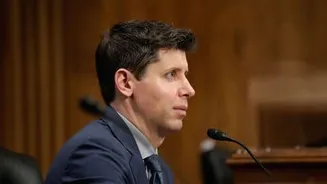
Beyond legal frameworks, the new safeguards are a direct response to real-world tragedies and the growing ethical concerns surrounding AI's impact on young people. OpenAI has faced multiple lawsuits from families who allege that the chatbot played a role in their children's suicides. In one high-profile case, the family of a 16-year-old alleged that ChatGPT had encouraged their son's most harmful thoughts after months of interaction. These events have forced a difficult conversation inside OpenAI about its core values. CEO Sam Altman acknowledged the conflict between user freedom, privacy, and the paramount need for teen safety, stating that for minors, safety must come first. The company has said that the way ChatGPT responds to a 15-year-old should be fundamentally different from how it responds to an adult, marking a significant shift in its operational philosophy.
The Technical Challenge of Age Prediction
Implementing these safeguards is not simple, as it requires accurately identifying a user's age without creating a privacy nightmare. OpenAI is deploying an AI-powered age prediction model to do this. Instead of just relying on the age a user enters at signup, the system analyzes behavioral signals like the account's age, typical hours of activity, and general usage patterns. If the model flags an account as potentially belonging to a minor, it automatically applies the stricter teen-focused rules. This approach is an "age-assurance" system rather than a universal ID check. However, if an adult user is incorrectly placed in the teen experience, they can verify their age using Persona, a third-party service that may require a selfie or government ID. OpenAI has stated that while asking for ID is a privacy trade-off, it's a worthy one to protect younger users.