





The High-Altitude Bottleneck
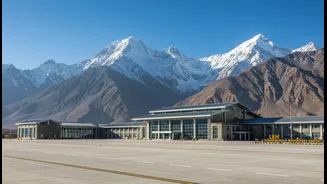
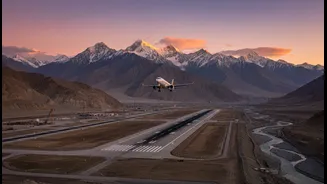
Until now, air travel to Ladakh has been a story of constraints. The Kushok Bakula Rimpochee Airport in Leh, one of the highest commercial airports in the world, has operated with a single, often congested terminal. While a lifeline for the region, its
limited capacity has meant fewer flights, high ticket prices, and a significant bottleneck, especially during the peak tourist season. This has kept road travel—a long and arduous journey through treacherous mountain passes—as a necessary alternative for many, limiting the window for tourism and straining resources.
A New Gateway Takes Shape
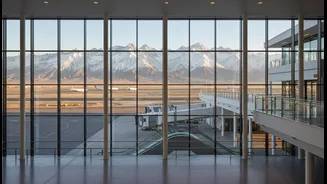
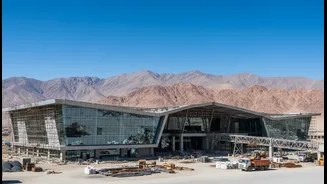
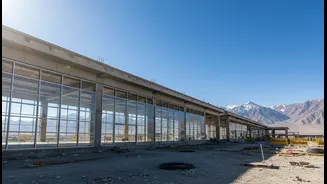
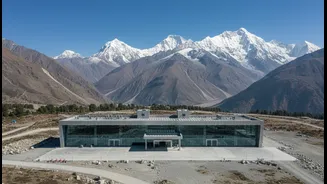
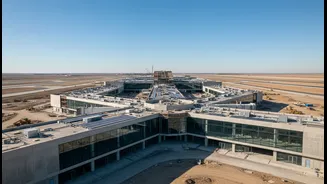
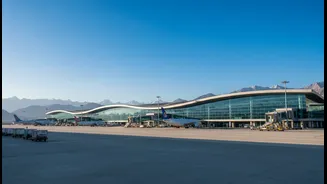
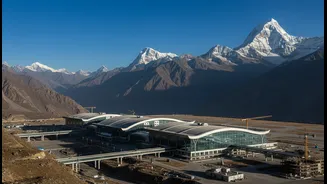
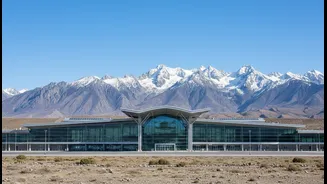
A game-changing development is on the horizon. A new integrated terminal building at Leh Airport is now 83% complete, according to recent statements from the Civil Aviation Ministry. This modern, state-of-the-art facility is a monumental upgrade. Once operational, it is designed to handle up to 54 flights a day, effectively tripling the airport's current capacity. With a projected ability to serve 3.5 million passengers annually and handle 1,000 passengers during peak hours, the new terminal is built for a future where Ladakh is more accessible than ever. While an official commissioning date has not yet been announced, the progress signals a new era for connectivity in the region.
The Multiplier Effect on Tourism
Tripling flight capacity is about more than just convenience; it's an economic catalyst. Increased flight frequency is expected to make travel to Ladakh more affordable and predictable, opening up the destination to a wider demographic of tourists beyond hardcore adventurers. In early 2026, flight operations had already increased to 18 per day in anticipation of the tourist season, a move welcomed by local stakeholders who had seen a decline in visitors. This enhanced connectivity will likely boost the local economy, support hospitality businesses, and create more livelihood opportunities.
More Than Just Leh
The expansion story isn't limited to Leh. India is also upgrading other high-altitude airfields in Ladakh, primarily for strategic reasons, but with potential dual-use benefits. The Nyoma Advanced Landing Ground, for instance, located near the Line of Actual Control, has been upgraded to a full-fledged airbase capable of handling fighter and heavy-lift aircraft. While its main purpose is military, officials have noted its potential to serve as a hub for civilian flights in the future, which could open up remote eastern Ladakh to tourism. Similar developments at airfields like Fukche further build a network of air infrastructure that could one day support a more distributed tourism model.
The Sustainability Challenge
While enhanced access promises significant economic benefits, it also brings pressing challenges. Ladakh's fragile ecosystem is already under strain from climate change and the existing levels of tourism. An influx of visitors will further tax limited resources, particularly water, and could exacerbate issues like waste management and pollution. The key question is whether the region can grow its tourism sector sustainably. There is a growing movement within Ladakh, led by local communities and environmental advocates, pushing for responsible tourism that prioritizes conservation and cultural preservation over sheer volume. The government has also launched initiatives aimed at promoting Ladakh as an eco-tourism destination.