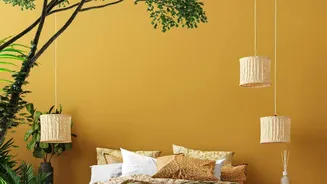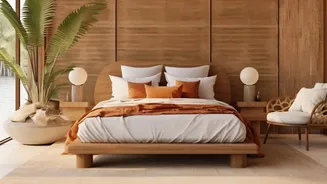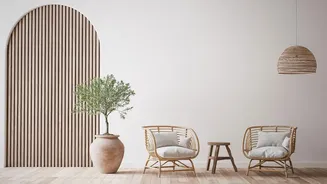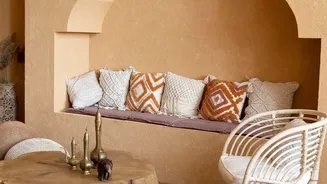



Meet the Bio-Material Movement
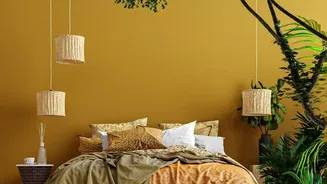
The latest shift in interior design is all about embracing materials that are not just inspired by nature, but are nature. Forget plastics that imitate wood; this trend uses raw, minimally processed, and often biodegradable elements to craft everything
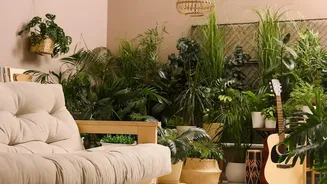
from lampshades to wall panels and decorative objects. At the forefront is mycelium, the root-like network of fungi, which can be grown on agricultural waste and shaped into lightweight, velvety-textured items. Alongside it are materials like cork, unsealed woods, clay plasters, and pressed botanicals. This approach, often linked to biophilic design, is about bringing authentic, tactile, and living textures into our homes, creating spaces that feel grounded and healthier.
A Major Win for Sustainability
The appeal of these materials goes far beyond their unique aesthetic. Their environmental credentials are a significant part of the story. Mycelium, for instance, is grown, not manufactured, using minimal energy and turning agricultural byproducts into valuable goods. At the end of its life, it is fully compostable, returning to the soil without a trace. Similarly, materials like cork are harvested from the bark of trees without harming them, and natural clay plasters are a breathable, non-toxic alternative to synthetic paints and gypsum. By choosing these items, consumers are moving away from decor made with petrochemicals and formaldehyde-laden glues, reducing indoor air pollutants and supporting a circular economy where waste is eliminated.
The Humidity Connection Explained
There is a crucial trade-off for all this natural beauty: a sensitivity to moisture. Unlike sealed, synthetic materials, these porous, breathable objects interact with the air around them. In high humidity—a common reality during Indian monsoons—materials like raw wood and mycelium can absorb moisture, leading to swelling, warping, or even mould growth. Conversely, in very dry, air-conditioned environments, they can lose moisture too quickly, resulting in brittleness and cracking. This is because they are not coated in plastic or heavy sealants, which is part of their sustainable appeal. This direct relationship with the environment means that maintaining a balanced indoor humidity level is essential to their longevity.
Mastering Moisture in Your Home
Keeping these stunning pieces in top condition doesn't require a science degree, just a little mindfulness. Start by investing in a simple, inexpensive hygrometer to monitor your home’s relative humidity. For many parts of India, especially during the monsoon, a dehumidifier is a worthy investment to keep humidity levels in the ideal 40-60% range. Running the 'dry mode' on your air conditioner can also help significantly. Conversely, if your home gets very dry in winter, a humidifier may be needed. Good ventilation is key; use exhaust fans in kitchens and bathrooms to remove moisture at the source. Also, be strategic about placement. Avoid putting these sensitive items in damp bathrooms or directly against walls where air circulation is poor.
Is This Natural Trend Right for You?
Embracing bio-materials is a rewarding choice for those who appreciate natural aesthetics and want to make more sustainable purchasing decisions. It requires a slight shift in mindset from a 'set it and forget it' approach to one of active care and awareness of your home's environment. The payoff is a space filled with unique, characterful objects that are healthier for both you and the planet. If you're willing to pay a bit more attention to humidity, you can successfully integrate these beautiful, living materials into your home and enjoy them for years. It's a small effort for a home that truly feels alive.