



The Era of the Immaculate Interior
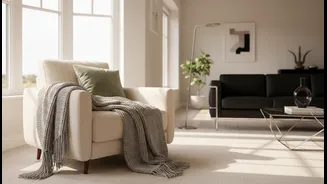
For the better part of a decade, a specific look dominated interior design: the strictly curated aesthetic. Think of spaces that look more like showrooms than actual homes, defined by stark minimalism, neutral palettes of grey and beige, and an almost
complete absence of personal clutter. Driven by social media and a 'less is more' philosophy, this style prioritized a clean, almost sterile appearance where every object had a precise place, creating what many designers now call a "catalog-perfect" uniformity. This often meant hiding away personal mementos, sticking to matching furniture sets, and creating an environment that, while visually clean, could feel cold, impersonal, and unlivable. The goal was a kind of visual perfection that, for many, became difficult to maintain and emotionally disconnected from the realities of daily life.
A Welcome Shift Toward Comfort
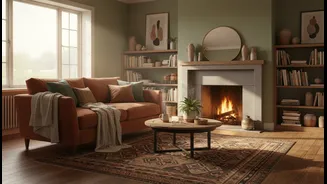
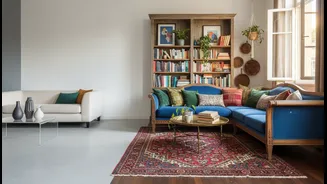
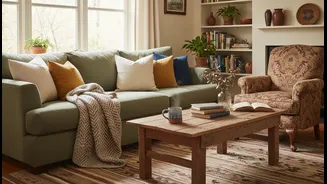
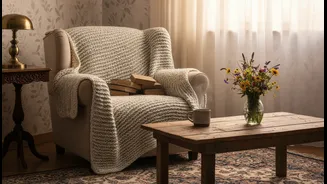
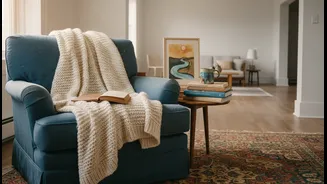
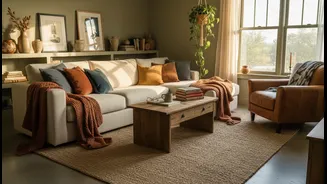
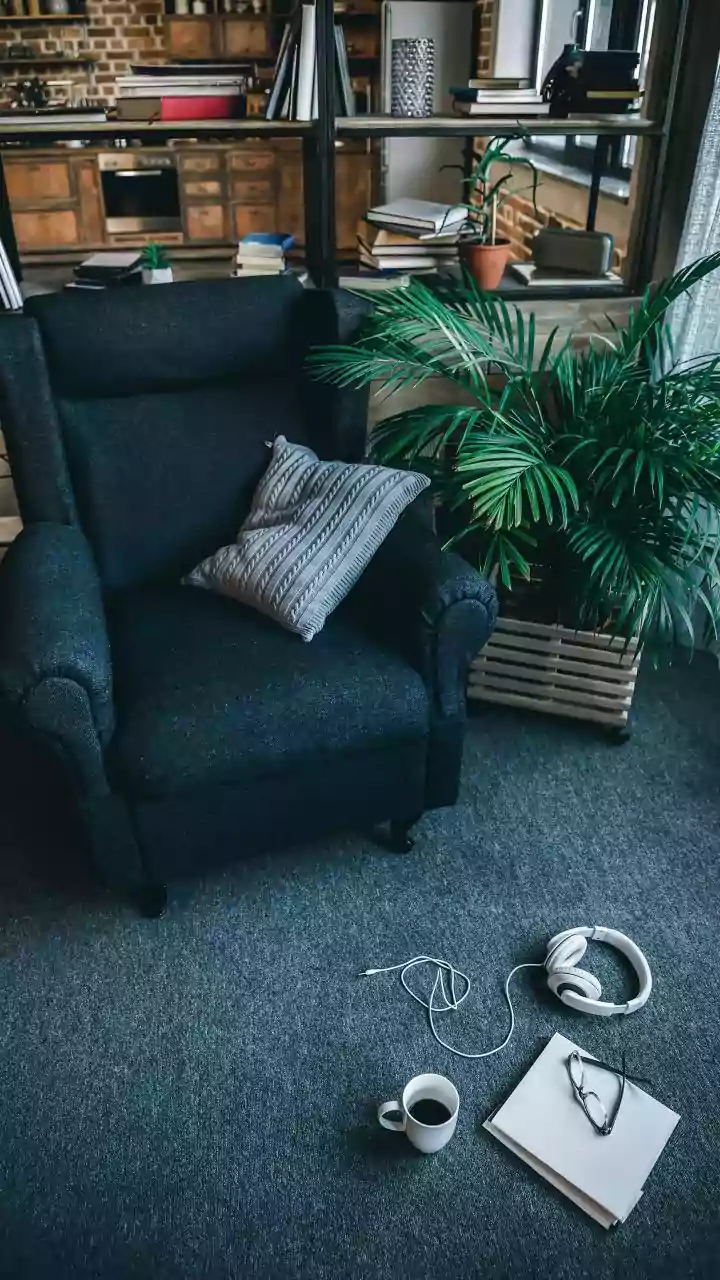
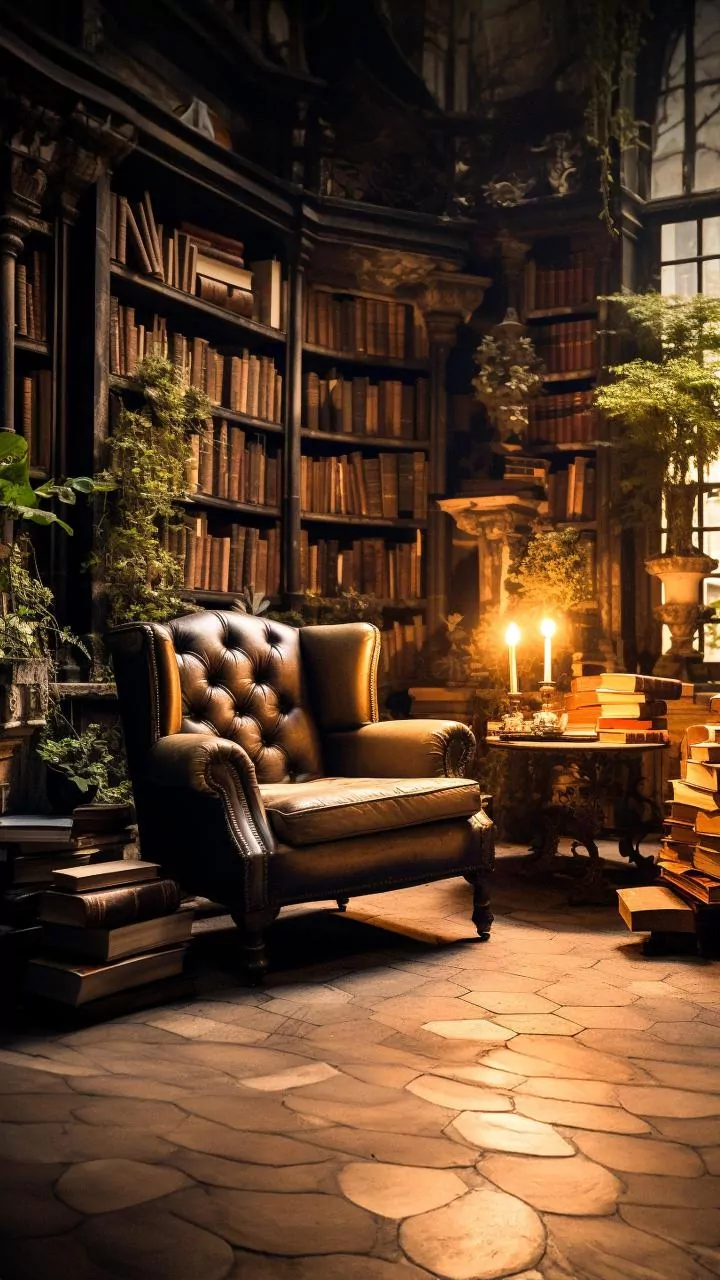
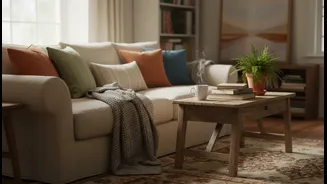
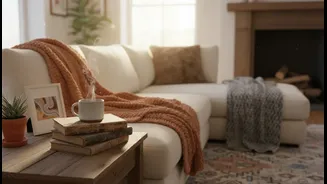
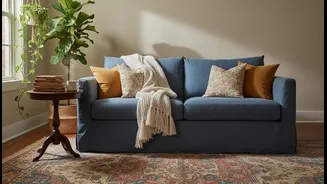
In response to the rigidity of minimalism, a new wave of relaxed styling has emerged. This movement champions interiors that are warm, personal, and inviting. It goes by many names—soft minimalism, modern cottage, or simply 'lived-in' design—but the core idea is the same: creating a home that tells a story and prioritizes emotional comfort. This aesthetic encourages mixing old and new, layering textures like linen and bouclé, and incorporating curved furniture that softens hard angles. Instead of hiding personal items, this style celebrates them. Collections, meaningful objects, and even a little bit of happy clutter are welcome, making a space feel authentic and unique to its inhabitants.
Why We're Craving 'Real' Spaces
Several factors are fueling this departure from perfection. The pandemic played a significant role, forcing us to spend more time at home and reconsider our living spaces as multifunctional sanctuaries for work, rest, and play. This sparked a desire for homes that are not just beautiful but also functional and emotionally supportive. There's also a growing rejection of the unrealistic standards set by social media, with a conscious move toward authenticity and well-being. Homeowners are now less interested in impressing guests or followers and more focused on creating environments that bring them joy and reduce stress. This trend, sometimes called 'dopamine decor,' is about using color, pattern, and personal items to craft a space that actively boosts your mood.
How to Embrace the Relaxed Look
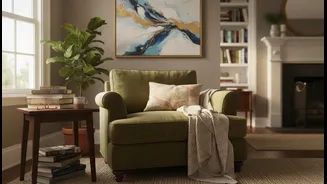
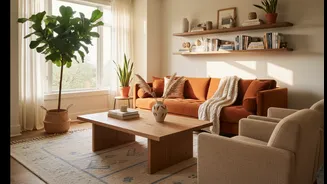
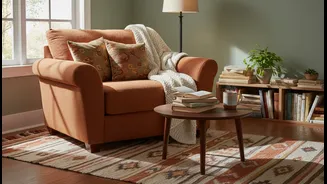
Adopting a more relaxed style doesn't mean abandoning design principles; it means personalizing them. Start by swapping stark whites and cool greys for warmer, nature-inspired neutrals like cream, terracotta, and olive green. Introduce a variety of textures through rugs, throw pillows, and curtains to add depth and coziness. Don't be afraid to mix furniture styles and eras; a vintage armchair can coexist beautifully with a modern sofa. Most importantly, display the things you love. Whether it's a gallery wall of family photos, a collection of pottery, or books stacked on a side table, these personal touches are what transform a house into a home. The key is to choose pieces that have meaning to you, creating a space that feels collected over time rather than styled in a day.