







Your Financial Safety Net
Unexpected expenses and disruptions are a hallmark of the monsoon season. [17] Heavy rains can lead to power outages, affecting digital payments and ATM services. To avoid being caught off-guard, it's wise to build a small financial safety net. Keep a modest
amount of cash at home for essential purchases when digital transactions fail. Ensure your power banks and rechargeable devices are fully charged to keep your communication lines open. [2] It's also a good time to review your insurance policies. A comprehensive motor insurance plan can be crucial if your vehicle is damaged by flooding or falling trees. [10] Similarly, check if your home insurance covers water-related damage like leaks and seepage. [16] Finally, store important financial documents, such as insurance papers, property deeds, and identification cards, in waterproof bags and in an easily accessible place in case of an emergency. [19]
Navigating Treacherous Roads
Driving during the monsoon is a significant challenge due to reduced visibility, slippery surfaces, and flooded streets. [7, 8] Before the season peaks, get your vehicle monsoon-ready. Check your tyres for adequate tread depth, as worn tyres can easily skid on wet roads. [4, 7] Ensure your brakes, headlights, and windscreen wipers are in perfect working condition. [4, 8] When you're on the road, slow down and maintain a greater distance from the vehicle in front of you, as braking distances increase on wet surfaces. [2, 7] Driving through waterlogged areas should be avoided if possible. [3, 6] If you must proceed, drive in a low gear at a steady, slow speed to create a bow wave and prevent water from entering the exhaust or engine. [5, 13] Never try to restart a car that has stalled in deep water, as this can cause severe engine damage. [3, 6] It's also smart to keep an emergency kit in your car, including a torch, a first-aid kit, a towel, and some snacks and water in case you get stranded in traffic jams, which are common during downpours. [2]
Fortifying Your Home and Health
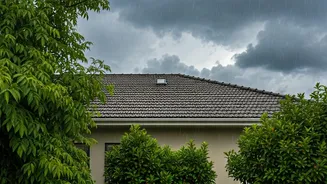
Your home is your sanctuary, but the monsoon can expose its vulnerabilities. A pre-monsoon check is essential. Inspect your roof and walls for any cracks or leaks that could let water in and get them sealed. [15, 18] Clogged drains and gutters are a primary cause of localised flooding, so ensure they are clean and clear before the heavy rains begin. [14, 21] Inside, protect wooden furniture from swelling by keeping it away from damp walls and using moisture absorbers like silica gel packs in closets. [14, 18] Power cuts are frequent, so prepare an emergency kit with essentials like a flashlight, spare batteries, candles, a first-aid kit, and a stock of non-perishable food and clean drinking water. [22] The rainy season also brings a spike in waterborne and mosquito-borne diseases like dengue, malaria, and gastroenteritis. [24] To protect your family, ensure you drink boiled or purified water, keep your surroundings clean to prevent mosquito breeding in stagnant water, and avoid eating street food that may be contaminated. [24]
Staying Connected and Informed
In a crisis, information is your most valuable asset. During storms and heavy rainfall, electrical systems can be at risk. [18] Use surge protectors for valuable electronics to shield them from voltage fluctuations. It's best to unplug appliances during a thunderstorm to prevent damage from lightning strikes. [11] Since mobile networks can be unreliable and power can be out for extended periods, keeping devices charged is a priority. Use a fully charged power bank as your backup. [2] Before you travel, check weather updates and traffic conditions using reliable apps or local news channels. [3, 6] It’s also a good idea to download offline maps for your frequent routes in case you lose internet connectivity while on the move. Having a list of emergency contact numbers—including local disaster management authorities, hospitals, and repair services—handy can save precious time.