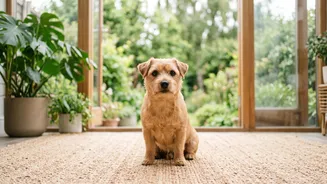




Why Size Matters for Longevity
It’s a well-documented phenomenon in the canine world: smaller dogs generally live longer than their larger counterparts. While across the animal kingdom bigger often means a longer lifespan (think elephants versus mice), dogs are a curious exception.
Scientists believe this is linked to the rate of growth. Large breeds grow incredibly fast, which is thought to put more stress on their bodies and may lead to a higher risk of abnormal cell growth. This rapid aging process means that a giant breed might be considered a senior at just six or seven years old, whereas a small dog often doesn't reach that stage until age 10 or 12.
Chihuahua: 14-16 Years
Chihuahuas are renowned for their impressive longevity, frequently living well into their teens. The typical lifespan for this tiny breed is between 14 and 16 years, with some individuals even reaching 20. Their long life is attributed to their small stature, but also depends heavily on quality of care. They are prone to certain conditions like dental disease and heart problems, making regular vet check-ups essential for a full, healthy life.
Shih Tzu: 10-16 Years
The Shih Tzu, another popular small companion, has an average life expectancy of 10 to 16 years. This is a broad range that can be influenced by a number of factors. While many live long lives, this breed is brachycephalic (flat-faced), which can lead to breathing difficulties. They are also susceptible to eye and dental problems. Attentive care, especially regarding their grooming and facial hygiene, plays a big role in their overall health and longevity.
Pomeranian: 12-16 Years
Fluffy and spirited, the Pomeranian typically lives for 12 to 16 years. Like other toy breeds, their small size contributes to their longer-than-average lifespan. However, they are prone to specific health issues like luxating patellas (dislocating kneecaps) and tracheal collapse, a condition affecting the windpipe. Responsible breeding and careful management by owners can help mitigate these risks.
Lhasa Apso: 12-15 Years
Originally bred as watchdogs in Tibetan monasteries, the sturdy Lhasa Apso has an average lifespan of 12 to 15 years, with some living even longer. One recent study even noted a median lifespan of 14 years for the breed. While generally robust, they can be prone to genetic conditions affecting their kidneys and eyes. Their long coat also requires regular grooming to prevent skin issues.
Pug: 12-15 Years
With their charmingly wrinkled faces, Pugs have an expected lifespan of 12 to 15 years. Despite their potential for a long life, their health is significantly impacted by their brachycephalic features, which can cause serious breathing problems. They are also prone to obesity, which can shorten their lives. Maintaining a healthy weight and being mindful of their breathing, especially in hot weather, are critical for Pug owners.
Beagle: 12-15 Years
Beagles straddle the line between small and medium-sized, but their lifespan aligns with many smaller breeds, averaging 12 to 15 years. These hounds are generally healthy but are famously prone to obesity due to their love of food. They can also suffer from conditions like hypothyroidism and epilepsy. Keeping them active and monitoring their diet is key to helping them reach the upper end of their age range.
How to Support a Longer, Healthier Life
While genetics and breed set a baseline, an owner's care has a profound impact on a dog's lifespan. Maintaining a lean, healthy body weight is one of the most effective things you can do, as studies show being overweight can reduce lifespan. A balanced diet, regular exercise appropriate for their age and breed, and consistent preventive veterinary care are also crucial. Don't overlook dental health; regular brushing and professional cleanings can prevent infections that may affect other organs. Finally, providing mental stimulation through training and puzzle toys helps keep their minds sharp and contributes to a better quality of life as they age.