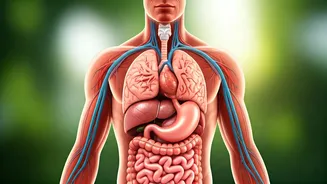









The Domino Effect of Diet
What you eat does more than just influence your weight; it’s the fuel for your entire system, directly impacting your brain and mood. A diet high in fruits, vegetables, and whole grains is linked to better mental health, while processed foods and refined
sugars can worsen symptoms of depression and anxiety. This is because your gut produces about 95% of your body's serotonin, a key neurotransmitter for regulating mood, sleep, and appetite. So, that thali packed with colourful vegetables isn't just good for your waistline; it's actively supporting your emotional balance. Poor nutrition can also disrupt sleep patterns, and when you're tired, you're more likely to reach for unhealthy comfort foods, creating a vicious cycle.
Exercise is a Mental Health Tool
Physical activity is often seen as a tool for physical transformation, but its most profound effects might be on the mind. Regular exercise is a powerful mood booster, stimulating brain chemicals like endorphins that leave you feeling happier and less anxious. It also helps manage stress by providing a healthy outlet for negative emotions and lowering levels of the stress hormone cortisol. The benefits don't stop there. Exercise improves sleep quality, which in turn enhances mental clarity and emotional resilience. It even strengthens the parts of the brain responsible for memory and learning. Thinking of your morning walk or yoga session not just as exercise but as essential mental maintenance can be a powerful motivator.
Sleep: The Unsung Hero of Health
Sleep isn't a passive state of rest; it’s a critical period for repair and regulation. When you don't get enough quality sleep, it throws multiple systems out of balance. Sleep deprivation can disrupt the hormones that control your appetite, making you feel hungrier and crave high-calorie foods. It also impairs cognitive function, leaving you feeling foggy and unfocused. Over time, a lack of sleep elevates stress reactivity, making it harder to cope with daily challenges and creating a feedback loop where stress further disrupts sleep. Prioritising a consistent sleep schedule is one of the most effective ways to support your physical, mental, and emotional health simultaneously.
Stress: The Silent Saboteur
Chronic stress can quietly undermine all your other healthy habits. When you’re constantly stressed, your body produces excess cortisol. This hormonal state can increase cravings for sugary and fatty foods, disrupt sleep, and decrease your motivation to exercise. It places a greater demand on your body for energy and nutrients, potentially leading to deficiencies if you're not eating well. Effectively managing stress through practices like mindfulness, meditation, or simply spending time in nature is not a luxury; it’s a necessity for allowing your other wellness efforts to succeed. Recognizing the physical toll of stress is the first step toward mitigating its impact.
Embracing the Ripple Effect
Understanding this interconnectedness can feel overwhelming, but it’s actually good news. It means you don’t have to overhaul your entire life at once. Instead, you can focus on one small change and let the positive ripple effects spread. This is the power of a “keystone habit”—a single practice that triggers a cascade of other good behaviours. For many, starting a regular exercise routine is a powerful keystone habit. It often leads to better food choices, improved sleep, and reduced stress. For others, it might be tracking their meals or meditating for ten minutes a day. The key is to pick one small, manageable habit that feels like a win. This small victory builds momentum and makes it easier to adopt other healthy practices.