






As seasons change, so should our skincare. The arrival of colder, drier weather poses a direct threat to our skin's health by attacking its most important line of defense: the natural moisture barrier.
Understanding Your Skin’s Moisture Barrier
Think of your skin's moisture barrier, also known
as the stratum corneum, as a brick-and-mortar wall. The 'bricks' are your skin cells (corneocytes), and the 'mortar' is a mix of natural lipids like ceramides, cholesterol, and fatty acids that hold everything together. This barrier has two critical jobs: to keep water locked inside your skin, maintaining hydration, and to keep harmful elements like pollutants and irritants out. A healthy, functioning barrier is what gives skin its soft, smooth, and resilient quality. When this barrier is compromised, it can no longer effectively retain moisture, leading to a cascade of issues.
Why Winter Is the Enemy of Healthy Skin
Winter wages a multi-front war on your skin. The primary culprit is the dramatic drop in humidity. Cold air simply holds less moisture than warm air. This dry environment essentially pulls water from your skin's surface in a process called transepidermal water loss (TEWL). The situation is made worse by indoor heating, which further dries out the air, accelerating this moisture loss. This constant environmental stress strips the natural oils from your skin, weakening the 'mortar' in your barrier and leaving it vulnerable. Signs of a damaged barrier include tightness, redness, flaking, itchiness, and a new sensitivity to products you normally tolerate.
Tip 1: Switch to a Gentler Cleanser
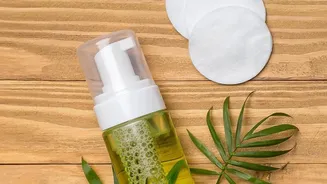
The first step in a winter-proof routine is rethinking your face wash. Many foaming and gel cleansers that feel refreshing in the summer can be too harsh for colder months, stripping away the essential lipids that keep your barrier intact. Instead, opt for a cream, oil, or milky cleanser. Look for formulas described as 'gentle' and 'moisturizing' and avoid products containing alcohol, which can be excessively drying. The goal is to cleanse your skin without leaving it feeling tight or stripped. Remember to use lukewarm, not hot, water, as high temperatures can also deplete your skin's natural oils.
Tip 2: Layer Hydrating Serums
To combat the drying effects of winter air, you need to actively add water back into your skin. This is the job of humectants—ingredients that attract and bind water molecules. The most wellknown humectant is hyaluronic acid, which can hold many times its weight in water, but glycerin, panthenol, and urea are also effective. A hydrating serum should be applied to slightly damp skin after cleansing to maximize its effect. Think of this step as stocking the skin's reservoir with moisture that your next step will seal in.
Tip 3: Lock It In With a Richer Moisturizer
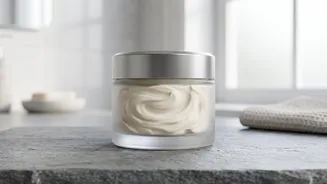
A moisturizer's job in winter is twofold: to soften the skin and to create a seal that prevents moisture from escaping. Most effective moisturizers combine three types of ingredients: humectants (to draw water in), emollients (to soften and repair), and occlusives (to seal). For winter, you may need to switch to a thicker cream that is rich in emollients like ceramides, shea butter, and squalane. Ceramides are particularly crucial as they are a key component of the skin's natural 'mortar' and help rebuild a compromised barrier. Occlusives like petrolatum or dimethicone form a protective film on the surface to lock everything in.
Tip 4:
Don't Skip the Sunscreen
It's a common misconception that sunscreen is only for sunny summer days. UV rays are present yearround, even when it's cold and cloudy, and they contribute to damaging the skin barrier. Sun exposure can weaken skin, making it even more susceptible to the irritating effects of cold,
dry air. Make applying a broadspectrum sunscreen with at least SPF 30 the final step of your morning routine every single day,
without exception. Consider it nonnegotiable protection for your skin's longterm health.