







Redefining Rest: Active vs. Passive Recovery
For many, a rest day means collapsing on the sofa, and that's not wrong—that's called passive recovery, and it's essential. It's a complete break from physical training that allows your nervous system and joints to fully relax. However, there’s another
powerful tool: active recovery. This involves low-intensity movement like a gentle walk, stretching, or yoga on your days off. Active recovery boosts blood flow, helping to deliver nutrients and clear out waste products that cause muscle soreness, which can significantly speed up your body's repair process. Incorporating both types of recovery is key; passive rest provides a total reset, while active recovery keeps the body nimble and accelerates healing.
The Science of Sleep
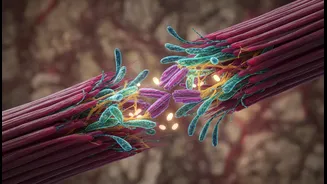
Sleep is the most powerful and underrated recovery tool you have. It's not just about getting eight hours; it's about getting quality sleep where the real magic happens. During deep sleep, your body releases a significant pulse of Human Growth Hormone (HGH), which is vital for repairing the microscopic tears in muscles caused by exercise. At the same time, adequate sleep helps regulate hormones by boosting testosterone and keeping the stress hormone cortisol in check. Chronic sleep deprivation can flip this balance, increasing cortisol, which breaks down muscle tissue, and hindering your fitness progress. Think of sleep not as downtime, but as the time your body is actively rebuilding and getting stronger.
Fuel Your Recovery Through Nutrition
What you eat after a workout is just as important as the workout itself. Nutrition provides the building blocks your body needs to repair and refuel. Protein is the star player, providing the essential amino acids necessary to mend muscle fibers and build them back stronger. But don't forget carbohydrates. They are crucial for replenishing your muscle glycogen—the primary fuel source you burn during exercise. A post-workout meal or snack that combines both protein and carbs can optimize glycogen synthesis and support the hormones needed for muscle growth. Proper hydration is also a non-negotiable part of recovery, as water helps transport these vital nutrients throughout your body.
Don't Underestimate Mental Rest
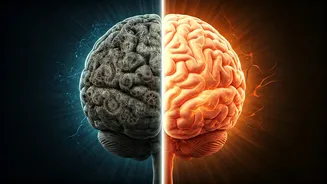
Fitness isn't just physical; your mental state plays a huge role. Chronic stress—from work, life, or even the pressure to perform—can sabotage your recovery. When you're stressed, your body produces excess cortisol, which can lead to increased muscle tension, disrupt sleep, and slow down tissue repair. This is why smart rest must also include mental recovery. This can mean different things for different people: meditation, reading a book, spending time in nature, or simply unplugging from screens. These activities help calm your nervous system, pulling you out of the constant 'fight or flight' state and allowing your body to shift into a 'rest and digest' mode where true recovery can happen.