



The Great Escape from Light Pollution
For most of us living in urban and suburban areas, the night sky is a washed-out, greyish canopy with only a handful of the brightest stars visible. This is the effect of light pollution, the pervasive glow from streetlights, buildings, and advertising
that blankets our cities. More than just an annoyance for amateur astronomers, this artificial brightness has effectively erased our connection to the cosmos. An estimated 80% of the world's population lives under a light-polluted sky, unable to see the Milky Way with the naked eye. This loss is driving a counter-movement: travellers are actively seeking out places where the darkness is as much of an attraction as the local cuisine or landscape. This desire to trade city glow for starlight is the heart of astrotourism.
What Exactly Is a Dark Sky Spot?
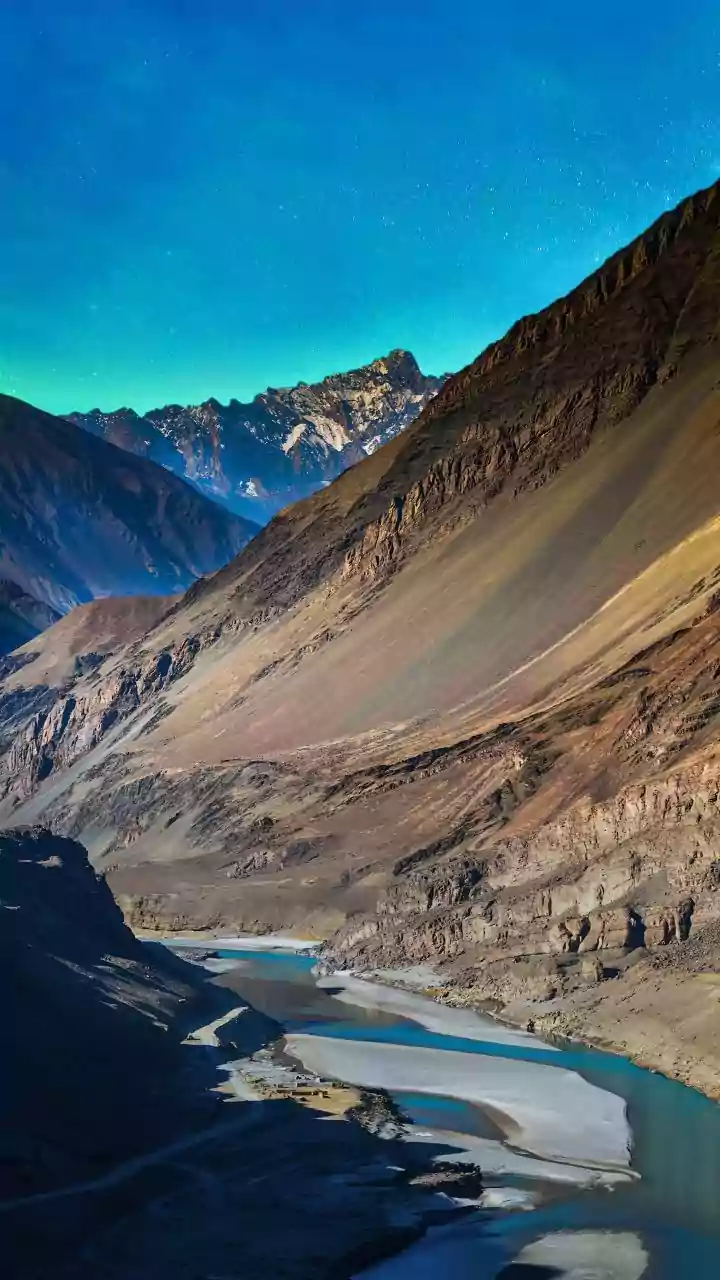
A 'dark sky spot' is more than just a remote area; many are officially certified locations recognised for their exceptional starry nights. Organisations like DarkSky International (formerly the International Dark-Sky Association) certify places as Parks, Reserves, or Sanctuaries based on the quality of their night sky and their commitment to preserving it through responsible lighting policies. These destinations work to minimise light pollution to protect not only the view but also nocturnal ecosystems. India is proudly home to its own designated sanctuary, the Hanle Dark Sky Reserve in Ladakh. Situated in the cold desert of the Changthang plateau, Hanle provides some of the clearest and darkest skies on the planet, making it a prime destination for this growing travel niche.
A Journey for Wellness and Wonder
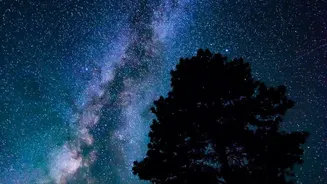
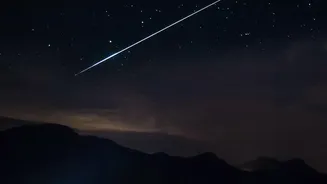
The motivation for booking a trip to a dark sky location goes far beyond astronomy. It is deeply connected to a search for wellness and a different kind of luxury—one of silence, space, and perspective. Stargazing is an inherently meditative experience that has been shown to reduce stress and foster a profound sense of awe. Standing under a sky glittering with thousands of stars and the visible arc of the Milky Way can be a deeply moving experience, putting daily worries into a grander cosmic context. It is also the ultimate digital detox. In these remote locations, the focus shifts from screens to the sky, offering a rare chance to disconnect from technology and reconnect with the natural world, our history, and ourselves.
The Astrotourism Experience in India
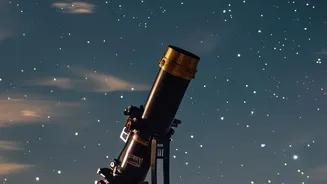
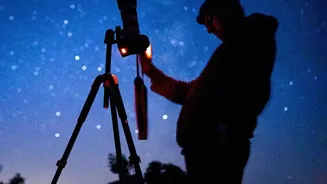
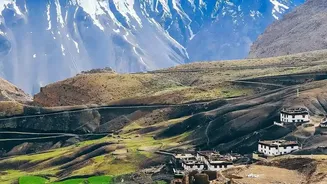
The rise of astrotourism in India is undeniable, with visitor numbers to places like Hanle surging since its designation. These trips are becoming increasingly accessible, with local communities and companies offering curated experiences. In Hanle, local villagers are trained as astronomy guides, using telescopes to show visitors celestial objects while providing sustainable development for the region. The experience is not just about passive viewing; many tours include astrophotography workshops, allowing you to capture the beauty you witness. Beyond Ladakh, other regions like Spiti Valley, parts of Rajasthan, and Uttarakhand are also emerging as hubs for stargazers, offering a unique blend of adventure and cosmic exploration.
Planning Your First Star-Gazing Trip
Ready to see the stars as you have never seen them before? A little planning goes a long way. First, check the lunar calendar and aim for a trip during the new moon phase, when the sky is at its darkest. Next, research your destination. While a certified Dark Sky Park is ideal, any location far from city lights will offer a dramatic improvement. Pack warm clothing, as even in warmer climates, the temperature can drop significantly at night. A red-light torch is a must-have, as white light ruins your night vision; red light allows you to see your surroundings without compromising your ability to see faint stars. Finally, while you can simply lie back and enjoy the view, using a stargazing app on your phone (in night mode) can help you identify constellations, planets, and even passing satellites.