






The Undeniable Health Boost
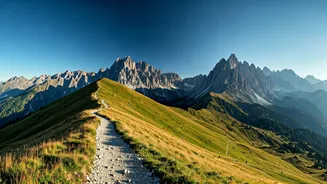
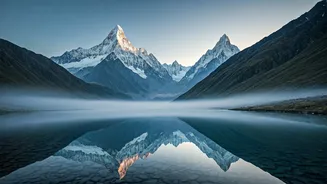
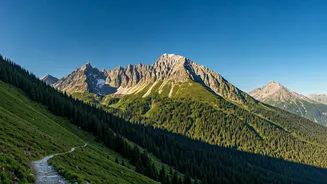
Before even considering the crowds, remember why we’re drawn to the mountains in the first place. The physical and mental health benefits are significant. The crisp, clean air at higher altitudes is a welcome break from city pollution. [6, 11] Studies
and regular travelers alike point to reduced stress, improved breathing, and a calmer mind when surrounded by nature. [8, 14] The simple act of walking on uneven trails improves balance and strengthens muscles, making physical activity feel less like a chore and more like a reward. [8] Even your metabolism gets a slight boost as your body adapts to the lower oxygen levels. [6] This natural reset is a powerful antidote to the pressures of daily urban life, making the journey worthwhile from a wellness perspective alone.
Go Beyond the Obvious Destinations
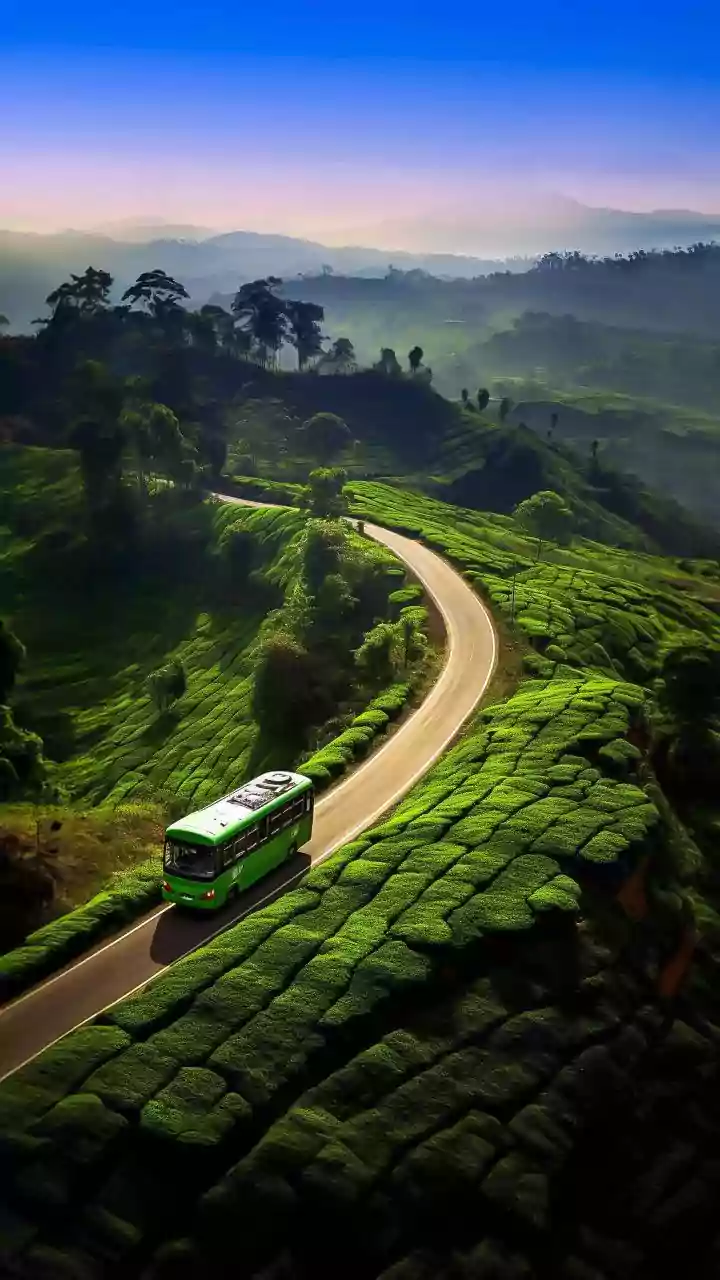
The words 'hill station' often bring to mind a handful of names: Shimla, Manali, Mussoorie. While beautiful, these destinations are often overwhelmed during peak season, leading to traffic jams and packed streets. [19, 22] The key is to look beyond them. India is blessed with countless lesser-known mountain towns that offer the same cool air and stunning views without the chaotic crowds. [5] Consider places like Munsiyari or Chopta in Uttarakhand, often called 'Little Kashmir' and the 'Mini Switzerland of India' respectively. [5, 18] In Himachal, the Tirthan Valley or Jibhi offer serene riverside beauty. [17, 18] In the south, Yercaud provides an alternative to Ooty, while the east offers the tranquil charms of Kalimpong in West Bengal. [5] Choosing an offbeat location is the single most effective way to trade tourist traps for peaceful trails.
Master the Art of Timing
If your heart is set on a popular destination, smart timing can make all the difference. This applies to both the time of year and the time of day. The 'shoulder season'—the weeks just before the peak rush (April, early May) or just after (late June, September)—often provides the perfect balance of pleasant weather and thinner crowds. The period from April to mid-June is often ideal for Himalayan destinations before the monsoon arrives. [7] On a daily level, become an early riser. The most popular viewpoints and nature spots are often quietest in the early morning. While other tourists are still having breakfast, you can enjoy a sunrise view in relative solitude. By the time the crowds swell mid-day, you can be relaxing elsewhere or exploring a less-travelled local trail.
Embrace the Homestay Experience
Your choice of accommodation can radically change your travel experience. While hotels offer standardised comfort, homestays provide a gateway to a more authentic and peaceful trip. [26] Often located away from the crowded central markets, homestays allow you to stay with a local family, offering a unique cultural immersion. [20] Imagine waking up in a charming cottage, eating delicious home-cooked meals, and getting insider tips from your host on hidden gems and quiet spots the average tourist will never find. [16, 23] This not only enriches your travel experience but also ensures your money directly supports the local community. It’s a more sustainable and often more affordable way to travel, turning your accommodation into a memorable part of the journey itself. [24]
Explore the Periphery
Even in the most crowded hill stations, peace can be found just a short distance from the main tourist drag. The majority of visitors tend to stick to the central Mall Road, the main lake, or the most famous viewpoint. This is your opportunity to explore the periphery. Rent a scooter or hire a local taxi and venture out to smaller, surrounding villages. Ask locals about their favourite tea stall or a nearby trail that isn't in the guidebooks. Places like Kothi near Manali or Fagu near Shimla offer a quieter atmosphere while still being accessible. [29] Often, the most memorable parts of a mountain trip aren't the famous sights, but the quiet moments discovered on a village walk or a spontaneous detour away from the crowds.