


A Perfect Storm for Tourism
Japan is experiencing an unprecedented tourism boom. A confluence of factors, including a significantly weaker yen that makes travel more affordable for international visitors, has led to a surge in arrivals. Visitor numbers in 2025 and 2026 have surpassed
pre-pandemic records, with projections continuing to climb. This influx is amplified by social media, which funnels millions to the same photogenic locations, and a pent-up demand for travel after years of restrictions. While great for the economy, this has put noticeable strain on the most famous destinations. The result is that a majority of tourists are concentrated in a handful of prefectures, primarily Tokyo, Kyoto, and Osaka.
The Usual Suspects: Where Crowds Gather
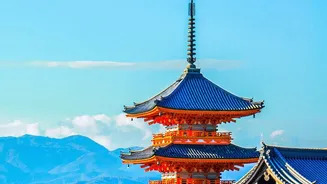
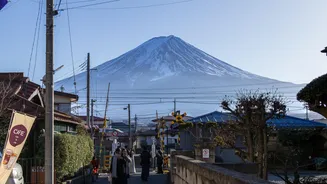
The feeling of being 'over-touristed' is most acute at a few key hotspots. In Kyoto, the torii gates of Fushimi Inari Shrine, the Arashiyama Bamboo Grove, and the narrow streets leading to Kiyomizu-dera Temple are often packed from mid-morning to late afternoon. In Tokyo, the iconic Shibuya Crossing, the markets around Senso-ji Temple in Asakusa, and the Tsukiji Outer Market can feel overwhelmingly busy. Other famous sites like Dotonbori in Osaka and certain viewpoints for Mount Fuji also experience intense visitor pressure, especially during peak seasons like the cherry blossom bloom in spring and the autumn foliage viewing period.
Timing Is Everything
One of the most effective strategies for dodging the masses has nothing to do with where you go, but when. Visiting iconic sites during unconventional hours can completely change the experience. Many shrines and temples, like Fushimi Inari and Tokyo's Meiji Jingu, are open at sunrise. Arriving between 6 a.m. and 8 a.m. often means you’ll share the space with a few dedicated photographers and locals instead of thousands of tourists. Similarly, late afternoons and evenings are often quieter. Beyond daily timing, consider the time of year. Peak seasons like cherry blossom time and Golden Week (late April to early May) are famously busy. Travelling in shoulder seasons like late autumn, winter, or early spring before the main bloom can offer pleasant weather with far fewer people.
Explore Beyond the 'Golden Route'
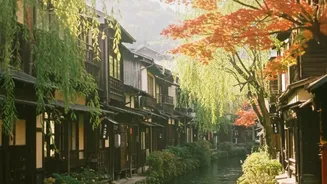
While the 'Golden Route' of Tokyo-Kyoto-Osaka is popular for a reason, Japan's exceptional train network makes it easy to explore beyond these hubs. The country is full of remarkable alternatives that offer similar beauty and culture without the crowds. Instead of Kyoto, consider Kanazawa, known as 'Little Kyoto' for its preserved geisha districts and beautiful gardens. For stunning natural landscapes, the Tohoku region in the north and the island of Shikoku offer mountains, gorges, and a more rugged, authentic feel. Secondary cities like Fukuoka and Sapporo provide vibrant food scenes and unique cultural experiences with more breathing room. Even within major cities, you can find peace by visiting lesser-known gardens or exploring residential neighbourhoods just a few blocks from a major attraction.
Smarter Travel Habits
A few small adjustments can make a big difference. Instead of relying solely on overloaded city buses in Kyoto, consider hiring a taxi for a few hours to cover key sites more efficiently. Staying in accommodations outside the most intense tourist centres, like a quieter neighbourhood in Tokyo or a smaller town near Kyoto, can provide a more relaxing base. Booking transportation, especially long-distance trains, well in advance is crucial. Finally, embrace the art of wandering. Walking just ten minutes away from a major temple's entrance can lead to quiet local restaurants and shops that provide a more genuine taste of Japanese life.