



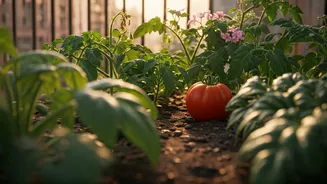


A Green Escape from Digital Fatigue
In an age dominated by digital deadlines and endless scrolling, a growing number of young people are seeking tangible, grounding experiences. Gardening offers a powerful antidote to burnout. The simple, repetitive acts of preparing soil, planting seeds,
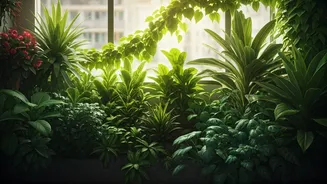
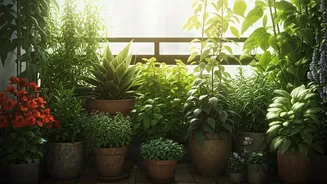
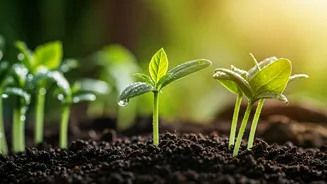
and watering plants provide a meditative escape. It’s a hobby that demands presence and patience, forcing a slowdown from the frantic pace of modern life. This isn't just about growing plants; it's about cultivating mindfulness. Experts point to the mental health benefits, noting that interaction with soil and nature can reduce stress and anxiety. For many, seeing a seed sprout into a thriving plant offers a profound sense of accomplishment and control that can be missing from the abstract world of work or academics. This shift is also fuelled by social media, where aesthetically pleasing 'urban jungles' and 'balcony gardens' have become a new form of creative expression, inspiring others to start their own green journey.
Why the Monsoon is Prime Time
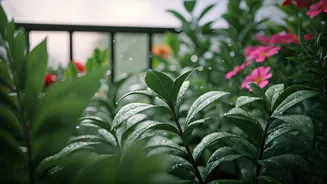
The Indian monsoon is a season of rejuvenation, and it’s the perfect time for aspiring gardeners to begin. The consistent rain provides natural irrigation, reducing the daily chore of watering. The overcast skies and lower temperatures protect delicate saplings from the harsh sun, giving them a better chance to establish strong roots. The air is thick with humidity, which many tropical plants and vegetables absolutely love. This forgiving climate makes the monsoon an ideal season for beginners, as plants are more likely to thrive with less intensive care. It’s nature’s built-in support system for your new gardening habit. This seasonal advantage turns what might seem like a daunting task into an accessible and rewarding experience, dramatically increasing the chances of a successful first harvest of flowers or food.
Your Beginner's Monsoon Plant Guide
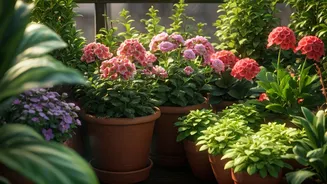
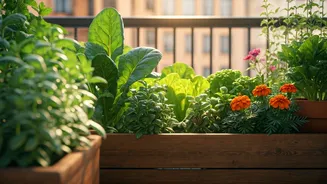
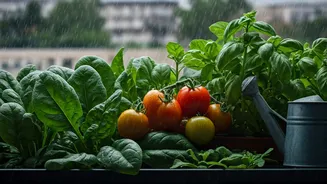
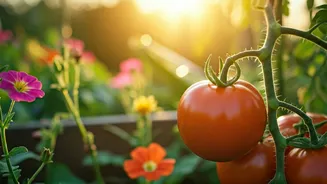
Not sure what to plant? The monsoon is generous to a wide variety of flora. For vibrant colour, consider flowers like marigolds (genda), balsam, and zinnias. They are famously low-maintenance and bloom profusely in the moist weather, adding a cheerful splash to any space. If you're interested in growing your own food, this is the perfect season to start. Leafy greens like spinach (palak) and amaranth (chaulai) grow quickly. Vegetables like okra (bhindi), cucumbers, and various types of gourds thrive in the rain. For those with limited space, a few pots of herbs like mint (pudina) and holy basil (tulsi) are excellent choices. They require minimal room, grow easily, and offer the immense satisfaction of adding fresh, homegrown flavour to your meals and beverages. Start with just one or two types to avoid feeling overwhelmed.
Getting Started: Soil, Pots, and Seeds
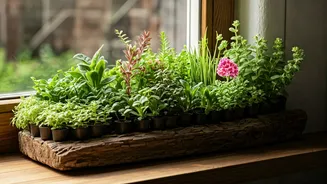
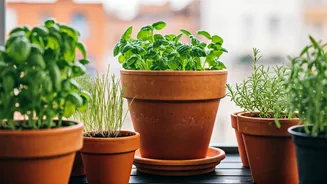
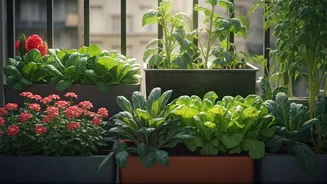
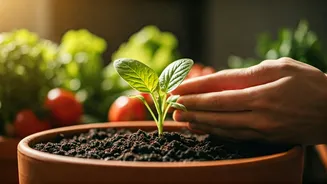
You don’t need a sprawling lawn to start. A small balcony, a windowsill, or even a modest terrace is enough. Begin by sourcing your essentials: pots, soil, and seeds. Terracotta pots are a great, breathable option, but even recycled plastic containers will work as long as they have drainage holes at the bottom. A good potting mix—a combination of soil, cocopeat, and compost—is crucial for healthy plants and is readily available at local nurseries. When selecting seeds, look for varieties that are well-suited to your local climate and the monsoon season. Most seed packets will provide this information. The initial setup is simple and affordable, making it an accessible hobby for students and young professionals alike. Don’t be afraid to ask for advice at your local nursery; the staff are often a treasure trove of practical, local knowledge.
More Than Just a Pretty Plant
The trend of monsoon gardening is about more than just aesthetics or a new hobby. It represents a deeper connection to sustainability and the environment. By growing their own food, even on a small scale, young people are gaining a firsthand understanding of where their food comes from. It fosters an appreciation for natural cycles and the effort involved in agriculture. This hands-on experience is a powerful educational tool, teaching lessons about patience, nurturing, and the realities of the food system. Furthermore, it builds community. Online forums and social media groups dedicated to urban gardening in India are buzzing with activity, where members share tips, celebrate successes, and troubleshoot problems together. This digital-to-dirt movement is creating a new generation that is more mindful, resourceful, and connected to the natural world.