
The 1920s Bob: Sleek and Sharp
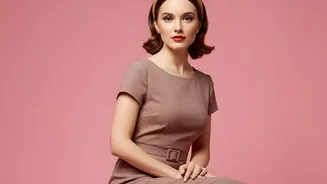
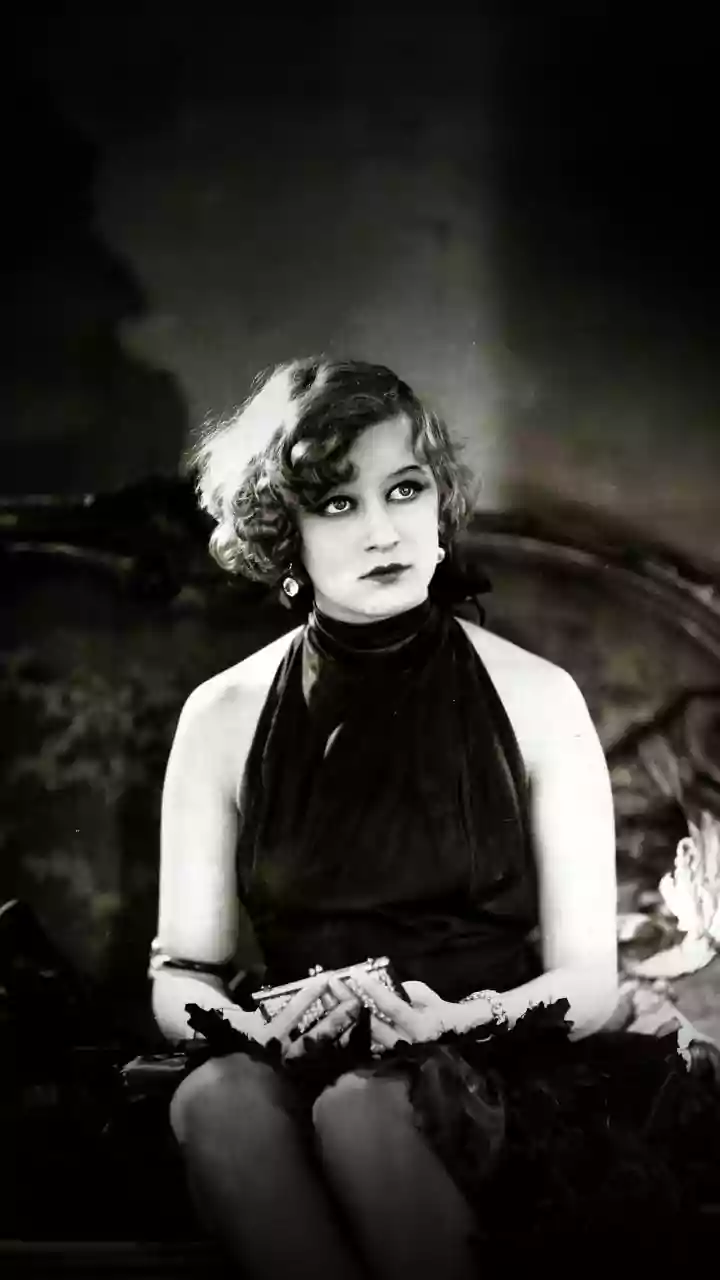
The bob was a symbol of rebellion and liberation in the 1920s, defined by its sharp, chin-length lines made famous by icons like Louise Brooks. This haircut was a radical departure from the long, pinned-up styles of previous eras, representing a new,
modern woman. Originally worn straight and sleek to fit under cloche hats, it was a statement of independence. The modern version of the bob retains its classic structure but plays with texture and softness. Today’s take might be a blunt, boxy bob that feels effortlessly chic, a wavy bob with a deep side part for a touch of glamour, or a slightly shorter 'French bob' that has a softer, more lived-in feel. The key is versatility; it’s no longer about a single, rigid look but about adapting the classic shape to fit your personal style.
The 1940s Victory Roll: Polished and Sculptural
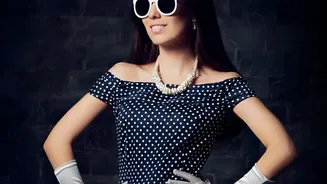
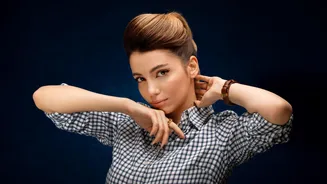
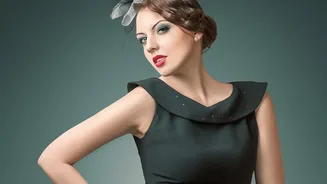
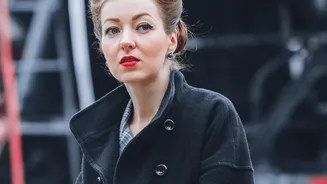
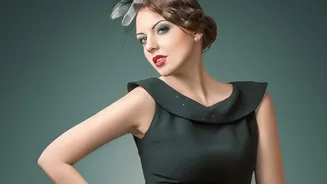
Victory rolls are one of the most recognizable hairstyles of the 1940s, known for their distinctive, sausage-shaped curls pinned at the top or sides of the head. Popularized by Hollywood stars, this look was also practical, keeping hair safely away from machinery as women entered the workforce during WWII. To create them, sections of hair are teased, rolled inwards toward the scalp, and pinned securely. While a full set of victory rolls can feel like a costume today, the modern approach is to borrow elements of the style. Try a single, soft roll at the front to frame the face, paired with loose waves for a more relaxed finish. This gives a nod to vintage glamour without the commitment of a full historical reproduction, making it elegant and wearable for a special event.
The 1960s Bouffant: All About Volume
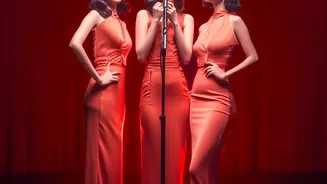
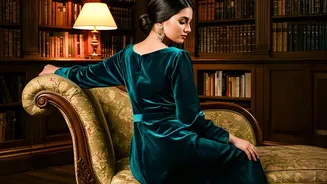
The 1960s were the era of 'big hair', with the bouffant and its taller cousin, the beehive, leading the charge. Popularized by figures like First Lady Jacqueline Kennedy and music groups like The Ronettes, this style was all about creating a rounded, lifted shape at the crown through teasing and a generous amount of hairspray. The modern interpretation captures this spirit of volume in a much softer, more relaxed way. The polished half-up, half-down style is a direct descendant, featuring a gently lifted crown that is pinned back while the rest of the hair is left loose and flowing. This creates an elegant silhouette that frames the face beautifully but feels touchable and fluid, not stiff, making it a perfect blend of retro structure and modern ease.
The 1970s Shag: Textured and Effortless
The 1970s were defined by a freer, more natural aesthetic, and the shag haircut was the perfect embodiment of this spirit. Made iconic by stars like Farrah Fawcett, the style is built on choppy, textured layers and face-framing curtain bangs. It’s a look that exudes a carefree, rock-and-roll vibe. The shag has made a huge comeback, with modern versions like the 'wolf cut' becoming incredibly popular. Today’s shag is often softer and more blended, with wispy layers that create movement and volume. It’s celebrated for being incredibly low-maintenance, as it's designed to enhance your natural texture, whether your hair is straight, wavy, or curly. A little mousse or sea salt spray is all you need to bring out its effortlessly cool look.
The 1990s Revival: Sleek and Playful
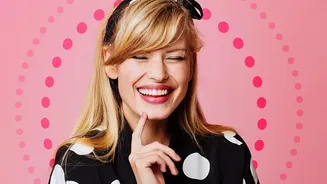
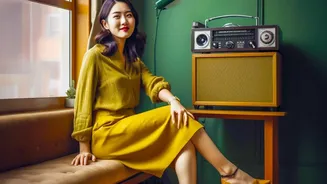
The 90s offered a diverse range of styles, from the ultra-glam 'supermodel blowout' to the iconic layered 'Rachel' cut. These looks are back in a big way, but with subtle updates. The bouncy blowout, for example, is still about volume and shine, but with a softer, less 'done' feel. The modern 'Rachel' is less about choppy layers and more about longer, face-framing pieces that create a floaty, wearable shape. Another 90s trend making a return is the flipped-out bob, which is now styled with a softer, more playful bend at the ends rather than a stiff, rigid flip. And of course, 90s accessories like claw clips and scrunchies are back, offering an easy way to add a nostalgic touch to any hairstyle.