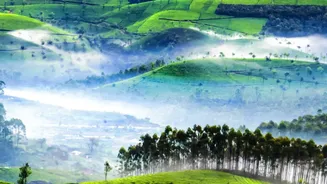




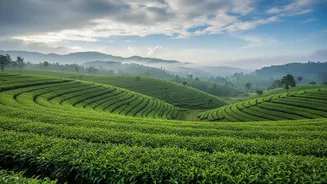

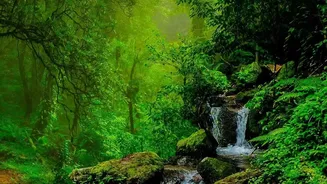
Embrace the Green Ocean of the Tea Gardens
The phrase ‘Assam tea’ conjures images of a comforting brew, but to truly understand its origin, you must see the gardens drenched in monsoon rain. During this season, the tea plantations in areas like Jorhat and Dibrugarh are at their most vibrant, a rolling
ocean of the most intense green imaginable. For the eco-conscious traveller, this is a chance to bypass commercial hotels and stay in a heritage tea bungalow or a community-run homestay. Waking up to mist-laden estates, sipping freshly brewed tea while listening to the rhythm of the rain, and learning about sustainable tea cultivation from local communities is an experience that grounds you in the landscape. This is slow travel at its finest, offering a sensory immersion that a dry-season visit simply cannot match. It’s a quiet, contemplative experience focused on nature’s rejuvenation.
Find Serenity on a Swelling Majuli Island
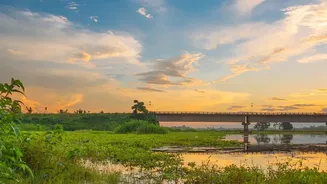
Majuli, the world’s largest river island, becomes a world of its own during the monsoon. As the mighty Brahmaputra River swells, the island’s connection to the mainland becomes more deliberate, encouraging visitors to slow down and embrace the isolation. The rains wash the island clean, leaving behind a verdant landscape and filling the air with a fresh, earthy scent. This is the perfect time to explore the island’s unique Vaishnavite Satras (monasteries) on a bicycle, engaging with a culture that has existed in harmony with the river for centuries. While the monsoon brings the risk of floods, it also showcases the incredible resilience and adaptation of the Mishing tribe and other local communities. Staying in a traditional bamboo stilt house offers an authentic, low-impact way to witness life on the river and appreciate the deep connection between the people and their environment.
Chase the Clouds in Haflong
Known as the 'Switzerland of the East', Haflong is Assam’s only hill station and a perfect monsoon retreat. When the rains arrive, the town and its surrounding hills are perpetually draped in mist and clouds, creating a mysterious and ethereal atmosphere. The landscape, already beautiful, becomes dramatically alive with gushing waterfalls and lush foliage. For travellers seeking respite from the heat of the plains, Haflong offers cool, pleasant weather and stunning panoramic views of the valleys below. It’s an ideal destination for those who enjoy trekking and hiking, with rain-washed trails leading to hidden viewpoints and tranquil lakes. The monsoon season here is less about sightseeing and more about experiencing the weather itself—watching the clouds roll in, feeling the cool spray of a waterfall, and enjoying the profound quiet that descends with the fog.
Witness a Monsoon Wildlife Spectacle
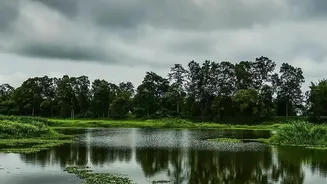
While many assume wildlife parks shut down during the monsoon, Assam offers unique opportunities for the intrepid eco-traveller. While the main Kaziranga National Park is largely closed due to flooding, the nearby Pobitora Wildlife Sanctuary often remains accessible and provides an exceptional monsoon wildlife experience. Known for having one of the highest densities of the one-horned rhinoceros, Pobitora’s wetlands are rejuvenated by the rain, attracting a rich variety of birdlife and making the landscape incredibly vibrant. A jeep safari through the rain-soaked grasslands offers a chance to see rhinos grazing against a backdrop of stormy skies—a dramatic and unforgettable sight. Similarly, parts of Manas National Park, a UNESCO World Heritage site, can be explored to see how the ecosystem thrives with the seasonal rains. This is wildlife tourism for the true enthusiast, offering a glimpse into the powerful cycles of nature.