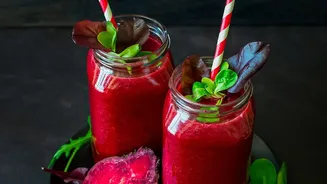



We all want to build healthy habits, but the daily grind of washing, chopping, and blending can turn a wellness goal into a chore. Enter amla beetroot cubes: a simple hack that promises nutrition without the daily prep. But is it worth it?
A Nutrient-Rich Powerhouse
Amla, or Indian
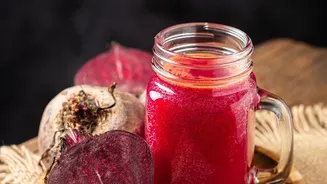
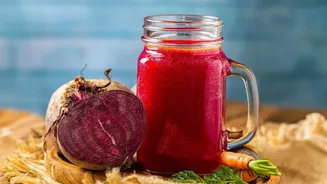
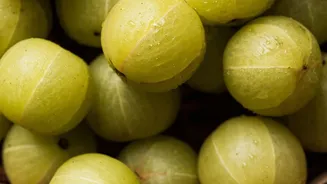
gooseberry, and beetroot are a celebrated duo in traditional Indian wellness for good reason. Amla is one of the most potent known sources of Vitamin C, an essential antioxidant that supports the immune system and skin health. It also provides minerals like iron and calcium. Beetroot is packed with folate, potassium, and beneficial nitrates that can improve blood flow and heart health. Together, they create a formidable blend that supports everything from liver detoxification to fighting inflammation and boosting stamina.
The Daily Blending Dilemma
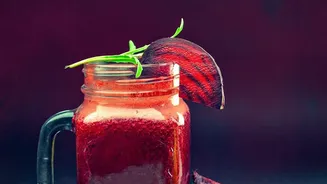
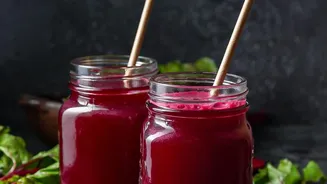
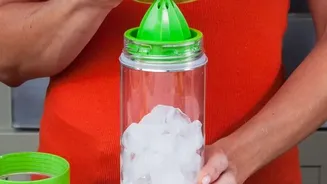
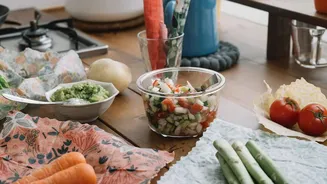
The intention to drink a fresh glass of amla-beetroot juice every morning is a noble one. The reality, however, involves a daily commitment to sourcing fresh produce, peeling, chopping, operating a noisy blender, and then facing the inevitable cleanup. For many, this routine quickly becomes unsustainable amidst busy schedules, turning a healthy aspiration into a source of stress. This is where the appeal of a quicker, more convenient method comes into play, one that doesn't require starting from scratch every single day.
A Simple and Convenient Solution
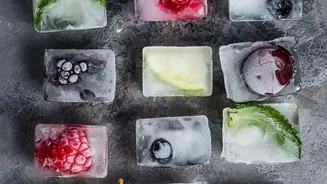
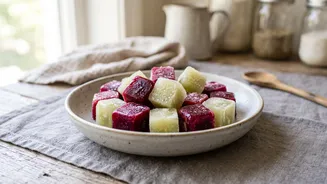
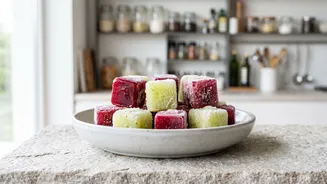
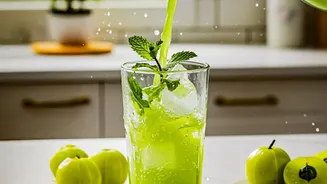
Amla beetroot cubes are a meal-prep solution for your daily juice. The concept is straightforward: instead of blending a single serving each day, you prepare a large batch of the juice, pour it into ice cube trays, and freeze it. Each morning, you can simply pop one or two cubes into a glass of water, a smoothie, or even a bowl of yogurt. This method drastically cuts down on daily prep and cleaning time, transforming a 15-minute task into a 30-second convenience. It allows you to lock in the benefits without the daily labour, making the habit easier to stick with.
How To Make Your Own Cubes
Creating your own amla beetroot cubes is simple. You'll need one medium beetroot (peeled and chopped), two fresh amlas (pitted), and about a cup of water. For extra flavour and benefits, you can add half an inch of fresh ginger or a few mint leaves. Place all the solid ingredients into a blender, add water, and blend until completely smooth. If you prefer a less pulpy texture, you can strain the mixture through a sieve. Pour the finished juice into standard ice cube trays and freeze until solid. Once frozen, transfer the cubes to a freezer-safe bag for easy storage. They can be stored for several months.
Fresh vs. Frozen: What Does The Science Say?
A common concern is whether frozen produce loses its nutritional value. Surprisingly, research suggests that frozen fruits and vegetables are often just as nutritious, if not more so, than fresh alternatives found in a supermarket. Produce destined for freezing is typically picked at its peak ripeness and flash-frozen within hours, a process that locks in vitamins and minerals. In contrast, 'fresh' produce may be picked before it's fully ripe and can lose nutrients during long transportation and storage periods. While the blanching process for some vegetables can reduce water-soluble vitamins like Vitamin C and B, fruits like amla are often not blanched, preserving their nutrient profile effectively. The bottom line is that consuming frozen produce is a highly nutritious and viable alternative to fresh, especially when convenience is a factor.