






Beyond Pigeons and Crows
When you think of wildlife in Indian cities, crows, pigeons, and street dogs likely come to mind. But look a little closer, and a far more diverse and surprising ecosystem reveals itself. In the heart of Mumbai, one of the world's most densely populated
cities, a thriving population of leopards roams Sanjay Gandhi National Park. A 2024 survey documented at least 54 individual leopards, a testament to the resilience of nature. These big cats have adapted to their urban surroundings, with studies noting that stray dogs make up a significant portion of their diet. Meanwhile, in Delhi's green pockets and Bengaluru's gardens, one might spot the elusive slender loris or hear the call of a golden jackal at night. These are not isolated incidents but signs of a broader trend: as cities expand, they are also becoming accidental habitats for a remarkable variety of species.
A Dose of Wild for the Mind
These encounters do more than just surprise us; they have a profound and positive impact on our mental well-being. Studies have consistently shown that spending time in nature, even in urban parks, can significantly reduce stress, anxiety, and depression. Observing wildlife, whether it's watching birds from a balcony or spotting a squirrel in a park, fosters a state of mindfulness and connection that can lower blood pressure and cortisol levels. This phenomenon, sometimes called biophilia, is our innate tendency to seek connections with nature. In the high-stress environment of a city, these small doses of wildness act as a crucial psychological buffer, enhancing feelings of vitality and reducing the mental fatigue of urban life. Some studies suggest that even a brief 15-minute exposure to a green space can improve mood and concentration.
The Accidental Ecosystem
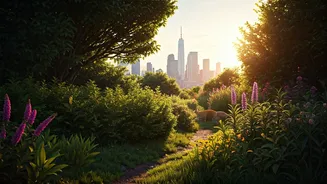
How is it that these animals are thriving amidst the urban sprawl? The answer lies in adaptation and opportunity. Many species have become incredibly adept at navigating human-modified landscapes. Black kites, for instance, have become expert scavengers, helping to clean organic waste in cities like Bengaluru. Parks, university campuses, railway corridors, and even our own gardens become crucial refugia and corridors for wildlife. While rampant urbanisation fragments natural habitats, it also creates new niches. Animals like bonnet macaques in Mumbai or various bird species find food and shelter in these novel ecosystems. This doesn't mean it's an ideal situation, but it highlights the tenacity of wildlife and the potential for cities to be more than just human spaces.
Living with Our Wild Neighbours
Of course, sharing space with wildlife, especially large carnivores like leopards, is not without challenges. The key, according to conservationists, is not conflict but coexistence. Fear-driven responses often make situations worse. Instead, successful management relies on scientific research and community engagement. Organisations across India are working to educate residents on how to live alongside wildlife safely, reducing negative interactions and fostering a sense of shared space. This involves understanding animal behaviour, securing waste to avoid attracting animals, and having clear protocols for when conflicts do arise. In Mumbai, collaborative efforts between the Forest Department, researchers, and local communities have helped manage human-leopard interactions, turning the city into a global case study for urban conservation.
Becoming a Citizen Naturalist
The rise of urban wildlife also presents a wonderful opportunity for residents to get involved. Citizen science initiatives are flourishing across India, allowing anyone with a smartphone and a bit of curiosity to contribute to our understanding of urban biodiversity. Projects like 'Citizen Sparrow' have helped quantify the decline of house sparrows, while 'SeasonWatch' tracks the seasonal cycles of trees. Apps and online portals like the India Biodiversity Portal allow people to report sightings of everything from butterflies to snakes, providing valuable data for scientists and conservationists. Engaging in these activities not only helps conservation efforts but also deepens our own appreciation for the complex natural world that exists right outside our doors, making us active participants in the life of our city.