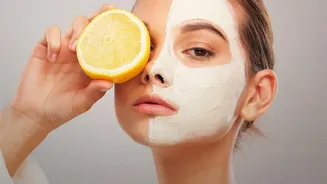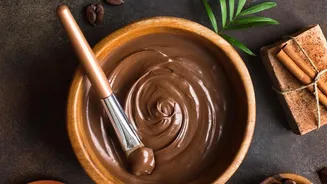




The idea of smoothing a rich, decadent chocolate mask onto your face feels like the ultimate self-care treat. But beyond the luxurious experience, brands claim these masks deliver flawless, glowing skin. Is there truth to the hype?
The Sweet Promise of Chocolate Skincare
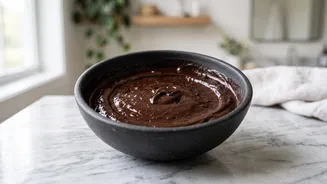
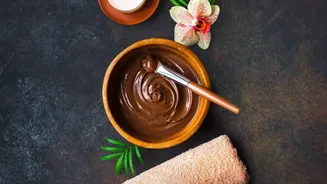
Chocolate face masks
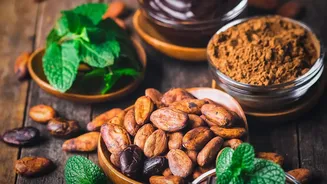
are often marketed as a powerhouse of skin benefits. The labels promise everything from deep hydration and improved skin elasticity to protection from sun damage and a brighter, more even complexion. The hero ingredient is, of course, cocoa, which is packed with antioxidants like flavonoids and polyphenols. These compounds are known to fight free radicals, which are unstable molecules that can cause cell damage and lead to premature aging. The claims sound fantastic—who wouldn't want to fight wrinkles with a product that smells like dessert? The logic seems simple: chocolate is good for you, so it must be good for your skin.
The Real Science of Cocoa
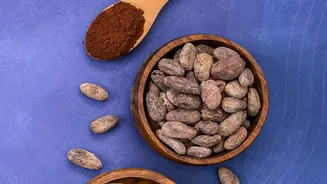
There is scientific truth to the power of cocoa. Dark chocolate, in particular, is rich in antioxidants. Studies have confirmed that the flavanols in cocoa can help protect the skin from UV damage, improve blood flow, and increase hydration when consumed. Some research even suggests that cocoa extracts can help manage symptoms of certain skin conditions by reducing inflammation. The antioxidant capacity of cocoa is potent, with some studies finding it has more than green or black tea. So, the core ingredient does have legitimate, science-backed benefits. The real question is whether slathering it on your face is the best way to get them.
Skin Deep? The Absorption Problem
Here's where the claims begin to get misleading. Your skin is a formidable barrier designed to keep things out. While some studies show that antioxidants from cocoa powder can be detected in the top layer of skin after topical application, getting them deep enough to make a significant structural difference is a major challenge. One dermatologist noted that while the benefits of eating bananas for your skin are clear, the nutrients simply can't penetrate the skin deeply enough when applied in a mask to make a visible difference. The same principle applies to many DIY or natural ingredients. While a mask might offer temporary surface-level hydration or a fleeting glow, the powerful antioxidants in cocoa are far more effective when consumed, allowing them to work from the inside out.
The Hidden Downsides: Sugar and Breakouts
Many chocolate mask recipes, especially homemade ones, include ingredients beyond pure cocoa powder. Commercial products and DIY concoctions often contain sugar, milk, and other additives. For those with acne-prone or oily skin, this can be a recipe for disaster. Sugar, when applied topically or consumed, can fuel inflammation and potentially worsen breakouts. The process of glycation, where sugar molecules attach to proteins like collagen, actively breaks down the skin's structure, leading to wrinkles and sagging. While some dermatologists suggest mixing cocoa with ingredients like multani mitti for oily skin, it's crucial to be mindful of what else is in your mask. 'Natural' doesn't always mean safe or suitable for every skin type, and a patch test is always recommended.
A Fun Treat, Not a Flawless Fix
Ultimately, a chocolate face mask is best viewed as a sensory treat rather than a transformative skincare solution. The experience can be relaxing and may offer some minimal, temporary benefits like gentle exfoliation or a brief feeling of hydration from ingredients like cocoa butter. However, the promise of 'flawless skin' is an overstatement. The most potent benefits of cocoa's antioxidants are realized through diet, and for topical antioxidant protection, you are better off using professionally formulated serums with proven delivery systems containing ingredients like Vitamin C. Dermatologists generally agree that while DIY masks can be a fun and relaxing activity, they are unlikely to produce serious, lasting results compared to professional treatments and evidencebased skincare products.