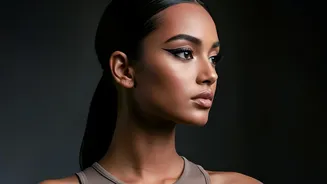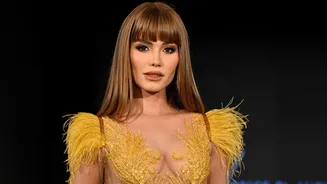

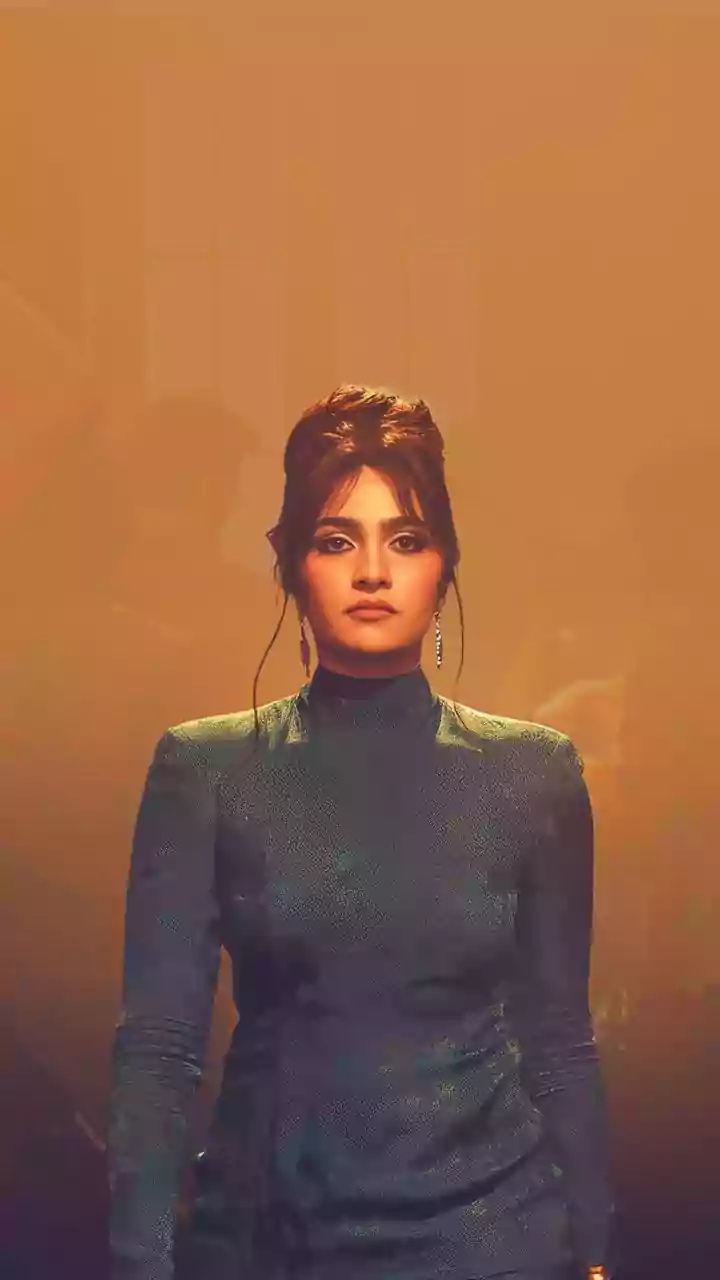
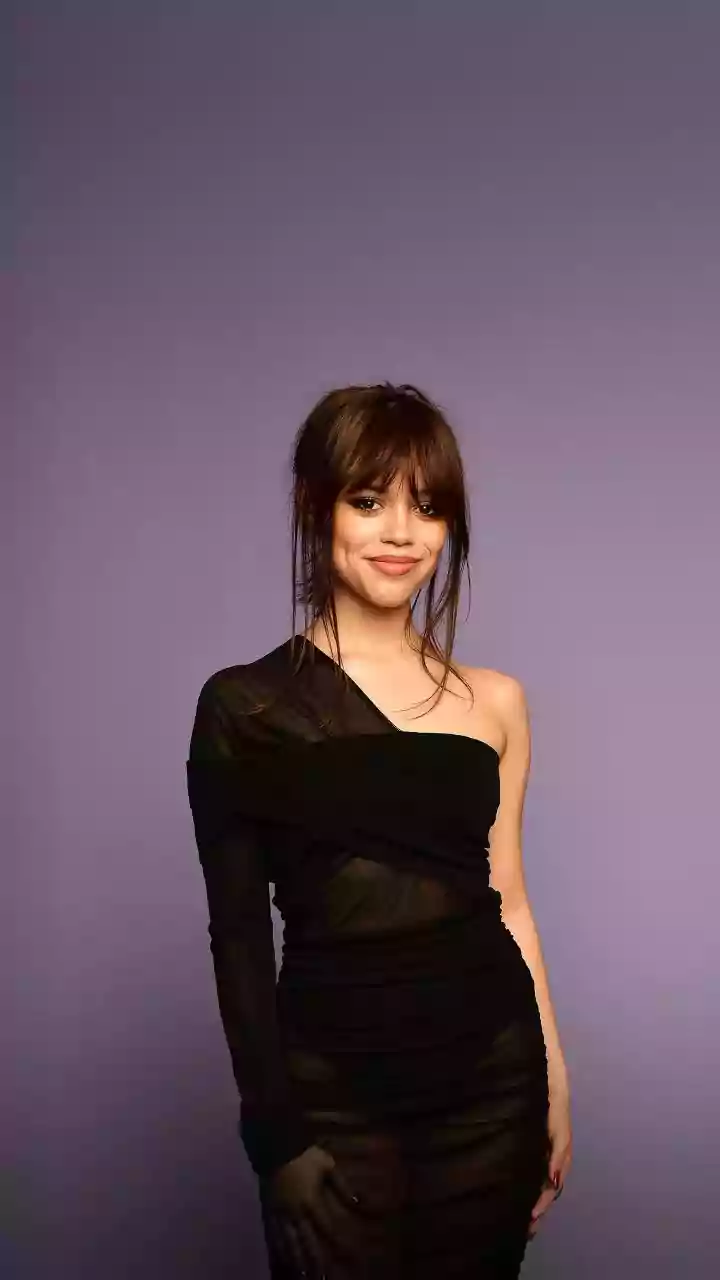
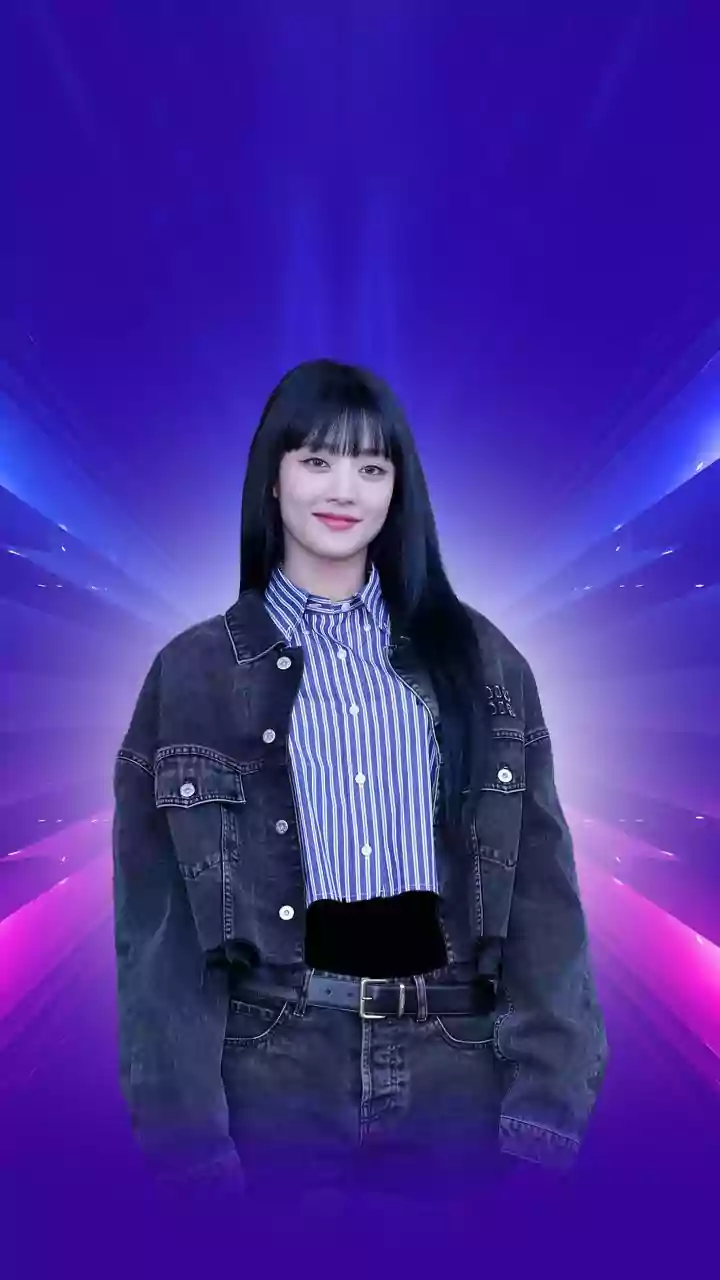


What Are Feather-Light Ends?
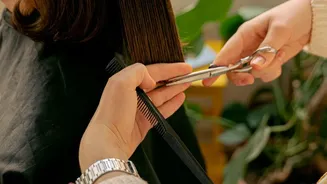
The term 'feather-light ends' refers to a haircutting technique where the very tips of the hair are texturized to be soft, wispy, and light. Unlike a blunt cut, which creates a solid, heavy line, feathering involves cutting into the ends at an angle to remove
bulk and create a tapered effect. Stylists often use methods like point cutting (snipping vertically into the ends), slide cutting (gliding shears down the hair shaft), or a feather razor to achieve this look. The goal is to create a delicate, airy finish that allows the hair to have natural movement and avoids any harsh edges, making it look like the soft edge of a feather.
The Magic of Blending
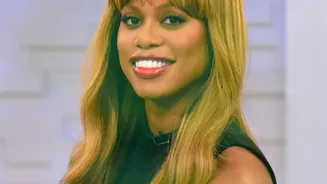
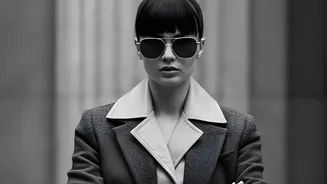
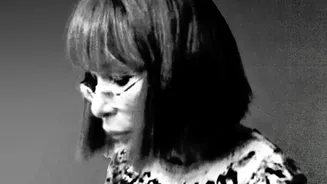
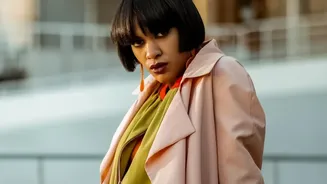
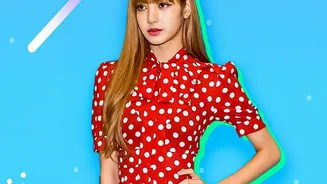
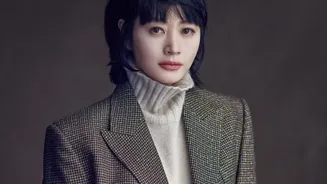
When you pair feathered ends with layered bangs—like curtain bangs or a wispy fringe—you get a seamless transition. Layered bangs are already designed to be varied in length, often shorter in the middle and gradually getting longer toward the sides. Adding feathered ends to these layers enhances that gradient effect. The soft tips of the bangs merge flawlessly with the longer, face-framing pieces of your hair, eliminating the disconnected 'shelf' that can sometimes happen with heavier bangs. This technique is the key to achieving that coveted, grown-out-but-on-purpose look that feels both effortless and polished. It’s a soft, lived-in style rather than a severe, geometric one.
Is This Style Right For You?
This technique is incredibly versatile and flatters many hair types and face shapes. For those with thick hair, feathering is a brilliant way to remove excess weight and bulk, allowing the bangs to lay beautifully instead of puffing out. If you have fine hair, a lighter approach to feathering can add movement and texture without making the ends look sparse. It’s particularly effective for straight and wavy hair, as it enhances the natural flow. For face shapes, the soft, blended nature of these bangs can soften angular features on square faces or add dimension to round faces. Because the style is so soft, it's also a great, lower-commitment way to try bangs for the first time.
How to Ask Your Stylist for the Look
Clear communication is everything. Start by bringing in reference photos and point out what you like about them—use words like 'airy,' 'blended,' and 'soft ends'. Ask for 'layered bangs,' specifying the length you're comfortable with (e.g., hitting at the cheekbone). Then, add that you want the ends to be 'feathered' or 'texturized' so they blend seamlessly into your face-framing layers. You can say, 'I want wispy, layered bangs that don't have a blunt line and connect smoothly to the rest of my hair'. It's also helpful to mention you want them to grow out gracefully. A good stylist will understand that you're aiming for softness and movement over hard lines.
Styling and Maintenance at Home
Maintaining this look is surprisingly low-effort compared to blunt bangs. The key is to enhance the texture, not fight it. When blow-drying, use a round brush to sweep the bangs from side to side before directing them forward; this creates a soft lift at the root and prevents them from parting weirdly. For the sides, turn the brush vertically and dry the hair away from your face to create that signature sweeping effect. A light texturizing spray or dry shampoo can add a bit of grit and volume. To keep the shape, plan for a trim every 4 to 6 weeks, as the soft ends can lose their shape as they grow.