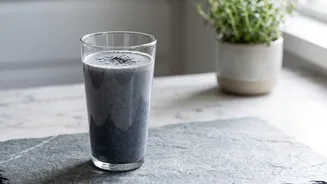








What Is This 'Black Water'?
The drink that has gained popularity, often spotted with celebrities, is commonly known as black alkaline water or fulvic water. Its dark colour isn't from artificial dyes but from the infusion of fulvic acid, a natural compound derived from the decomposition
of plant matter in soil over centuries. Along with fulvic acid, these drinks are typically infused with trace minerals like magnesium, calcium, and potassium, and have an alkaline pH, usually between 8 and 10. This makes it different from regular tap water, which has a neutral pH of around 7, and even standard alkaline water, which is often created through electrolysis and doesn't contain these organic compounds.
The Claims: A Miracle for Skin?
The marketing around black water is compelling. Proponents claim it offers superior hydration, balances the body's pH, and, most appealingly, delivers glowing skin. The logic is that the added minerals and fulvic acid have antioxidant and detoxifying properties. Some studies suggest that fulvic acid’s anti-inflammatory properties may help soothe skin conditions like eczema and reduce redness. It is also believed to help the body absorb nutrients more effectively and fight free radicals, which are unstable molecules that contribute to aging and skin damage. With celebrities and influencers endorsing it, black water has been positioned as a premium functional beverage for those seeking a wellness edge.
The Reality: What Do Experts Say?
While the claims sound promising, the scientific evidence specifically for black water delivering glowing skin is limited and not robust. The key ingredient, fulvic acid, does show potential. Research indicates it has anti-inflammatory, antioxidant, and antimicrobial properties when applied topically. It can help soothe irritated skin and may assist in managing conditions like acne. However, much of this research is on topical applications, not on drinking it. While staying hydrated is crucial for skin health, and alkaline water may offer better hydration, experts emphasize that there is no magic bullet. Many dermatologists agree that while the ingredients aren't necessarily harmful, the most important factor for healthy skin is consistent and adequate hydration with clean, purified water, alkaline or not. The dramatic skin benefits touted by brands are largely unproven in large-scale human studies.
A Word of Caution on 'Detox' Drinks
Some 'black water' or 'detox' drinks are made with activated charcoal instead of fulvic acid. While activated charcoal is used in medical settings to treat poisonings by binding to toxins, consuming it without medical supervision can be risky. The problem is that it is non-selective; it can bind not only to toxins but also to essential nutrients, vitamins, and medications (like birth control), preventing their absorption. Regular consumption could potentially lead to nutrient deficiencies or render medications ineffective. It can also cause side effects like nausea and dehydration. Therefore, it's crucial to know what gives your black water its colour.
Proven Paths to Glowing Skin
While Adah Sharma's fitness is admirable—her routine includes intense practices like Kalaripayattu, Mallakhamb, and drinking neem juice—attributing her skin solely to one drink is an oversimplification. True skin health comes from a holistic approach. This includes a balanced diet rich in fruits, vegetables, and healthy fats; consistent hydration with plain water; a regular skincare routine tailored to your skin type; adequate sleep; and sun protection. While trendy drinks can be a fun addition, they are not a substitute for these foundational pillars of health. The secret to glowing skin is less about finding a miracle product and more about consistent, healthy habits.