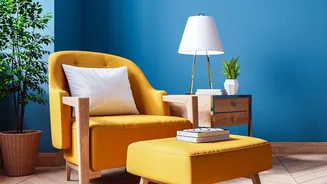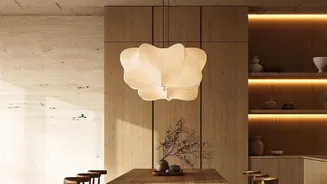




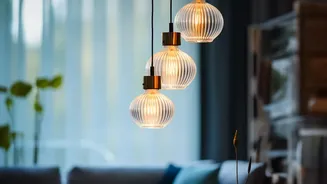
What is Sculptural Lighting?
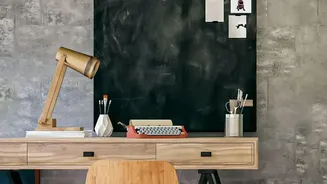
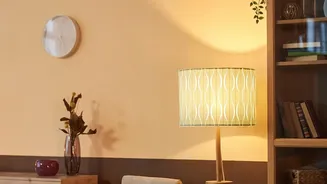
Think of lighting not just as a way to see in the dark, but as functional art. Sculptural lighting refers to any fixture—a chandelier, a floor lamp, a wall sconce—that is designed to be a focal point, demanding attention even when it's switched off. Unlike
standard fixtures that are meant to blend in, these pieces are chosen for their form, material, and presence. They are three-dimensional objects that play with shape, shadow, and scale, turning a simple light source into a conversation starter. The trend in India is a clear move away from purely functional, uniform overhead lighting towards layered, artistic pieces that add character.
An Ideal Match for Modern Indian Homes
This trend is particularly well-suited for the modern Indian context. In cities where many live in apartments, major renovations aren't always possible or practical. Sculptural lighting offers a powerful transformation with minimal commitment. It can anchor an open-plan living area, define a dining space, or make a small entryway feel grand, all without moving a single wall. Furthermore, it taps into a growing desire for homes that reflect personal style. As we move on from cookie-cutter interiors, a unique light fixture becomes an expression of individuality. This approach is rental-friendly and aligns with how many Indian homes are used for multiple purposes, from quiet family time to festive gatherings.
Finding Your Form: Materials and Styles
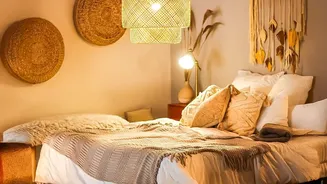
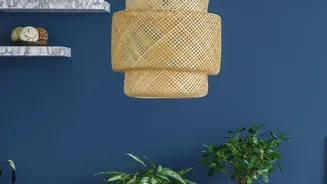
The beauty of this trend lies in its diversity. Today's sculptural lights break free from traditional heavy chandeliers. Look for abstract and geometric forms—interlocking rings, clean lines, and asymmetric shapes—often crafted from lightweight metals in matte black, brushed brass, or copper finishes. There is also a strong movement towards natural and tactile materials. Fixtures made from jute, rattan, bamboo, and even hand-blown glass or sculpted ceramic are gaining popularity. These materials add warmth and texture, fitting beautifully with the earthy palettes common in Indian decor. Other trending materials include stone like travertine and marble, and even soft-textured fabrics like bouclé wrapped around lamp bases.
Placement is Everything
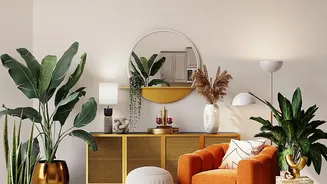
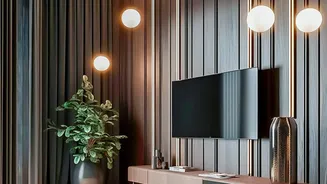
A statement light needs the right stage. The goal is to create a focal point without overwhelming the space. A large, cascading fixture works wonders in a double-height living room or over a grand staircase. Over a dining table, a good rule is to choose a fixture that is about half to two-thirds the width of the table, hung so it doesn't obstruct views. But you don't need a massive space. A striking floor lamp can transform a dull corner into a chic reading nook. Wall sconces, once an afterthought, are now being used as 'luminous wall art', especially beside beds in place of traditional table lamps, adding a touch of hotel-like luxury. The key is to let one piece be the hero and support it with softer, layered lighting from other sources.
Embracing the Glow
Beyond the fixture itself, consider the light it emits. The trend is moving decisively toward warmer light. Cool white light (4000K and above) is now mostly reserved for task-heavy areas like kitchens or home offices. For living rooms and bedrooms, a warm white glow (around 2700K-3000K) is preferred. This warmer tone creates a cosy, inviting atmosphere and is more flattering to both people and decor. Many modern fixtures come with smart, tunable LEDs, allowing you to change the colour temperature from a crisp, energizing light during the day to a soft, relaxing glow in the evening. Always opt for a dimmer switch; it allows your sculptural piece to transition from a functional light source to a moody, atmospheric object.