




Why Your Freezer’s Dial Isn’t Enough
Most freezers come with a temperature dial, often numbered from 1 to 7, but these settings don't correspond to specific degrees. They only regulate how often the compressor runs. Furthermore, this built-in thermostat measures the air temperature, which
can fluctuate wildly every time you open the door. The actual temperature of your food is what matters for safety, and the factory setting may not be sufficient, especially in older models or combination fridge-freezer units. Temperature can also vary in different parts of the freezer. Without an independent thermometer, you’re essentially guessing about the safety and quality of your stored food. An accurate reading is essential to prevent the growth of harmful bacteria like Salmonella or E. coli.
The Gold Standard for Food Safety
For optimal food safety, your freezer must maintain a temperature of 0°F (-18°C) or lower. This is the standard recommended by food safety agencies like the U.S. Food and Drug Administration (FDA). While water freezes at 32°F (0°C), storing food at the much colder 0°F (-18°C) mark is what actually stops the growth of microorganisms that cause spoilage and foodborne illnesses. This temperature also preserves the food's quality—its taste, texture, and nutritional value—for the longest possible time. If food is kept consistently at this temperature, it can remain safe to eat almost indefinitely, although its quality may decline over extended periods.
Choosing and Using Your Thermometer
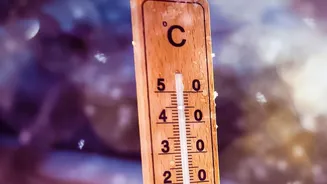
Appliance thermometers are inexpensive and come in several types. Simple analog dial thermometers are easy to read and require no batteries. Digital models offer a precise LCD readout and may include features like a memory function to track temperature fluctuations. For best results, place the thermometer in the center of the freezer, away from the door and not touching any food packages directly. Some experts recommend placing it in a glass of cooking oil to get a stable reading that better reflects the food's temperature rather than the fluctuating air temperature. Allow the thermometer to sit in the closed freezer for at least 12 to 24 hours to get an accurate reading.
What to Do If the Temperature Is Wrong
If your thermometer reads above 0°F (-18°C), don't panic. First, check that the freezer's temperature control dial hasn't been accidentally changed. Try setting it to a colder setting, wait another day, and check again. A common culprit for a warm freezer is a faulty door seal that lets cold air escape. Check the rubber gasket for gaps or cracks and clean it. Also, ensure that air vents inside the freezer aren't blocked by food packages, as this prevents proper circulation. Over-stuffing your freezer can have the same effect. If these simple fixes don't work, and the freezer seems to run constantly without getting colder, it may signal a more serious issue like dirty condenser coils or a failing compressor, which might require professional service.
Beyond Safety: Preventing Food Waste and Saving Money
A freezer thermometer is more than just a safety device; it's a tool for saving money. Food that is improperly frozen can develop freezer burn, spoil, or become unsafe to eat, leading to waste. By ensuring your freezer maintains the correct temperature, you protect your investment in groceries. A malfunctioning freezer that runs too warm or has a poor seal can also work harder than necessary, consuming more electricity and increasing your utility bills. In regions prone to power cuts, a thermometer provides a quick way to verify if the internal temperature has risen into the 'danger zone' where bacteria can multiply. Knowing your freezer is holding its temperature gives you peace of mind that your food remains safe, high-quality, and ready to eat when you need it.